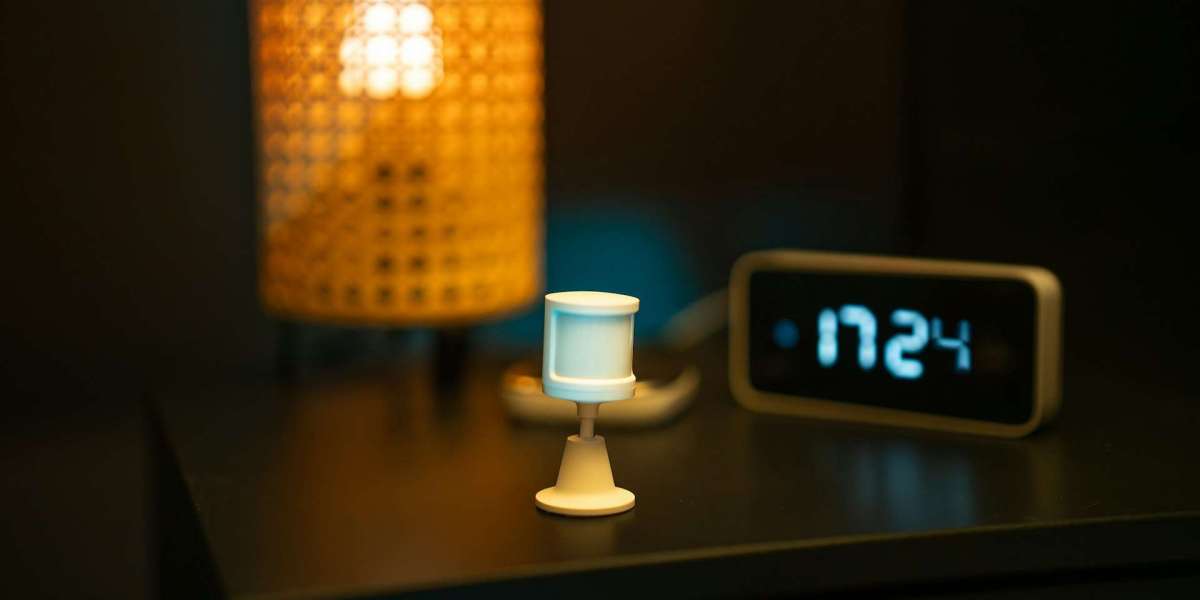
A steady night routine can lower stress, make recovery feel more manageable, and help the mind settle after a rough day. For people dealing with mental health challenges, substance-use recovery, or the strain of supporting someone else, the evening can be the hardest part of the day.
A lot happens at night. The house gets quiet, worries get louder, and old habits can feel closer. A simple plan does not fix everything, but it can make the night safer and less chaotic.
Why Nights Feel Harder
Nighttime can be a trigger zone for several reasons. There are fewer distractions, more room for rumination, and often more tiredness, which makes self-control harder. For people in recovery, that mix can raise the risk of cravings, impulsive choices, and feeling alone with heavy thoughts.
That does not mean nights are doomed. It means the evening needs a little structure, especially after a hard day. A calm plan can support mental wellness without turning life into a strict program.
If the evening feels especially heavy, it can help to think in terms of therapy and support rather than doing everything alone. Support is not a sign of failure. It is one of the most practical tools people have.
What A Safer Night Routine Means
A safer routine is not a perfect one. It is a repeatable set of small actions that lower stress and reduce the chance of sliding into harmful habits. The goal is not to become a different person by bedtime. The goal is to end the day with a little more steadiness than before.
That might mean fewer screens, one glass of water, a short journal entry, or a check-in with a trusted person. It may also mean making the room feel calmer, keeping substances out of reach, or avoiding conversations that stir up conflict late at night.
For readers looking at the bigger picture of behavioral health, this is where the small stuff matters. The little choices made in the last hour of the day can shape sleep, mood, and the next morning.
Why It Matters
A safer evening routine can support recovery support in a real way. It can reduce the chance of staying stuck in stress, cravings, or self-blame. It can also make the night feel less like a cliff and more like a bridge into rest.
Mental health guidance from trusted public sources often points to the value of sleep, stress reduction, and daily structure. The National Institute on Drug Abuse explains that addiction affects brain function and decision-making, which is one reason routines and support can matter in recovery. A calm night does not solve addiction, but it can reduce pressure on an already tired system.
A Simple Three Step Night Routine
A useful night routine does not need to take an hour. It can be built in three simple steps: reduce triggers, name what is going on, and prepare for tomorrow. Each step should be small enough to do on a tired night.
Step 1 Reduce Triggers
Start by making the space a little safer. Put away anything that tends to lead to bad choices. Lower the volume of the room, dim the lights, and turn off or move away from screens that stir up stress.
This is also the time to avoid arguments, scrolling, or anything that makes the mind feel busy and sharp. A calmer room can help the body get the message that the day is ending. That message matters more than people often think.
Step 2 Name The Feeling
Next, say what is happening in plain words. This can be done in a notebook, on a phone note, or out loud in a private moment. A sentence like “I feel restless and sad” is enough. So is “I am tired and tempted to numb out.”
Naming the feeling creates a small bit of distance. It turns a wave of emotion into something that can be observed instead of obeyed. That is a useful skill for mental wellness and recovery support because it slows down the moment before it grows.
Step 3 Prepare For Tomorrow
End with one helpful action for the morning. Lay out clothes, fill a water bottle, set a pill reminder, or write one task on a sticky note. Do not make a full life plan at bedtime. Just make tomorrow a little easier to start.
This step helps because some late-night stress comes from fear of the next day. A small bit of preparation can lower that pressure. It also gives the brain a clean stopping point, which can make rest easier.
A Night Routine That Supports Recovery
For people in sober living or early recovery, the evening can hold extra risk. Fatigue, loneliness, shame, and unresolved feelings can show up all at once. That is why a night routine should be built with recovery in mind, not just sleep.
A few simple pieces can help:
- Keep water nearby.
- Avoid empty time if possible.
- Use a journal instead of holding everything in.
- Check in with a sponsor, peer, or trusted person if needed.
- Keep the space free of reminders that pull toward old habits.
The Substance Abuse and Mental Health Services Administration shares recovery information and support resources that emphasize connection, treatment, and ongoing care. Its public guidance reflects a key truth: recovery is often stronger when it includes structure, support, and honest follow-through. That is why a night routine works best when it feels like care, not punishment.
Make It Easy To Repeat
The best routine is the one that can survive a bad day. If it takes too much effort, it will be dropped the first time energy runs out. So keep the plan short, clear, and realistic.
A good rule is to keep the routine under 15 minutes at first. That might look like this:
- Put the phone away.
- Drink water.
- Write three lines about the day.
- Stretch or breathe for one minute.
- Set one thing up for morning.
This is enough to start. People often assume a routine has to be impressive to matter, but consistency beats intensity here. The point is not to do everything. The point is to do enough that the night feels safer.
What To Do When The Mind Will Not Shut Off
Some nights, the mind keeps talking no matter what. Worry can replay old scenes, predict the future, or turn small problems into huge ones. When that happens, the goal is not to force calm. The goal is to slow down the system.
Try one of these:
- Write the thought down instead of arguing with it.
- Remind yourself that a feeling is not a command.
- Use a grounding step like naming five things you can see.
- Sit with a warm drink and no screens for a few minutes.
- Return to the next small action, not the whole night.
These tools are simple on purpose. Hard evenings are not the time for complicated plans. They are the time for clear steps that do not require much energy.
What It Means Why It Matters How To Apply It
What it means
A safer evening routine is a short set of habits that help the body and mind settle after stress. It is built around reducing triggers, noticing feelings, and making the next morning easier.
Why it matters
Nights often bring stronger cravings, more rumination, and less emotional control. A steady routine can lower that risk and support better sleep, which can help mental wellness and recovery.
How to apply it
Pick three actions you can repeat tonight. Keep them small, keep them private if needed, and repeat them often enough that they start to feel natural.
FAQ
What Is The Best Time To Start A Night Routine?
The best time is usually the same point each evening, before exhaustion turns into overwhelm. For many people, that means starting 30 to 60 minutes before sleep.
Can A Night Routine Help With Cravings?
Yes, it can help reduce risk by adding structure and lowering stress. It is not a cure, but it can make the hardest part of the evening easier to manage.
Does A Night Routine Need To Be Long?
No. A short routine is often better because it is easier to repeat. Even 10 to 15 minutes can make a difference if it is consistent.
What If The Routine Fails?
That is normal. The point is not perfection. The next night is another chance to try again with one smaller step.
Conclusion
A safer night does not require a perfect plan. It starts with a few calm, repeatable actions that protect mental health, support recovery, and lower the chance of drifting into old habits.
A simple night routine can be one of the most practical forms of self-care because it works with real life, not against it. On a hard day, small steps are enough.