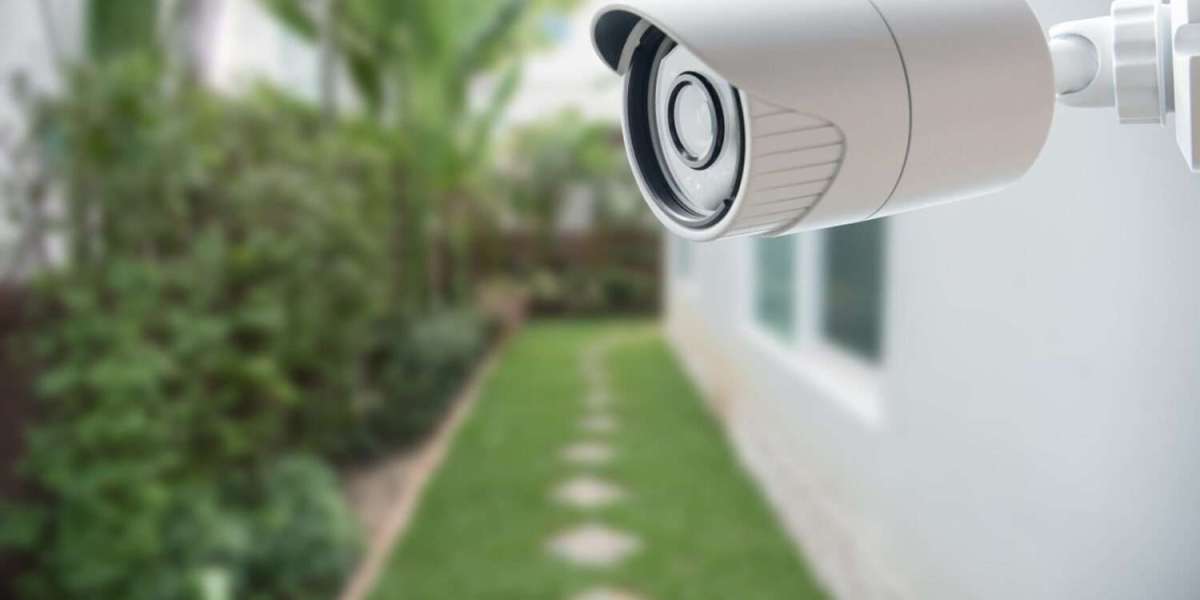
Home security cameras have become an essential part of modern living. As technology continues to improve, homeowners are looking for practical ways to safeguard their families, valuable belongings, and daily activities. A reliable camera system offers continuous monitoring, helping people stay informed about what is happening around their property whether they are at home, at work, or traveling.
Today's home security cameras provide far more than simple video recording. They allow homeowners to receive instant alerts, view live footage through mobile applications, communicate with visitors, and store recordings for future reference. These features make security cameras an excellent investment for anyone who values peace of mind.
This article explores the importance of home security cameras, their key features, installation considerations, placement strategies, and long-term benefits.
Why Home Security Cameras Matter
Every homeowner wants to feel confident that their property remains protected throughout the day and night. Home security cameras create an additional layer of awareness by allowing continuous observation of important areas around the home.
Visible cameras can discourage unwanted visitors from approaching the property. Even when incidents do occur, recorded footage can help homeowners understand exactly what happened. This information may also assist authorities during investigations or insurance claims.
Security cameras also provide reassurance for families with children, elderly relatives, or pets. Parents can monitor when children arrive home from school, while pet owners can check on animals throughout the day. Elderly family members living alone can also benefit from occasional visual check-ins.
The Evolution of Home Surveillance
Home surveillance has changed dramatically over the years. Earlier systems relied on large recording devices, limited storage, and complicated wiring. Modern security cameras are far more user-friendly and offer excellent image quality with simple setup procedures.
Wireless technology has eliminated many installation challenges. Homeowners can now connect cameras to their home network and manage everything through smartphones or tablets. Many systems also provide cloud storage, allowing recordings to remain available even if the camera itself is damaged or removed.
Artificial intelligence has further improved surveillance by helping cameras distinguish between people, vehicles, pets, and ordinary environmental movement. This reduces unnecessary notifications while improving overall monitoring accuracy.
Indoor Cameras for Everyday Awareness
Indoor security cameras provide visibility inside the home without requiring constant physical supervision. These cameras are useful for monitoring entrances, living rooms, play areas, nurseries, or home offices.
Parents often appreciate the ability to observe children during naps or while they are being cared for by relatives or babysitters. Pet owners enjoy checking on their animals during working hours, especially if pets spend long periods alone.
Indoor cameras may also help identify unexpected maintenance issues such as water leaks, open doors, or unusual activity inside the house before problems become more serious.
Outdoor Cameras for Property Protection
Outdoor cameras focus on monitoring areas surrounding the property. Driveways, garages, front entrances, backyards, gardens, and side pathways are common installation locations.
Outdoor cameras are specifically designed to withstand changing weather conditions while maintaining reliable performance throughout the year. Wide viewing angles allow homeowners to monitor larger sections of their property with fewer cameras.
Proper outdoor surveillance increases awareness of visitors, package deliveries, parked vehicles, and activity near property boundaries.
Clear Video Quality Improves Identification
Image clarity plays a significant role in security camera performance. Higher resolution allows homeowners to identify faces, clothing, vehicles, and other important details more accurately.
Modern cameras often support Full HD, Quad HD, or even Ultra HD recording. Clear footage becomes especially valuable when reviewing recorded events after an incident has occurred.
Wide dynamic range technology further improves visibility by balancing bright sunlight and shaded areas, producing more detailed recordings during challenging lighting conditions.
Night Vision for Around-the-Clock Monitoring
Many security incidents occur after sunset, making dependable night vision an important feature.
Modern cameras use infrared technology or low-light sensors to capture detailed video during nighttime hours. Some advanced models even provide full-color night recording when sufficient ambient lighting is available.
Consistent nighttime visibility ensures homeowners maintain awareness regardless of the time of day.
Motion Detection Makes Monitoring More Efficient
Instead of recording every second continuously, many cameras use intelligent motion detection to focus on activity that matters.
When movement is detected, the system can begin recording immediately while sending notifications to the homeowner's mobile device. This allows users to respond quickly if unexpected activity occurs.
Modern detection systems often recognize specific movement patterns, helping reduce unnecessary alerts caused by trees moving, rainfall, or passing wildlife.
Mobile Access Anywhere
One of the greatest advantages of today's security cameras is remote accessibility.
Homeowners can view live footage from virtually anywhere using secure mobile applications. Whether traveling, working late, or visiting relatives, users remain connected to their property with just a few taps on their smartphone.
Remote access also allows users to review recorded events, adjust camera settings, receive notifications, and monitor multiple cameras from one convenient interface.
Two-Way Communication Adds Convenience
Many home security cameras now include built-in microphones and speakers that enable two-way communication.
This feature allows homeowners to speak with delivery drivers, visitors, neighbors, or family members without opening the door. It also provides a convenient method for communicating with children arriving home from school or reminding pets to stay away from restricted areas.
Two-way communication improves both convenience and overall household awareness.
Choosing the Right Camera Placement
Proper camera placement greatly influences system effectiveness. Cameras should cover the most important entry points while minimizing blind spots.
Front entrances are usually the highest priority because they experience the greatest amount of visitor traffic. Back doors, garages, driveways, and accessible ground-floor windows also deserve attention.
Indoor cameras should monitor common living spaces instead of private areas where personal privacy should always be respected.
Carefully planned placement provides broader coverage while reducing the number of cameras required.
Wired and Wireless Systems
Both wired and wireless security cameras offer valuable advantages depending on homeowner preferences.
Wired systems generally provide stable connections and uninterrupted recording because they remain physically connected to recording equipment.
Wireless cameras simplify installation and offer greater flexibility when positioning devices throughout the property. Battery-powered models eliminate the need for nearby electrical outlets, making them suitable for locations where wiring would be difficult.
Selecting between wired and wireless options depends on property layout, budget, and long-term monitoring goals.
Storage Options for Recorded Footage
Security cameras require dependable storage solutions for preserving recorded video.
Some systems store footage on local memory cards or dedicated recording devices located inside the home. Others use secure cloud storage that keeps recordings accessible through internet-connected applications.
Many homeowners appreciate cloud storage because recordings remain protected even if equipment inside the home becomes unavailable.
Understanding storage capacity and retention periods helps homeowners choose a solution that matches their monitoring needs.
Privacy Should Always Be Considered
While security cameras improve protection, responsible use remains equally important.
Homeowners should install cameras with respect for neighbors and avoid directing lenses toward private areas outside their own property. Informing household members about camera locations promotes transparency and mutual understanding.
Strong account passwords, software updates, and secure network settings further protect camera systems from unauthorized access.
Responsible surveillance balances security with personal privacy.
Smart Home Integration
Many modern security cameras work alongside other smart home devices to create a more connected living environment.
Cameras may interact with smart lighting, video doorbells, alarms, locks, and voice assistants. These connected systems allow homeowners to automate responses when certain events occur.
For example, exterior lights may activate when movement is detected, or doors may automatically lock after security alerts.
Integrated systems simplify home management while improving overall awareness.
Long-Term Value of Security Cameras
Although purchasing a security camera system requires an initial investment, the long-term value often outweighs the cost.
Reliable surveillance provides continuous observation, supports insurance documentation, protects valuable belongings, and offers greater confidence when homeowners are away.
Many families discover that the greatest benefit is not simply recording events but knowing they can check on their property whenever needed.
Technology improvements also ensure that many camera systems remain useful for years through software updates and additional compatible devices.
Maintaining Your Security System
Routine maintenance helps cameras continue performing effectively.
Camera lenses should be cleaned periodically to remove dust, fingerprints, and outdoor debris. Battery-powered models require occasional charging or battery replacement, while wired systems benefit from routine inspections of cables and connections.
Software updates should be installed whenever available to improve performance, reliability, and cybersecurity.
Reviewing camera angles every few months ensures landscaping changes or new outdoor objects have not obstructed important viewing areas.
Consistent maintenance keeps surveillance systems dependable throughout every season.
Conclusion
Home security cameras have transformed the way homeowners protect their families and properties. Modern systems combine excellent video quality, intelligent monitoring, remote accessibility, and convenient communication into one comprehensive solution. Whether monitoring indoor living spaces, outdoor entrances, or valuable possessions, these cameras provide continuous awareness that traditional security measures alone cannot offer.
By selecting suitable equipment, placing cameras strategically, maintaining privacy, and performing regular maintenance, homeowners can build a dependable surveillance system that delivers lasting value. As technology continues to advance, home security cameras will remain an important part of creating safer, smarter, and more confident living environments.