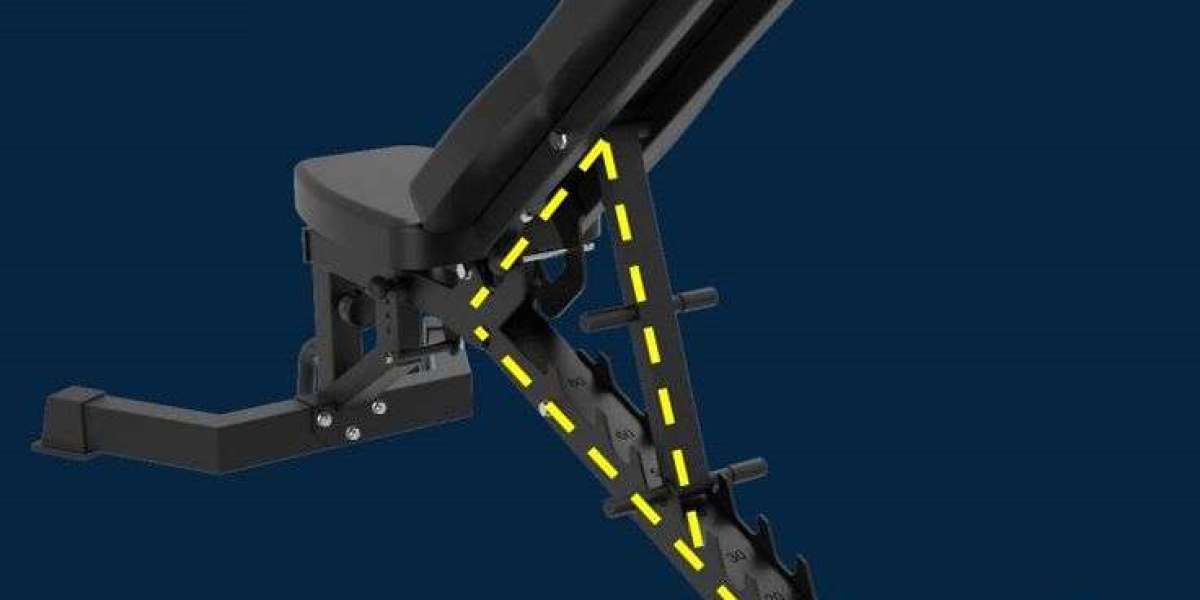
An adjustable weight bench is one of the most practical pieces of fitness equipment for people who want to improve their training routine. Whether you are creating a home gym or upgrading a professional fitness space, this bench supports a wide variety of exercises that target every major muscle group. Its adjustable backrest and seat positions allow users to perform movements from different angles, making each workout more versatile and effective.
Unlike a fixed bench, an adjustable model provides flexibility for beginners and experienced athletes alike. From chest presses and shoulder exercises to abdominal routines and leg movements, one bench can support countless training possibilities. This versatility helps users save space while expanding the number of exercises available.
Understanding how to use an adjustable weight bench correctly can improve performance, encourage proper posture, and make workouts more productive. Learning the right techniques also allows users to achieve consistent progress while making every training session more enjoyable.
Why an Adjustable Weight Bench Is a Valuable Fitness Investment
Fitness equipment should offer both variety and long-term usefulness. An adjustable weight bench does exactly that by adapting to different workout styles and fitness goals.
The ability to change the angle of the backrest creates opportunities for exercises that cannot be performed effectively on a flat bench alone. Incline positions emphasize the upper chest and shoulders, while decline positions shift focus toward the lower chest and abdominal region. Flat settings remain ideal for traditional strength exercises.
Because one bench supports numerous workout variations, users avoid purchasing several pieces of equipment. This makes it a smart choice for home gyms where available space may be limited.
Understanding the Adjustable Positions
One of the biggest advantages of an adjustable bench is its range of positions. Each setting serves a different training purpose.
The flat position creates a stable surface for classic exercises like bench presses, dumbbell presses, and fly movements. This setting is often the foundation of many strength programs.
The incline position raises the upper body, allowing users to focus more attention on the upper chest and front shoulders. Different incline levels also create variety during repeated training sessions.
The upright position transforms the bench into a seated support for shoulder presses, arm exercises, and upper body movements that require back stability.
The decline position lowers the upper body below the hips, making certain chest and abdominal exercises more challenging while encouraging greater muscle engagement.
Understanding these positions allows users to build balanced workout routines that prevent monotony.
Chest Training with an Adjustable Weight Bench
Chest workouts become significantly more diverse when using an adjustable bench. Instead of repeating identical movements, users can change angles to stimulate muscles differently.
Flat dumbbell presses remain one of the most popular exercises because they encourage balanced strength development. Since each arm works independently, users often improve coordination while correcting muscular imbalances.
Incline dumbbell presses increase emphasis on the upper portion of the chest. Many individuals include this movement to create a fuller appearance across the upper body.
Decline presses provide another variation by engaging the lower chest. Alternating between incline, flat, and decline sessions creates a comprehensive chest routine.
Dumbbell fly movements also benefit from bench adjustments. Changing the angle allows muscles to experience different ranges of motion, adding variety to every workout.
Shoulder Exercises Become More Effective
The upright setting transforms the adjustable bench into a supportive seat for shoulder workouts.
Seated shoulder presses reduce unnecessary body movement, helping users focus on proper lifting mechanics. The bench provides back support that encourages controlled repetitions.
Lateral raises performed while seated reduce momentum, allowing shoulders to perform more of the work throughout each repetition.
Front raises also become more controlled when users remain seated, helping improve concentration during training.
Rear shoulder exercises performed against an incline bench further support balanced shoulder development by targeting muscles that are often overlooked.
Building Stronger Arms
An adjustable weight bench provides excellent support for numerous arm exercises.
Seated bicep curls encourage better posture and reduce unnecessary swinging. This allows the arms to complete each repetition with greater precision.
Incline dumbbell curls stretch the biceps through a larger range of motion, creating a different training experience compared to standing curls.
Triceps extensions performed while lying on the bench remain popular among individuals seeking stronger upper arms. The bench stabilizes the body, allowing attention to remain focused on the movement itself.
Concentration curls performed while seated help isolate one arm at a time, encouraging balanced strength development.
Improving Back Training
Many people associate benches only with chest workouts, but they also contribute significantly to back exercises.
Chest-supported dumbbell rows performed on an incline bench reduce unnecessary body movement while allowing users to isolate back muscles more effectively.
Single-arm rows become more stable when one knee and one hand rest on the bench. This support allows users to maintain proper posture throughout the exercise.
Reverse fly movements performed while leaning against an incline bench strengthen the upper back and contribute to improved posture.
Including bench-supported back exercises creates a balanced upper-body routine.
Core Training Opportunities
The adjustable bench is equally valuable for abdominal training.
Decline sit-ups increase the challenge compared to performing sit-ups on the floor. The adjustable angle allows users to gradually increase workout intensity.
Russian twists performed while seated on the bench improve rotational strength and stability.
Leg raises supported by the bench encourage greater control throughout the movement while targeting the lower abdominal region.
Mountain climber variations using the bench create additional workout options while introducing variety into core routines.
Consistent abdominal training contributes to overall athletic performance and improved body control.
Leg Exercises with an Adjustable Bench
Although many people view the adjustable bench as upper-body equipment, it also supports lower-body workouts.
Bulgarian split squats remain one of the most effective leg exercises performed with a bench. Resting one foot behind the body increases balance demands while strengthening the thighs and glutes.
Step-ups performed on a sturdy bench improve lower-body strength while enhancing coordination.
Seated calf raises using additional resistance become easier with the support of an adjustable bench.
Hip thrusts performed with the upper back resting against the bench strengthen the glutes while supporting overall lower-body development.
Including lower-body exercises ensures complete training rather than focusing exclusively on the upper body.
Supporting Progressive Strength Development
Strength improvements occur gradually through consistent effort and increasing training demands.
An adjustable bench supports this progression by allowing users to modify exercise angles, repetition ranges, and movement variations instead of relying solely on additional weight.
Changing the bench angle introduces new challenges for muscles without requiring entirely different equipment. This keeps workouts engaging while encouraging steady improvement.
Progressive training also reduces boredom, making long-term fitness routines easier to maintain.
Suitable for Beginners and Experienced Lifters
One of the greatest strengths of an adjustable weight bench is its accessibility.
Beginners appreciate the stability provided during basic exercises. The bench helps users develop confidence while learning proper movement patterns.
Intermediate lifters benefit from increased exercise variety and more structured workout routines.
Advanced athletes often incorporate multiple bench angles into specialized strength programs that emphasize different muscle groups throughout the week.
Because the bench adapts to every experience level, it remains useful even as fitness goals evolve.
Home Gym Space Efficiency
Creating a functional home gym often requires careful planning.
Instead of purchasing separate benches for incline, flat, and seated exercises, one adjustable bench performs all these functions. This reduces equipment clutter while expanding workout possibilities.
Many adjustable benches also feature foldable designs, allowing convenient storage after each session.
For individuals working with limited room, maximizing equipment versatility becomes especially important.
Encouraging Better Exercise Technique
Proper technique remains one of the most important aspects of successful training.
The adjustable bench supports body positioning during numerous exercises, helping users maintain consistent posture.
Stable positioning often improves movement quality by reducing unnecessary body motion. Better control allows muscles to perform the intended work throughout each repetition.
Learning proper lifting habits early creates a stronger foundation for future progress.
Variety Keeps Workouts Interesting
Repeating identical exercises every week can reduce motivation.
An adjustable bench introduces countless exercise combinations simply by changing the backrest angle. A single pair of dumbbells paired with an adjustable bench can create dozens of unique workout routines.
This variety keeps training enjoyable while encouraging continued participation over time.
Changing exercises also allows different muscles to receive fresh stimulation, contributing to balanced development.
Choosing the Right Adjustable Weight Bench
Selecting a quality adjustable bench requires careful consideration.
A sturdy frame provides confidence during demanding exercises. Stability remains essential regardless of the weight being used.
Comfortable padding supports longer workouts while maintaining proper body alignment.
Multiple adjustment positions increase exercise options and accommodate users of different heights and experience levels.
Smooth adjustment mechanisms make transitions between exercises quicker, improving workout efficiency.
A bench with appropriate weight capacity ensures dependable performance throughout years of regular use.
Maintenance and Long-Term Care
Proper maintenance helps preserve the performance of an adjustable weight bench.
Cleaning the upholstery after workouts helps maintain a fresh appearance and prevents dirt buildup.
Regularly checking adjustment pins and moving components ensures secure positioning during training.
Keeping bolts tightened contributes to long-term stability.
Storing the bench in a clean, dry environment protects its appearance and overall condition.
Simple maintenance habits help extend the equipment's lifespan while supporting consistent performance.
Creating a Complete Workout Routine
An adjustable weight bench can serve as the foundation of an effective weekly training schedule.
Alternating upper-body and lower-body sessions allows adequate recovery while maintaining regular activity.
Changing bench angles throughout the week introduces variety and helps target muscles from different directions.
Combining pressing movements, pulling exercises, leg training, and core work creates a balanced fitness program suitable for long-term progress.
Consistency remains more important than complexity. Regular workouts built around fundamental exercises often produce lasting improvements.
Conclusion
An adjustable weight bench offers exceptional versatility, making it one of the most valuable additions to any fitness environment. Its ability to support flat, incline, upright, and decline positions allows users to perform a wide range of exercises that target every major muscle group. From chest presses and shoulder workouts to arm routines, back training, leg exercises, and core development, the bench adapts to countless fitness goals.
Its space-saving design, flexibility, and long-term usefulness make it suitable for beginners, experienced lifters, and everyone in between. By encouraging exercise variety, supporting proper technique, and providing numerous training options, an adjustable weight bench becomes far more than a simple piece of equipment. It serves as the foundation for productive workouts that promote steady progress, greater confidence, and long-lasting fitness success.