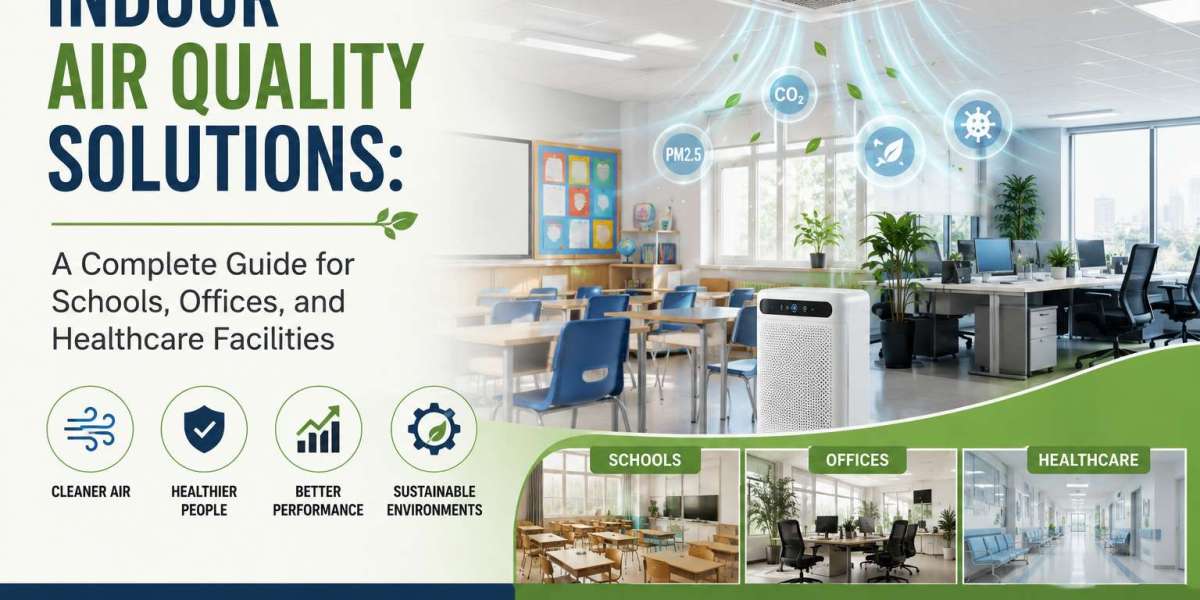
Indoor air quality (IAQ) has become a critical consideration for modern buildings. Whether in schools, offices, or healthcare facilities, maintaining clean and healthy indoor environments directly impacts occupant wellbeing, productivity, and operational efficiency. As organizations continue investing in smarter and more sustainable buildings, Indoor Air Quality Solutions are playing an increasingly important role in improving comfort, reducing health risks, and supporting regulatory compliance.
From CO₂ monitoring and intelligent ventilation to real-time air quality measurement systems, today's advanced IAQ technologies enable organizations to create healthier indoor environments while optimizing energy consumption and building performance.
Why Indoor Air Quality Matters
People spend approximately 90% of their time indoors, making indoor environmental conditions more important than ever. Poor indoor air quality can lead to numerous issues, including:
- Reduced concentration and productivity
- Increased absenteeism
- Fatigue and headaches
- Respiratory discomfort
- Higher risk of airborne disease transmission
- Reduced learning performance
- Uncomfortable indoor environments
By implementing modern indoor air quality solutions, organizations can proactively monitor environmental conditions and take corrective actions before they negatively impact occupants.
Key Components of Indoor Air Quality Solutions
Today's air quality systems combine advanced sensing technologies with intelligent building management capabilities.
Key components include:
CO₂ Monitoring Systems
Carbon dioxide concentration is one of the most important indicators of indoor ventilation performance.
High CO₂ levels may indicate inadequate air exchange, leading to decreased cognitive performance and occupant discomfort.
CO₂ monitoring solutions help facilities:
- Optimize ventilation rates
- Improve indoor comfort
- Reduce energy waste
- Maintain healthy indoor environments
- Support smart building initiatives
VOC Monitoring
Volatile Organic Compounds (VOCs) are emitted from furniture, cleaning products, paints, and building materials.
Monitoring VOC levels enables facility managers to identify potential air quality concerns and maintain safer environments.
Temperature and Humidity Sensors
Maintaining proper temperature and humidity levels contributes significantly to occupant comfort and helps reduce the spread of airborne contaminants.
Integrated monitoring systems allow continuous assessment of indoor climate conditions.
Smart Ventilation Control
Modern IAQ solutions can automatically adjust ventilation systems based on occupancy levels and measured air quality parameters.
Benefits include:
- Improved energy efficiency
- Lower operating costs
- Enhanced occupant comfort
- Better air circulation
- Reduced environmental impact
Indoor Air Quality Solutions for Schools
Educational institutions face unique challenges when maintaining healthy indoor environments.
Classrooms often experience fluctuating occupancy levels, making proper ventilation essential.
Benefits of indoor air quality monitoring in schools include:
Improved Student Performance
Studies suggest that better indoor air quality contributes to increased concentration, improved learning outcomes, and enhanced cognitive performance.
Healthier Learning Environments
Continuous monitoring helps maintain appropriate ventilation levels and reduces the accumulation of pollutants within classrooms.
Energy Optimization
Smart ventilation systems can regulate airflow according to occupancy, minimizing unnecessary energy consumption.
Regulatory Compliance
Many educational institutions are adopting air quality monitoring strategies to comply with building standards and sustainability initiatives.
Indoor Air Quality Solutions for Offices
Employee wellbeing has become a strategic priority for organizations worldwide.
Modern workplaces require comfortable and healthy environments that support productivity and employee satisfaction.
Indoor air quality systems help organizations achieve:
Increased Productivity
Better indoor air quality contributes to improved concentration, reduced fatigue, and higher workplace efficiency.
Enhanced Employee Comfort
Maintaining optimal environmental conditions creates a more comfortable workspace and improves employee experience.
Smart Building Integration
Advanced monitoring systems integrate seamlessly with building management platforms, enabling data-driven facility optimization.
Sustainability Goals
Organizations pursuing ESG initiatives can leverage air quality technologies to support energy efficiency and sustainable building operations.
Indoor Air Quality Solutions for Healthcare Facilities
Healthcare environments demand some of the highest standards for indoor environmental quality.
Hospitals, clinics, and medical facilities require continuous monitoring to maintain safe and hygienic conditions.
Benefits include:
Better Environmental Control
Healthcare facilities can continuously monitor air quality parameters and maintain optimal environmental conditions.
Reduced Risk Exposure
Proper ventilation management supports infection control strategies and contributes to safer patient environments.
Compliance Support
Many healthcare facilities must adhere to strict indoor environmental requirements and building regulations.
Operational Efficiency
Automated monitoring reduces manual inspections while improving facility management processes.
The Role of Smart Building Technologies
As smart building adoption continues to increase, indoor air quality solutions are becoming integral components of modern building ecosystems.
Advanced technologies enable:
- Real-time monitoring
- Cloud connectivity
- Building automation integration
- Predictive analytics
- Remote management
- Data visualization dashboards
- Intelligent ventilation control
Organizations can leverage these capabilities to improve decision-making and optimize building performance.
Choosing the Right Indoor Air Quality Solution
Selecting the appropriate solution depends on several factors:
Building Type
Requirements vary significantly between schools, offices, healthcare facilities, and industrial environments.
Monitoring Parameters
Determine whether your facility requires monitoring for:
- CO₂
- VOCs
- Temperature
- Humidity
- Particulate matter
- Ventilation performance
Integration Capabilities
Consider solutions that integrate easily with existing HVAC and Building Management Systems (BMS).
Scalability
As facilities evolve, scalable air quality systems provide flexibility for future expansion.
Data Accessibility
Modern solutions should provide easy access to real-time data, historical trends, and reporting capabilities.
Investing in Healthier Indoor Environments
Indoor air quality is no longer just a facility management concern—it has become a strategic investment in occupant wellbeing, sustainability, and operational excellence.
Organizations implementing advanced indoor air quality solutions benefit from:
✔ Improved occupant health and comfort
✔ Enhanced productivity and learning outcomes
✔ Better ventilation efficiency
✔ Reduced energy consumption
✔ Support for ESG and sustainability initiatives
✔ Increased building performance
✔ Long-term operational savings
Conclusion
Indoor Air Quality Solutions are transforming the way schools, offices, and healthcare facilities manage their indoor environments. Through intelligent monitoring, CO₂ measurement, smart ventilation, and integrated building technologies, organizations can create healthier, more comfortable, and energy-efficient spaces.
As the demand for smart buildings and sustainable operations continues to grow, investing in modern indoor air quality technologies has become an essential step toward improving occupant wellbeing and future-proofing facilities.
Read More: https://tecsysproductguides.blogspot.com/2026/06/indoor-air-quality-solutions-complete.html