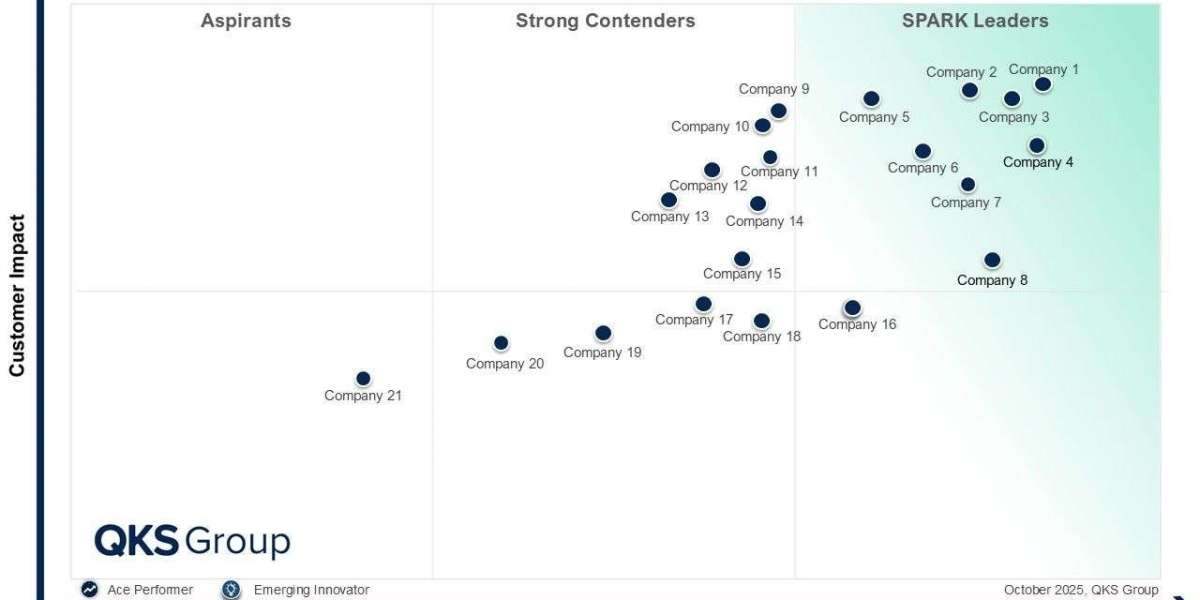
In today’s rapidly evolving digital landscape, User Authentication has become a cornerstone of enterprise cybersecurity. As organizations expand across hybrid, cloud, and multi-cloud environments, traditional password-based systems are no longer sufficient. According to QKS Group’s latest research, the global User Authentication market is undergoing a significant transformation driven by advanced technologies, evolving threat landscapes, and the growing adoption of Zero Trust frameworks.
Understanding the User Authentication Market Landscape
QKS Group’s User Authentication market research provides a comprehensive analysis of emerging technology trends, market dynamics, and future outlook. The study offers valuable strategic insights for:
- Technology vendors to refine growth strategies
- Enterprises to evaluate authentication solutions
- Security leaders to strengthen identity and access management frameworks
The report highlights how modern authentication platforms are shifting toward adaptive, intelligent, and frictionless security mechanisms that go far beyond traditional credentials.
Key Trends Driving the User Authentication Market
- Shift Toward Passwordless Authentication
One of the most prominent trends in the User Authentication market is the rapid adoption of passwordless authentication solutions. Technologies such as biometrics, hardware tokens, and mobile-based authentication are eliminating the risks associated with password reuse and phishing attacks.
- Rise of Multi-Factor Authentication (MFA)
Organizations are increasingly implementing multi-factor authentication (MFA) to enhance security layers. By combining multiple verification methods—such as something you know, have, or are—MFA significantly reduces the risk of unauthorized access.
- AI and Machine Learning in Authentication
AI- and ML-driven authentication systems are revolutionizing the market. These technologies enable:
- Behavioral analytics
- Continuous authentication
- Real-time risk assessment
This ensures a balance between strong security and seamless user experience.
- Growth of Authentication-as-a-Service (AaaS)
Cloud-native delivery models such as Authentication-as-a-Service (AaaS) are gaining traction due to their scalability and flexibility. These solutions allow organizations to deploy authentication systems quickly across distributed environments.
- Expansion of Zero Trust Security Models
The adoption of Zero Trust architecture is accelerating demand for advanced authentication platforms. These systems continuously verify users, devices, and applications, ensuring no entity is trusted by default.
Competitive Landscape and SPARK Matrix Analysis
The research includes a detailed competitive analysis using QKS Group’s proprietary SPARK Matrix, which evaluates vendors based on technology excellence and customer impact. Leading players in the User Authentication market include: 1kosmos, Beyond Identity, Broadcom, Cisco, CyberArk, Entrust, Facephi, HID, IBM, Imprivata, LastPass, Microsoft, Okta, OneIdentity, OneSpan, Opentext, Ping Identity, RSA, SecureAuth, Thales, Transmit Security.
This evaluation helps organizations identify the right vendors based on their capabilities, innovation, and market positioning.
The Future of User Authentication
According to an Analyst at QKS Group, modern User Authentication platforms are evolving into intelligent, adaptive security ecosystems. These platforms integrate:
- Biometric authentication
- Context-aware access controls
- Continuous identity verification
Additionally, authentication is expanding beyond human users to include machine identities, APIs, and IoT devices, making it a critical component of enterprise-wide security strategies.
Why User Authentication is Critical for Digital Transformation
As organizations accelerate digital transformation, robust authentication systems are essential for:
- Preventing credential theft and phishing attacks
- Ensuring regulatory compliance
- Delivering secure and seamless user experiences
- Supporting remote and hybrid work environments
Modern authentication platforms are no longer just security tools—they are enablers of digital trust and business resilience.
Conclusion
The global User Authentication market is poised for substantial growth, driven by advancements in AI, cloud computing, and identity security frameworks. Organizations that invest in modern, scalable, and intelligent authentication solutions will be better equipped to navigate evolving cyber threats while delivering frictionless user experiences.
As the market continues to evolve, User Authentication will remain at the heart of secure digital ecosystems, empowering enterprises to achieve both security and innovation.