Precision manufacturing has become a key requirement across industries such as construction, mining, automotive, engineering, architecture, food processing, petrochemicals, and water treatment. Components must be produced with exceptional accuracy while maintaining the strength and integrity of the original material. One of the most advanced methods available today is water jet cutting service, a technology that delivers clean, accurate cuts without generating heat or damaging the material. It is a versatile solution that supports everything from one-off prototypes to large-scale production runs.
Water jet cutting uses an extremely high-pressure stream of water, often mixed with abrasive particles, to cut through a wide variety of materials. Unlike traditional thermal cutting methods, water jet cutting is a cold-cutting process, meaning it produces no heat-affected zone (HAZ). This preserves the material's mechanical properties, making it ideal for applications where structural integrity is critical.
One of the greatest advantages of water jet cutting is its outstanding precision. Modern CNC-controlled machines follow computer-generated designs with remarkable accuracy, producing components that meet strict engineering tolerances. Whether manufacturing simple parts or highly intricate profiles, water jet cutting consistently delivers excellent results with minimal variation between production runs.
Because the process does not generate heat, it eliminates problems commonly associated with laser or plasma cutting, such as warping, hardening, or material distortion. This makes water jet cutting particularly valuable when working with stainless steel, aluminium, titanium, copper, brass, composites, ceramics, glass, and other heat-sensitive materials.
Material versatility is another reason many industries rely on water jet cutting. The technology can process both metals and non-metallic materials using the same equipment. Stainless steel, Duplex stainless steel, 3CR12, aluminium, titanium, ceramics, stone, composites, and plastics can all be cut with exceptional accuracy while maintaining excellent edge quality.
The ability to cut thick materials is another major benefit. Water jet cutting systems can process material up to approximately 100 mm thick while maintaining high levels of accuracy. This makes the process particularly suitable for heavy engineering, mining equipment, structural steel components, and industrial fabrication projects where thicker materials are commonly used.
Modern manufacturing increasingly demands complex component geometries. Water jet cutting easily produces intricate profiles, internal cut-outs, detailed shapes, sharp corners, and custom contours that may be difficult or impossible to achieve using conventional cutting techniques. Designers enjoy greater freedom because highly detailed components can be manufactured directly from CAD drawings.
One of the most significant operational advantages is the excellent edge quality produced by water jet cutting. Smooth edges often require little or no secondary finishing, reducing production time and lowering overall manufacturing costs. Less grinding, machining, or polishing means components move through production more efficiently.
The construction industry regularly uses water jet cutting to manufacture structural plates, connection brackets, decorative panels, stair components, balustrades, architectural features, and custom steel fabrications. Accurate cutting improves assembly while helping contractors maintain demanding project schedules.
Architectural designers appreciate water jet technology because it allows the creation of decorative stainless steel screens, signage, artistic panels, custom facades, and intricate design elements. Complex patterns can be reproduced with outstanding precision while maintaining attractive surface finishes suitable for high-end commercial projects.
The mining industry relies heavily on precision-cut components that can withstand harsh operating environments. Water jet cutting produces wear plates, machine components, flanges, brackets, protective covers, and specialised engineering parts that meet exact dimensional requirements while preserving material strength.
Automotive manufacturers also benefit from water jet cutting when producing prototype components, brackets, mounting plates, structural reinforcements, exhaust parts, and custom vehicle modifications. Precise cutting improves assembly accuracy while reducing material waste.
Food processing and beverage manufacturing facilities often require hygienic stainless steel components with smooth edges and precise dimensions. Water jet cutting produces clean parts that are suitable for equipment used in environments where hygiene standards are extremely important.
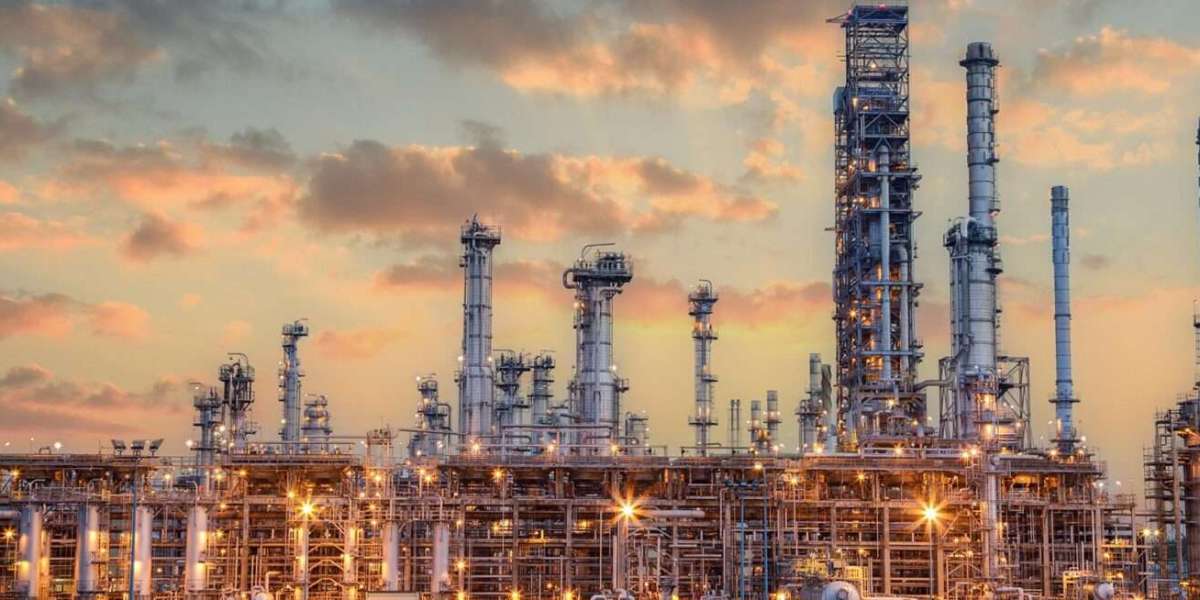
Chemical processing plants and petrochemical facilities depend on corrosion-resistant stainless steel components manufactured to strict specifications. Water jet cutting helps produce precision parts while avoiding heat distortion that could affect material performance in aggressive chemical environments.
Water treatment facilities use accurately cut stainless steel components in filtration systems, pipe supports, pump installations, and treatment equipment. Preserving corrosion resistance is especially important in these applications because equipment is continually exposed to moisture and chemicals.
Engineering companies frequently choose water jet cutting for prototype development. Engineers can rapidly produce functional parts directly from digital designs without investing in expensive tooling. This accelerates product development while allowing faster design improvements before full-scale production begins.
Another important benefit is reduced material waste. Advanced nesting software arranges components efficiently on raw material sheets, maximising material utilisation and reducing scrap. Lower waste contributes to reduced manufacturing costs while supporting environmentally responsible production practices.
Environmental sustainability continues to influence manufacturing decisions worldwide. Water jet cutting is considered an environmentally friendly process because it generates no harmful fumes, smoke, or thermal emissions during cutting. Many systems also recycle water, further reducing environmental impact while supporting sustainable manufacturing practices.
Quality assurance remains essential throughout the manufacturing process. Professional water jet cutting providers utilise advanced CNC systems, calibrated equipment, and comprehensive inspection procedures to ensure every component meets customer specifications. Consistent quality reduces assembly problems while improving final product performance.
Production flexibility is another major advantage. Water jet cutting efficiently supports single custom components, low-volume prototypes, medium production runs, and large-scale manufacturing. This flexibility allows businesses to respond quickly to changing customer requirements without sacrificing quality or increasing production costs.
Combining water jet cutting with other fabrication services further improves manufacturing efficiency. Many companies offer laser cutting, CNC bending, machining, welding, polishing, rolling, and fabrication alongside water jet cutting, allowing customers to complete multiple manufacturing stages through a single supplier. Integrated services simplify project management while reducing lead times.
Technical expertise also plays an important role when selecting a manufacturing partner. Experienced engineering teams help customers choose appropriate materials, optimise part designs, improve nesting layouts, and recommend the most efficient manufacturing methods. Their guidance often reduces production costs while improving overall product quality.
Safety is another advantage of precision manufacturing. Accurate cutting minimises the need for extensive manual rework, grinding, and corrective fabrication. Reduced handling improves workplace safety while increasing productivity throughout the manufacturing process.
As industries continue embracing automation and advanced manufacturing technologies, demand for precision cutting continues to grow. Businesses require manufacturing partners capable of delivering accurate components, fast turnaround times, and dependable quality across increasingly complex engineering projects.
Choosing the right water jet cutting provider involves evaluating equipment capability, material expertise, production capacity, quality certifications, engineering support, and delivery reliability. Working with an experienced supplier helps ensure projects are completed efficiently while maintaining the highest standards of quality and precision.