Introduction
Efficient turbine operation depends on advanced control systems capable of monitoring and regulating critical processes in real time. In industries such as power generation, oil and gas, and manufacturing, turbines must operate within precise parameters to ensure safety, reliability, and optimal performance. One of the key components that supports these objectives is the microprocessor regulator card, an electronic module designed to process data and assist in turbine control functions.
What Is a Microprocessor Regulator Card?
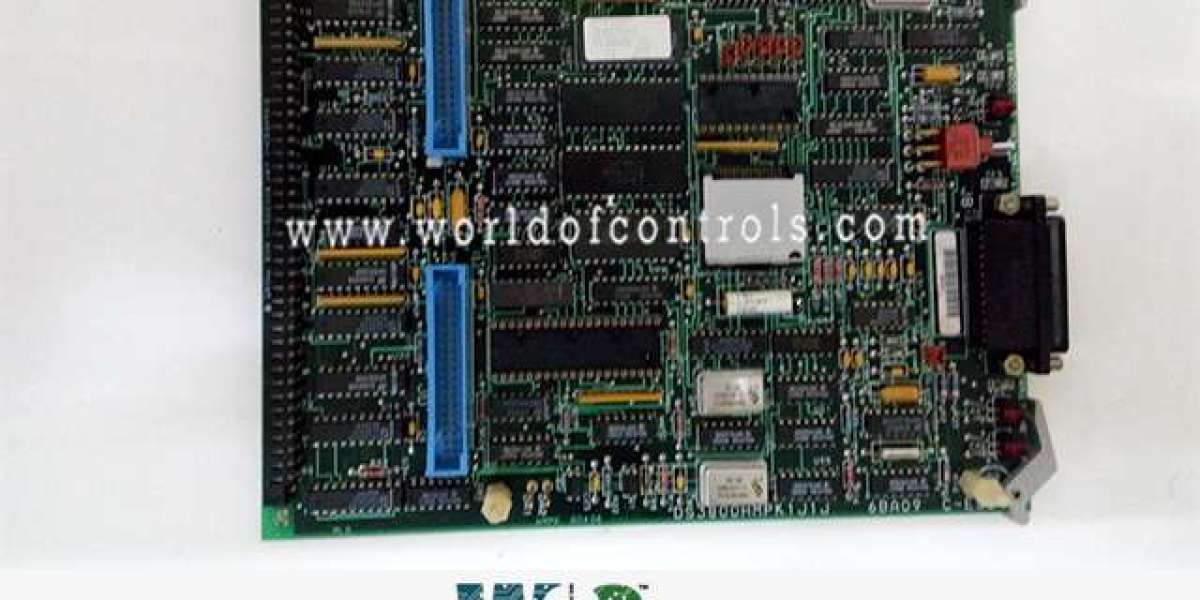
A microprocessor regulator card is an electronic control component used within turbine control systems to manage operational processes. Equipped with a microprocessor, the card receives signals from various sensors, analyzes operating conditions, and helps execute control actions based on predefined system requirements.
These cards act as a bridge between field devices and the overall control architecture, ensuring that critical information is processed accurately and efficiently. Their ability to perform complex calculations and respond quickly to changing conditions makes them essential in modern turbine environments.
The Role of Regulator Cards in Turbine Control Systems
Turbines operate under dynamic conditions that require continuous monitoring and adjustment. Factors such as speed, temperature, pressure, vibration, and load must remain within acceptable limits to prevent operational issues and maintain efficiency.
Microprocessor regulator cards support these objectives by:
- Monitoring key operating parameters
- Processing input and output signals
- Assisting with automated control functions
- Supporting communication between system components
- Contributing to fault detection and diagnostics
By enabling accurate control and rapid response to system changes, these cards help maintain stable turbine performance across a wide range of operating conditions.
How Microprocessor Technology Improves Turbine Performance
The introduction of microprocessor-based control technology marked a significant advancement over traditional analog systems. Digital processing allows turbine control systems to handle larger volumes of data with greater speed and accuracy.
Improved Precision
Microprocessor regulator cards can process complex data and make precise adjustments to turbine operations, helping maintain optimal performance and efficiency.
Faster Response Times
Modern control systems require immediate reactions to changing operating conditions. Microprocessor technology enables quick signal processing and control actions, reducing the likelihood of performance deviations.
Enhanced Reliability
Advanced electronic control components improve system dependability by supporting continuous monitoring and diagnostic capabilities. Early detection of irregularities helps reduce unplanned downtime and maintenance costs.
Better System Integration
Microprocessor regulator cards can communicate with other control modules and monitoring systems, creating a more integrated and coordinated control environment for turbine operations.
Importance in Industrial Applications
GE turbine control systems are widely used in industrial facilities where operational reliability is critical. Microprocessor regulator cards play a vital role in ensuring that turbines function safely and efficiently while meeting production demands.
These components are particularly valuable in applications that require:
- Continuous operation
- High system availability
- Accurate process control
- Reduced maintenance interruptions
- Improved operational efficiency
As industrial facilities continue to modernize, digital control technologies remain essential for maximizing equipment performance and extending the lifespan of turbine assets.
Conclusion
Microprocessor regulator cards are a fundamental part of modern turbine control systems. By processing operational data, supporting automated control functions, and enhancing system reliability, these components contribute significantly to efficient turbine performance. As the turbine industry continues to adopt advanced digital technologies, microprocessor-based regulation will remain an important factor in achieving safe, reliable, and optimized operations.