
Brazilian Jiu-Jitsu (BJJ) has always been a dynamic and evolving martial art. From its roots in traditional Brazilian gyms to today’s global community, the way we learn, teach, and express BJJ continues to shift with new ideas and methodologies. One such concept gaining traction—yet also sparking debate—is ecological BJJ. This term might sound academic or trend-driven on the surface, but at its core lies a practical approach to how we train, learn, and adapt on the mat.
Put simply, ecological BJJ emphasizes learning through interaction with dynamic situations rather than rigid repetition of isolated techniques. Instead of drilling specific moves over and over on a cooperative partner, practitioners engage in scenarios that more closely mimic live rolling or competition. These situations force awareness, decision-making, and responsiveness—skills that are arguably at the heart of effective grappling.
What Is Ecological BJJ Really About?
The term “ecological” in this context originates from ecological dynamics and constraints-led learning theory. In sport science, this approach suggests that movement and skill evolve as a direct response to interactions with environmental and task-specific constraints. Applied to BJJ, ecological training puts practitioners in controlled sparring situations with defined tasks or limitations that prompt adaptation, discovery, and creative problem-solving.
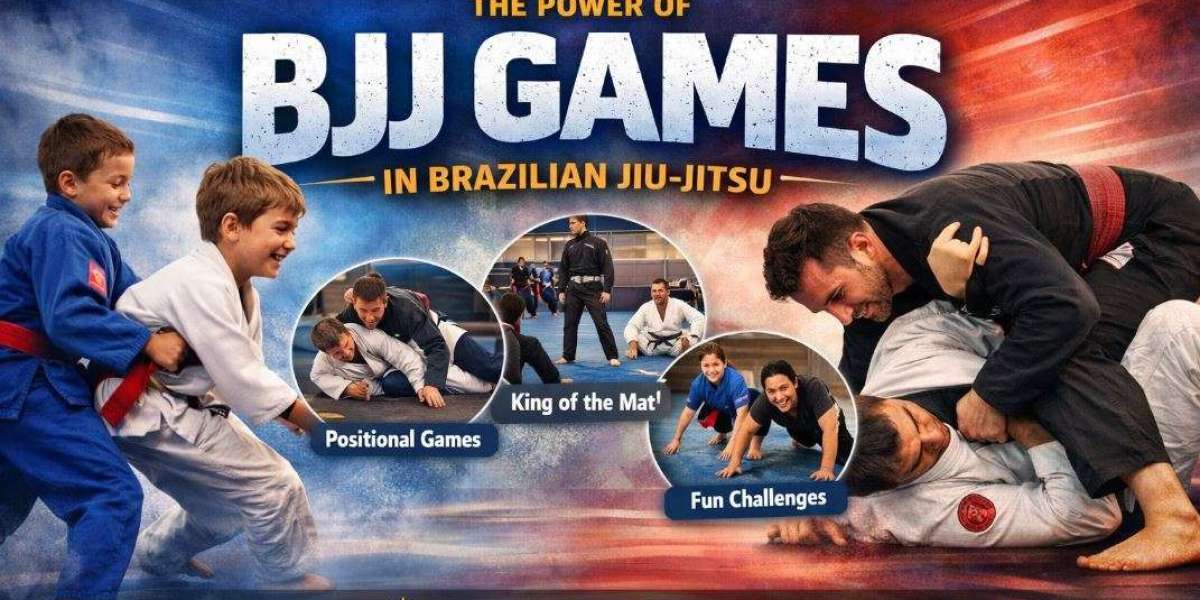
For example, a coach might set up a scenario where one student starts from closed guard while the other focuses solely on postural control and escape. Instead of step-by-step instructions, students are encouraged to explore options, react to their partner’s movements, and find solutions organically. Over time, this nurtures instincts and adaptability rather than memorization of sequences.
Proponents argue that this repetition without repetition—where similar goals are pursued in varied ways—helps students build a more resilient and practical grappling IQ. It encourages them to think rather than simply perform, making ecological approaches appealing for both competition-oriented athletes and those who want a deeper understanding of BJJ flow.
Why It’s Generating Buzz (and Controversy)
Like any new methodology, ecological BJJ isn’t without its critics. Traditionalists often see it as a reinvention of what seasoned grapplers have done intuitively for decades: positional sparring, drilling variations, and learning through live rolls. Some argue that calling it “ecological” adds unnecessary jargon to what is essentially natural progression in training. Even high-level practitioners like Gui Mendes have humorously dismissed the term as just drilling with reaction, noting that many of these concepts have been part of BJJ long before labels were applied.
On the flip side, many champions and coaches advocate for the value ecological training brings. World-class competitor Mikey Musumeci has weighed in on the debate, suggesting that ecological approaches and traditional drilling are both important and that BJJ as a whole encompasses elements of each. His perspective highlights that balance is key—that neither method alone gives the complete toolset a grappler needs.
This diversity of opinion is healthy for the sport. It pushes instructors to examine why they teach the way they do and how students learn best. It also—perhaps unintentionally—bridges the gap between more academic learning theories and the real-world experience of grapplers on the mat.
How Ecological BJJ Can Enhance Your Game
Whether you embrace the term or not, the philosophy behind ecological BJJ offers tangible benefits when integrated thoughtfully into training:
1. Improved Decision-Making
By placing students in adaptable situations, ecological training encourages split-second thinking and awareness. Grapplers learn not just what to do, but why and how to choose the best option.
2. Deeper Retention
Rather than memorizing technique sequences, practitioners embed knowledge by discovering patterns themselves. This leads to a deeper, longer-lasting understanding of movement and principles.
3. Enhanced Adaptability
Competition and live rolling are unpredictable. Ecological scenarios simulate that unpredictability and force students to respond to something that actually resembles real grappling, not just idealized repetition.
4. Creativity and Individual Style
Every practitioner is different—physically, mentally, and in their play style. Ecological BJJ allows athletes to explore solutions that align with their unique attributes instead of forcing a one-size-fits-all pattern.
Finding the Right Balance in Training
It’s important to note that ecological BJJ isn’t a silver bullet. Many grapplers find that a hybrid model—combining traditional drilling, specific technique breakdowns, positional sparring, and ecological scenarios—yields the best results. This blended approach respects the value of foundational mechanics while still embracing adaptability.
At the end of the day, the goal is to improve, not to champion one method over another. Whether you prefer detailed technical instruction, live rolling, game-like scenarios, or a combination of all, the underlying principles of hard work, consistency, and mindful practice remain the same. Ecological BJJ provides another lens through which to view and refine your training journey.
Conclusion
Ecological BJJ has ignited thoughtful discussion within the community because it challenges us to rethink how we learn as much as how we train. It emphasizes engagement, adaptability, and context-based understanding—traits that every effective Brazilian Jiu-Jitsu player cultivates over time.
As grapplers at all levels continue to explore and experiment with different training styles, the most important thing remains true: remain open, stay curious, and always keep learning. Whether ecological methods become mainstream or stay part of the broader conversation, they’ve already contributed valuable insights into the way we evolve on the mats.