Introduction
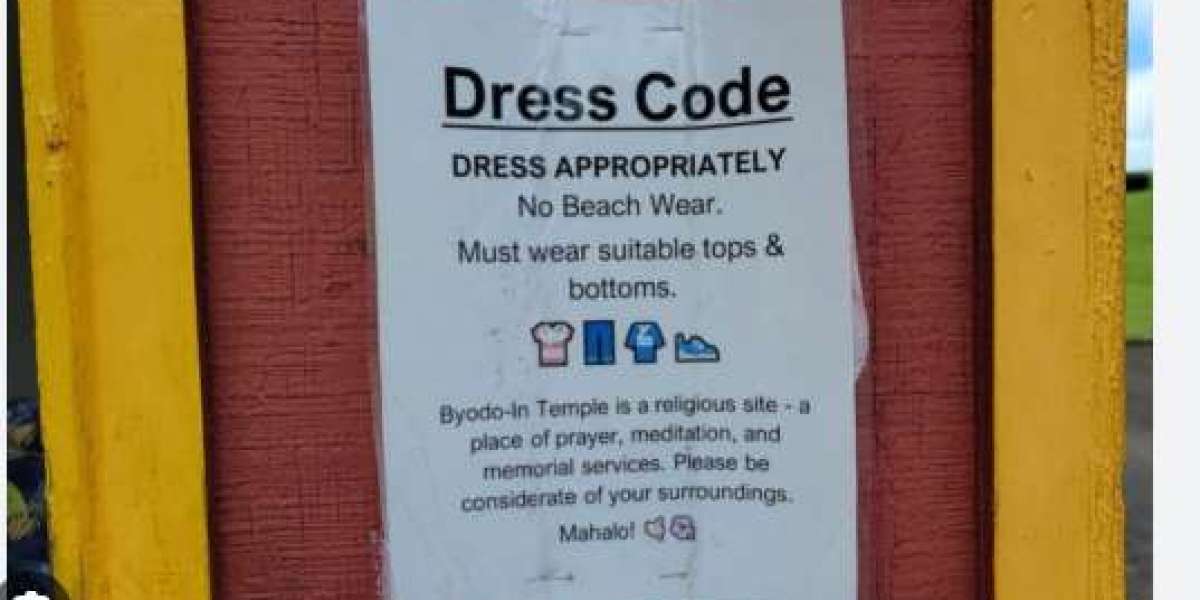
The Byodo-In Temple is a peaceful Buddhist temple located in the Valley of the Temples in Oʻahu, Hawaii. It is a non-practicing temple that welcomes visitors of all faiths, offering a serene environment for reflection, photography, and cultural appreciation. While it is open to the public, it is still a sacred space, and visitors are expected to dress appropriately out of respect for its religious and cultural significance.
Dress Code Overview
Byodo in temple dress code uniform-style dress code enforced at the Byodo-In Temple, but there are clear expectations around modesty and respect. The general guideline is to wear clothing that is conservative, comfortable, and suitable for a place of worship. Because the temple is both a religious site and a popular tourist attraction, visitors should balance practicality with cultural sensitivity.
Light, breathable clothing is often appropriate due to Hawaii’s warm climate, but overly revealing outfits are discouraged. The goal is to ensure that attire does not distract from the spiritual atmosphere or show disrespect to the site.
Why Dress Code Matters
The Byodo-In Temple is a replica of a 950-year-old temple in Uji, Japan, and it holds deep cultural and spiritual meaning. Even though it is not an active place of worship for daily ceremonies, it still functions as a Buddhist sacred site. Dressing appropriately helps maintain the peaceful environment and shows respect for Buddhist traditions and those who visit for meditation or remembrance.
Visitors often come to the temple to enjoy quiet reflection, feed the koi ponds, or ring the sacred bell. Maintaining a respectful atmosphere ensures that everyone can enjoy the experience without disruption.
What to Wear
When visiting the Byodo-In Temple, consider clothing that is modest yet comfortable. Some suitable options include:
- Lightweight tops that cover shoulders
- T-shirts or blouses that are not low-cut
- Knee-length shorts, skirts, or trousers
- Comfortable walking shoes or sandals
Because you may be walking across gardens, bridges, and uneven paths, practical footwear is especially important. Hats and sunglasses are acceptable outdoors due to the sun, but it is polite to remove hats when entering more sacred or quiet areas within the temple grounds.
In addition, breathable fabrics like cotton or linen are ideal, especially during warmer months. Visitors who plan to take photos may also want to choose clothing in neutral or soft tones to complement the temple’s natural surroundings.
What to Avoid
To maintain respect for the temple environment, certain clothing choices are discouraged:
- Revealing clothing such as crop tops, sports bras worn alone, or very short shorts
- Swimwear or beach attire
- Clothing with offensive or overly bold graphics
- Clothing that exposes excessive skin, such as backless tops or deep necklines
- Loud or distracting accessories
While enforcement is generally relaxed, staff may politely ask visitors to adjust their attire or be mindful if something is considered inappropriate.
Visitor Tips for Dressing Appropriately
Planning ahead can help you avoid discomfort or awkward situations. If you are coming directly from the beach or another tourist activity, it is a good idea to bring a light cover-up or change of clothes. A scarf or shawl can also be useful for covering shoulders if needed.
It’s also worth noting that Hawaii’s weather can change quickly. A light rain jacket or umbrella might be helpful, but avoid bulky clothing that makes it difficult to move comfortably around the temple grounds.
Conclusion
Byodo in temple dress code is not strict in a formal sense, but it is guided by principles of respect, modesty, and cultural awareness. By choosing appropriate clothing, visitors contribute to the temple’s peaceful atmosphere and show appreciation for its spiritual significance. Whether you are there for sightseeing, meditation, or photography, dressing thoughtfully helps ensure a meaningful and respectful experience.