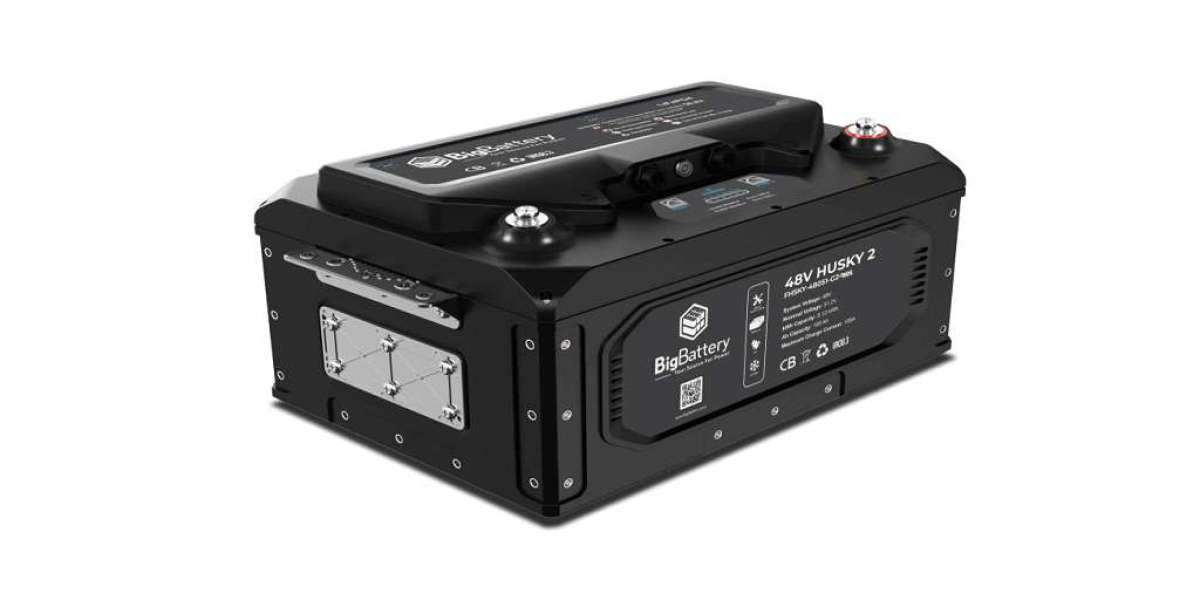
For all of the supposed benefits of lithium batteries, such as their high energy density, long service lifespans, and small, compact size, there’s always the one guy that will rebuff them all on safety concerns.
That being the case, today’s the day you should learn about LiFePO4 lithium batteries if you haven’t yet. These should allay some of those criticisms.
What Is a LiFePO4 Lithium Battery?
A LiFePO4 lithium battery, also known as a lithium iron phosphate battery or an LFP battery, is a special type of lithium battery that uses lithium iron phosphate as its cathode material. Unlike many other lithium ion batteries, LFP batteries contain no nickel or cobalt.
Lithium iron phosphate is, compared to some other types of lithium-ion chemistries, highly stable and in some ways safer, assuming it is charged, handled and stored correctly.
Among other things, lithium iron phosphate offers a high degree of chemical and thermal stability; as a result, they produce a much lower risk of fire, explosion or thermal runaway than other lithium-ion chemistries.
Also, unlike lead-acid batteries, they don’t tend to release hazardous gasses, making them potentially safer on that front, though safe storage in a ventilated environment, and safe handling are still recommended.
What Advantages Do They Offer?
In addition to the fact that LiFePO4 lithium batteries are considered potentially safer than other lithium ion batteries, they offer a number of other advantages as well.
A big one is that, even compared to other lithium batteries, LiFePO4 lithium batteries offer a very long lifespan. When properly cared for and maintained, an LFP battery can go through as many as 5000 discharge cycles before it loses even 20% of its full charge potential.
Like other lithium batteries, LFP batteries offer a very high energy density and a low self discharge rate. On the former count, this means that they are smaller and lighter than conventional lead-acid alternatives. On the latter, it means that even if you keep the battery stored for a while, as long as it had a suitable charge level before you stored it, it should be good when you take it out.
Because of their size and energy density, LFP batteries can also be used for solar energy storage. Make sure you consult your solar provider or a lithium battery specialist before you choose a specific model or series, though - each system may have unique requirements that you must address.
LiFePO4 lithium batteries are also reliable under a wide range of operation temperatures. While LiFePO4 batteries don’t appreciate cold temperatures (like most batteries) most are still operable at temperatures below 0℉, and many are still reliable above 100℉. Only the most extreme cold will hinder the reliability of an LFP battery.
Many other lithium-ion battery chemistries contain rare minerals such as nickel or cobalt, both of which can be considered toxic in specific doses. There are also ethical concerns associated with the sourcing of cobalt. Since LFP batteries are nickel and cobalt-free, this makes them more ethically and environmentally sound options.
Where Can You Learn More About LiFePO4 Lithium Batteries
As this article has illustrated, LiFePO4 lithium batteries capture many of the benefits associated with lithium batteries in general, along with a higher level of safety. When you use an appropriate charger and BMS, or battery management system, safety only continues to improve.
If you are interested in these benefits of LFP batteries and are wondering what other significant selling points they carry, visit BigBattery. They carry a wide range of lithium batteries (and accessories like chargers) for a wide range of applications and can help you find what you need.
For More Information About Solar Battery Bank and Lithium Marine Batteries Please Visit: BigBattery.