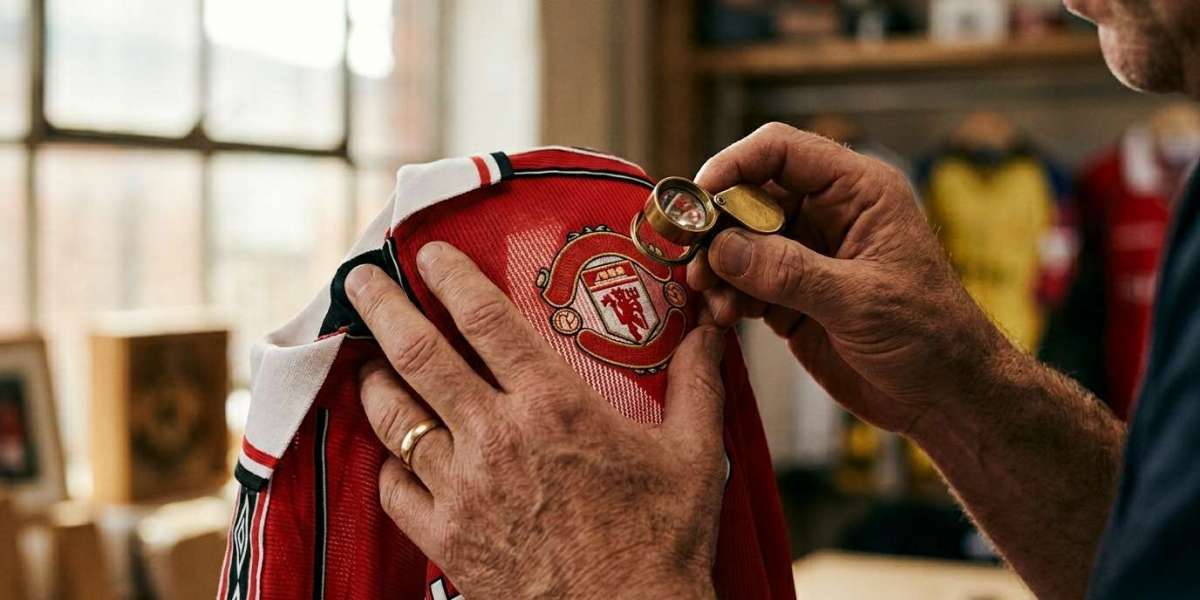
Football shirts are more than just sportswear. For many fans, they represent memories, historic matches, favorite players, and legendary teams. As the popularity of collecting classic kits continues to grow, the market has also seen an increase in counterfeit shirts. Because of this, knowing how to distinguish authentic football shirts from fake ones has become increasingly important.
Whether you are buying a recent release or a vintage classic, understanding the key differences can help you avoid disappointment and protect your investment.
Why Authenticity Matters
Authentic football shirts usually offer:
- Higher quality materials
- Better durability
- Greater collector value
- Historical significance
- Stronger resale potential
In contrast, counterfeit shirts often use low-quality fabrics and inaccurate details that reduce both their value and lifespan.
Examine the Material Quality
One of the easiest ways to identify a fake football shirt is by checking the fabric.
Authentic shirts generally feature:
- Lightweight and breathable materials
- Smooth stitching
- High-quality printing
- Consistent texture
Fake shirts often feel heavier or rougher and may show signs of poor craftsmanship.
Inspect the Club Badge and Logos
Manufacturers pay close attention to club crests and sponsor logos. On authentic shirts, these details are usually:
- Properly aligned
- Clearly embroidered or professionally heat-pressed
- Sharp and well-defined
- Consistent with official designs
Counterfeit shirts frequently have uneven stitching, incorrect colors, or distorted logos.
Check the Labels and Tags
Official football shirts include product labels containing important information such as:
- Size details
- Manufacturing country
- Product codes
- Brand identification
Many major manufacturers assign unique codes to each shirt model. Comparing these codes with official product information can help verify authenticity.
Look at the Stitching Quality
High-quality stitching is another sign of an authentic shirt.
Genuine shirts usually have:
- Straight seams
- Strong thread connections
- No loose threads
- Uniform finishing
Poor stitching and visible defects are common indicators of counterfeit products.
Compare Fonts and Player Names
Names and numbers are often where counterfeit shirts reveal themselves.
Pay attention to:
- Font style accuracy
- Number size and placement
- Color consistency
- Spacing between letters
Official fonts vary by competition and season, so even small differences may indicate a fake item.
Study Vintage Shirt Details Carefully
Vintage football shirts require additional attention because older designs often differ from modern kits.
Collectors should examine:
- Original manufacturer logos
- Historical sponsor designs
- Sleeve patches used during that era
- Fabric style from the specific season
Researching the original release helps avoid purchasing inaccurate reproductions.
Beware of Unrealistically Low Prices
If a rare football shirt is being sold far below market value, caution is necessary.
Extremely low prices may indicate:
- Counterfeit products
- Reproductions being sold as originals
- Damaged items with undisclosed defects
Collectors should compare prices with trusted sellers before making a purchase.
Buy from Reputable Sellers
Choosing reliable sellers is one of the best ways to avoid counterfeit products. Established businesses often inspect shirts carefully before listing them for sale.
Collectors who appreciate classic football kits often prefer specialist retailers such as Show Boat, where vintage football culture and authenticity are valued by dedicated fans.
Common Signs of Fake Football Shirts
Incorrect Colors
Shades that differ from official releases may indicate a counterfeit.
Poor Badge Quality
Blurry embroidery and uneven logos are warning signs.
Weak Fabric
Low-quality material often feels noticeably different.
Missing Product Information
Authentic shirts usually include detailed labels and manufacturer codes.
Tips for New Collectors
If you are starting your football shirt collection, remember to:
- Research each shirt before buying.
- Compare images with official releases.
- Ask sellers for close-up photos.
- Verify product codes whenever possible.
- Purchase from trusted sources.
Patience often leads to better additions to a collection.
Final Thoughts
As football shirt collecting continues to grow, counterfeit products have become more common. Learning how to identify authentic shirts helps collectors protect both their money and their passion for the game.
By examining materials, stitching, labels, and historical details, fans can build collections that hold both emotional and financial value. Authentic football shirts tell stories that fake products simply cannot replicate.