Water heating costs are a major part of household energy bills, especially in homes where hot water is used frequently for bathing, washing, and cleaning. While most people focus on heaters or boilers when thinking about energy savings, the piping system also plays an important role. The material used in pipes can directly influence how much heat is lost during water transport, which eventually affects overall heating costs.
Modern plumbing systems are designed with efficiency in mind, and choosing the right pipe material can reduce heat loss and improve energy performance over time.
How Pipe Material Affects Heat Retention
When hot water travels through pipes, it naturally begins to lose heat to the surrounding environment. The rate of this heat loss depends heavily on the thermal properties of the pipe material.
Some materials conduct heat quickly, causing faster temperature drops, while others provide better insulation and help retain heat for longer distances. This difference directly affects how much energy is required to reheat water before it reaches the tap.
Metal Pipes vs Modern Plastic Pipes
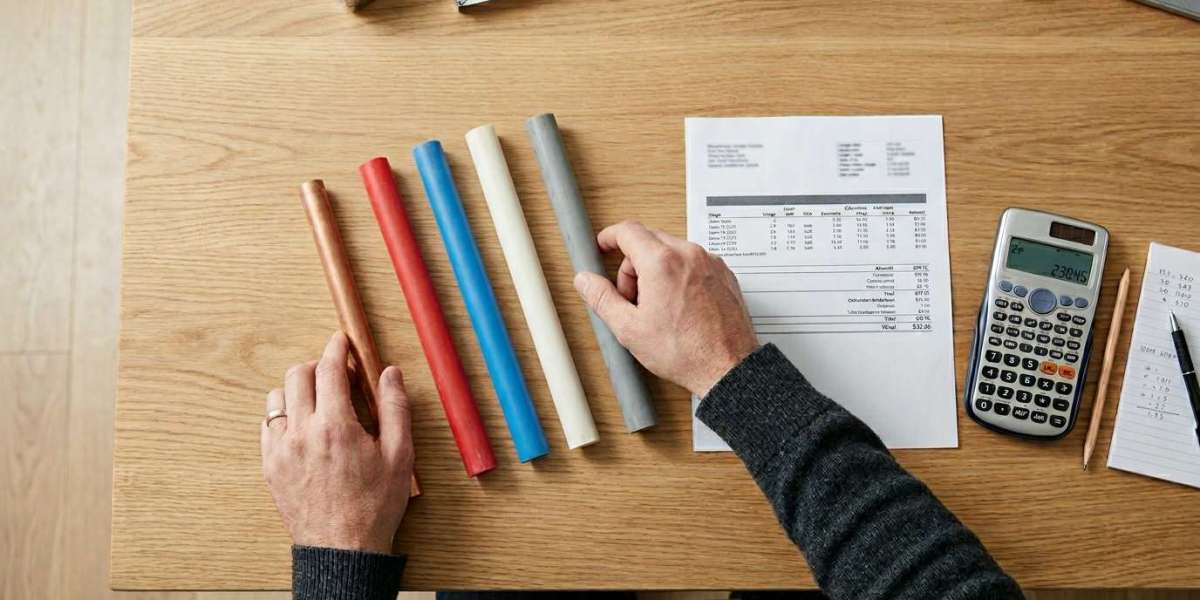
Traditional metal pipes such as copper or steel have high thermal conductivity. This means they transfer heat more quickly to the surrounding air, leading to greater energy loss during water movement.
On the other hand, modern plastic piping systems offer better thermal resistance. They slow down heat transfer, allowing water to maintain its temperature for a longer time. As a result, the heating system does not need to work as hard to maintain desired temperatures.
This is where advanced piping solutions from manufacturers like Plasco Pipes are increasingly used in modern construction due to their efficiency-focused design.
Distance and Heat Loss in Plumbing Systems
The length of piping also plays a role in energy consumption. In larger homes, hot water often travels long distances from the heater to different outlets such as bathrooms and kitchens.
If the pipe material does not retain heat well, significant energy is wasted along the way. This leads to:
- Longer waiting time for hot water
- Increased water heater usage
- Higher electricity or gas bills
- Reduced system efficiency
Choosing efficient piping materials helps minimize these losses.
Insulation Properties and Energy Efficiency
Pipe insulation is another factor influenced by material choice. Some piping systems naturally resist heat loss better than others, reducing the need for additional insulation layers.
Better insulation performance leads to:
- Lower energy consumption
- Faster hot water delivery
- Improved system efficiency
- Reduced operational costs
Even small improvements in thermal performance can create noticeable savings over time.
Long-Term Cost Benefits
Although pipe material may seem like a one-time construction decision, it has long-term financial effects. Efficient piping systems reduce strain on water heaters and lower energy usage consistently over years.
Homeowners benefit through:
- Reduced monthly utility bills
- Longer lifespan of heating systems
- Lower maintenance requirements
- Improved energy efficiency ratings
These advantages make material selection an important part of home planning.
Role of Modern Plumbing Solutions
Modern plumbing manufacturers focus on developing materials that balance durability, safety, and energy efficiency. Advanced piping systems used in residential construction are designed to minimize heat loss while ensuring reliable water flow.
Brands like Plasco Pipes contribute to this shift by offering solutions that support better thermal performance and long-term cost savings in residential projects.
Final Thoughts
Pipe material plays a much bigger role in water heating costs than most homeowners realize. While heating systems generate hot water, pipes determine how efficiently that heat is delivered throughout the home. By choosing materials with better thermal resistance and durability, homeowners can significantly reduce energy waste and improve system performance.
A well-designed plumbing system is not just about water flow—it is also about energy efficiency and long-term savings.