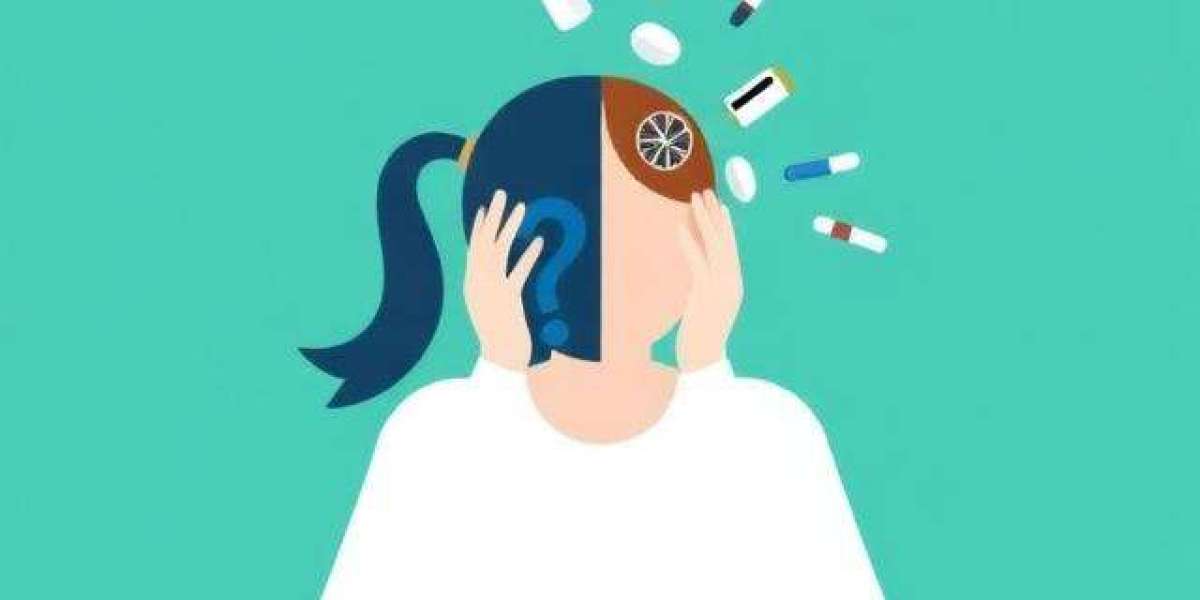
Anxiety and addiction often go hand in hand. Many people struggling with substance use disorders also experience persistent worry, panic attacks, social anxiety, or generalized anxiety symptoms. In some cases, anxiety develops first and leads people to use drugs or alcohol to cope. In others, prolonged substance use contributes to the development of anxiety disorders.
Regardless of which condition appears first, one fact remains clear: treating anxiety and addiction together often produces better outcomes than addressing either condition alone.
At Atlas Behavioral Health, treatment focuses on helping individuals heal physically, emotionally, and mentally through evidence-based care designed for long-term recovery.
Understanding the Connection Between Anxiety and Addiction
Anxiety disorders are among the most common mental health conditions in the United States. According to the National Institute of Mental Health (NIMH), millions of adults experience anxiety disorders each year.
When anxiety becomes overwhelming, some individuals turn to substances in an attempt to manage uncomfortable feelings. Alcohol, prescription medications, stimulants, and illicit drugs may seem to provide temporary relief.
Unfortunately, that relief usually doesn't last.
Substances often worsen anxiety symptoms over time, creating a cycle that becomes difficult to escape. Increased anxiety leads to substance use, and substance use eventually contributes to even greater emotional distress.
This pattern is known as co-occurring anxiety and substance use disorders and often requires integrated addiction treatment and mental health care.
Can Anxiety Lead to Drug Addiction?
The short answer is yes.
People living with untreated anxiety sometimes use substances to:
- Reduce nervousness in social situations
- Calm racing thoughts
- Improve sleep
- Escape feelings of fear or panic
- Manage chronic stress
This behavior is often called self-medication.
While self-medication may offer short-term comfort, repeated substance use changes brain chemistry and increases the risk of developing a substance use disorder.
Eventually, people may find themselves battling both conditions simultaneously.
Trying to solve anxiety with drugs can feel like fixing a leaking roof with a garden hose. It may seem helpful for a moment, but it often creates bigger problems down the road.
What Is Dual Diagnosis Treatment?
One of the most effective approaches for co-occurring conditions is dual diagnosis treatment.
Dual diagnosis treatment addresses both mental health disorders and substance use disorders at the same time.
Rather than treating addiction first and anxiety later, clinicians create integrated treatment plans that recognize how closely these conditions influence one another.
Dual diagnosis treatment for anxiety and addiction may include:
- Comprehensive psychiatric evaluations
- Individual therapy
- Group counseling
- Medication management
- Relapse prevention planning
- Family support services
- Behavioral therapies
This integrated approach helps individuals develop healthier coping skills while addressing the underlying causes of both conditions.
How Do You Treat Anxiety and Addiction Together?
Treating anxiety and addiction together requires personalized care.
Because every person's experience differs, treatment plans should reflect individual needs, recovery goals, and mental health history.
Common treatment strategies include:
Cognitive Behavioral Therapy (CBT)
CBT remains one of the most researched therapies for both anxiety and substance use disorders.
This approach helps individuals:
- Identify unhealthy thought patterns
- Challenge anxious thinking
- Develop healthier coping strategies
- Recognize substance use triggers
- Improve emotional regulation
Medication Management
Some individuals benefit from carefully monitored medications to help manage anxiety symptoms.
Healthcare providers evaluate each person's situation to determine whether medication may support recovery safely and appropriately.
Group Therapy
Group counseling provides connection, accountability, and peer support.
Many people discover they are not alone in their experiences, which often reduces shame and isolation.
Relapse Prevention Planning
Recovery involves more than stopping substance use.
Individuals learn how to:
- Manage stress effectively
- Recognize warning signs
- Respond to triggers
- Build supportive routines
- Maintain long-term wellness
Treatment Options for Co-Occurring Anxiety and Addiction
Several levels of care may support recovery, depending on symptom severity.
Outpatient Programs
Outpatient treatment allows individuals to receive therapy while maintaining work, school, or family responsibilities.
These programs often include:
- Individual counseling
- Group therapy
- Psychiatric support
- Educational sessions
Intensive Outpatient Programs (IOP)
IOPs provide more structured support while allowing participants to live at home.
This option may benefit individuals who need additional accountability without residential treatment.
Residential Treatment
People experiencing severe symptoms or unstable environments may require inpatient or residential care.
Residential programs offer:
- Around-the-clock support
- Structured schedules
- Comprehensive therapy services
- Safe recovery environments
Can Rehab Treat Anxiety Disorders?
Yes.
Modern addiction treatment programs increasingly recognize the importance of combining anxiety treatment with substance use recovery services.
Rehab for anxiety and drug addiction often includes licensed mental health professionals who specialize in treating co-occurring disorders.
These programs help individuals:
- Understand the connection between anxiety and addiction
- Develop practical coping skills
- Improve emotional resilience
- Address underlying trauma
- Create sustainable recovery plans
Treating only addiction while ignoring anxiety often leaves important pieces of the recovery puzzle unfinished.
Why Integrated Care Matters
Research from the Substance Abuse and Mental Health Services Administration (SAMHSA) supports integrated treatment approaches for co-occurring disorders.
When providers address both conditions together, individuals often experience:
- Improved treatment engagement
- Better symptom management
- Reduced relapse risk
- Stronger coping abilities
- Improved quality of life
Recovery works best when treatment reflects the full picture of a person's health.
People are more than their diagnoses. They deserve care that recognizes the complexity of their experiences and supports lasting healing.
Final Thoughts
Anxiety and addiction frequently occur together, creating challenges that can feel overwhelming without proper support.
The good news is that effective treatment exists.
Anxiety and drug addiction treatment should address both conditions simultaneously through evidence-based therapies, compassionate care, and individualized recovery planning.
Whether someone is exploring dual diagnosis treatment for anxiety and addiction, seeking answers about co-occurring anxiety and substance use disorders, or wondering how to treat anxiety and drug addiction at the same time, integrated care offers hope.
At Atlas Behavioral Health, recovery focuses on helping individuals build healthier coping skills, strengthen emotional well-being, and create a foundation for long-term healing.
Recovery is possible, and no one has to navigate it alone.