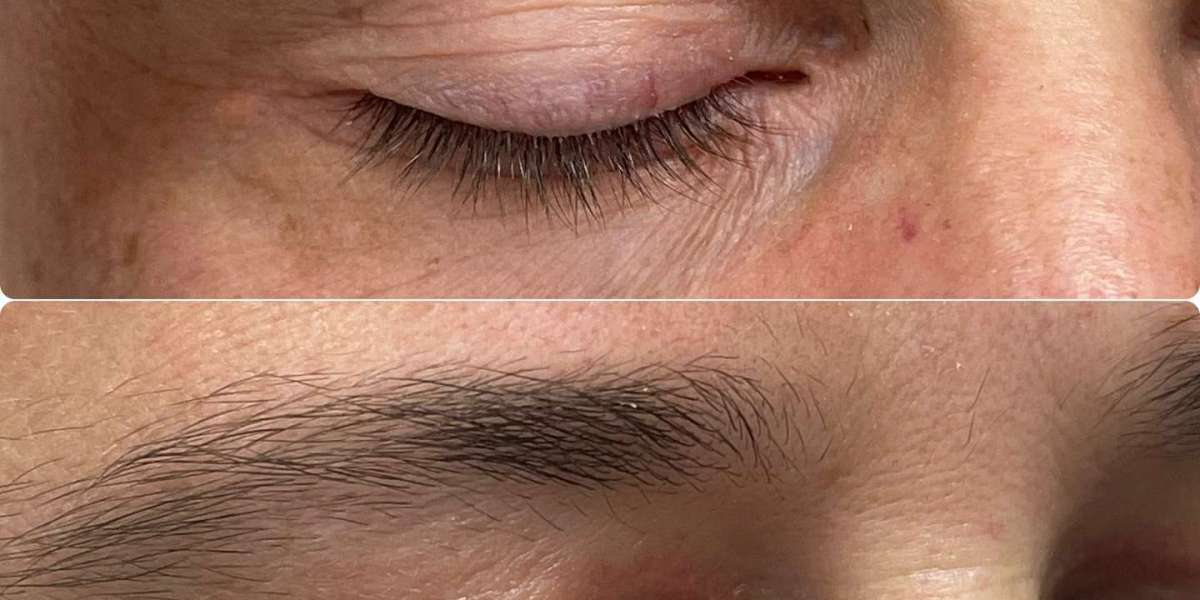
Xanthelasma is one of the most noticeable skin conditions that appear around the eyes, often presenting as soft, yellowish plaques on the upper or lower eyelids. These deposits are typically harmless but can be a visible sign of underlying lipid imbalance in the body. Many individuals first notice them as subtle discolorations that gradually become more pronounced over time, especially in adults with elevated cholesterol levels or metabolic irregularities. While the condition is not painful, its location makes it aesthetically concerning for many people, often leading them to explore options such as Eyelid Xanthelasma Removal in Dubai as a way to restore smoother and more uniform skin texture around the eyes. Understanding why these deposits form is essential in addressing both the cosmetic and internal health factors associated with them, as they often reflect more than just a surface-level skin issue.
What is Xanthelasma and Why It Appears
Xanthelasma refers to cholesterol-rich deposits that accumulate beneath the skin, most commonly around the inner corners of the eyelids. These plaques develop when lipids, particularly low-density lipoprotein (LDL), seep into the superficial layers of the skin and are engulfed by immune cells called macrophages. Over time, this leads to visible yellowish patches. Although they can occur in individuals with normal lipid levels, they are more frequently associated with hyperlipidemia or other metabolic conditions. Genetic predisposition also plays a role, meaning some individuals may develop these deposits even without significant lifestyle risk factors.
Link Between Cholesterol and Eyelid Fat Deposits
The relationship between cholesterol levels and xanthelasma is well established in dermatological observations. Elevated LDL cholesterol contributes to lipid accumulation in blood vessels and soft tissues, including the delicate skin of the eyelids. When the body is unable to efficiently process or clear excess fats, they begin to deposit in areas where the skin is thin and highly vascular. This is why the eyelids are particularly vulnerable. However, it is important to note that xanthelasma does not always indicate dangerously high cholesterol levels. In some cases, it may appear in individuals with normal lipid profiles, suggesting that local tissue response and genetic factors also influence its development.
Early Signs and Skin Changes Around Eyelids
The earliest signs of xanthelasma often begin as faint, soft, yellowish spots near the inner corners of the eyes. These patches may slowly enlarge or become more defined over time. The texture remains generally flat or slightly raised, and the skin itself is not usually inflamed or irritated. Because of their gradual development, many individuals overlook the early stages until the discoloration becomes more prominent. The cosmetic impact becomes more noticeable as the lesions expand, prompting individuals to seek options like Eyelid Xanthelasma Removal when the condition begins to affect facial appearance and self-confidence. In some cases, multiple patches may merge, forming larger plaques that are more visually distinct.
Treatment Approaches for Xanthelasma
Management of xanthelasma typically focuses on both cosmetic correction and underlying metabolic balance. Since the deposits are composed of lipid-laden cells, simple topical approaches are often insufficient for complete resolution. Treatment strategies may include physical removal techniques that target the affected skin layers. These approaches aim to eliminate visible plaques while minimizing damage to surrounding tissue. The choice of method often depends on the size, depth, and number of lesions. In addition, addressing cholesterol levels through lifestyle modification plays a supportive role in reducing the likelihood of recurrence, although it does not guarantee complete prevention of future deposits.
Modern Non-Invasive and Minimally Invasive Options
Advancements in dermatological care have introduced several modern approaches that focus on precision and minimal tissue disruption. These include energy-based techniques that carefully target lipid deposits without extensive surgical intervention. Such methods are designed to reduce healing time and improve cosmetic outcomes, particularly in sensitive areas like the eyelids. Surface treatments may also be used in early or superficial cases, helping to gradually lighten or reduce plaque visibility. Despite these innovations, recurrence remains a possibility, especially if underlying lipid imbalance is not addressed. Therefore, a comprehensive approach that combines aesthetic treatment with systemic health awareness is considered most effective.
Aftercare and Prevention of Recurrence
Aftercare plays a crucial role in maintaining results and reducing the likelihood of xanthelasma returning. The delicate skin around the eyes requires gentle care, protection from irritation, and proper hydration during the healing phase. Patients are generally advised to avoid excessive rubbing or exposure to harsh environmental factors during recovery. Long-term prevention focuses on maintaining healthy lipid levels through balanced nutrition and regular physical activity. Monitoring cholesterol periodically can also help identify potential risks early. While treatment can effectively remove existing deposits, sustained lifestyle management is key to minimizing recurrence and preserving clear skin around the eyes.
Lifestyle and Cholesterol Management Impact on Skin Health
Skin health is closely linked to internal metabolic balance, particularly lipid metabolism. Diets high in saturated fats and processed foods can contribute to elevated cholesterol levels, increasing the likelihood of lipid-related skin conditions. Conversely, diets rich in fiber, antioxidants, and healthy fats support better cardiovascular and dermatological health. Regular exercise also enhances lipid metabolism, helping the body regulate cholesterol more effectively. Hydration, stress management, and sleep quality further influence skin appearance and overall metabolic function. Although xanthelasma is often treated cosmetically, addressing these systemic factors provides a more holistic approach to long-term skin clarity.
Psychological and Aesthetic Concerns
Beyond its physical presence, xanthelasma can have a noticeable psychological impact due to its location on the face. The eyelids are one of the most visible and expressive areas, making any discoloration or irregularity more prominent in social interactions. Many individuals report reduced self-confidence or discomfort in appearance as the condition progresses. This emotional aspect often becomes a motivating factor for seeking treatment. While medically benign, the cosmetic visibility of xanthelasma underscores the importance of addressing both aesthetic concerns and underlying health contributors in a balanced manner.
Book Us
Book Us for professional guidance and tailored care options designed to address eyelid concerns with precision and attention to detail. Many individuals exploring Eyelid Xanthelasma Removal seek solutions that not only improve skin appearance but also support long-term skin health and confidence. With a focus on advanced aesthetic approaches, Enfield Royal Clinic Dubai offers supportive care pathways that prioritize both cosmetic refinement and overall skin wellness, helping individuals achieve smoother and more balanced eyelid appearance without compromising natural facial harmony.