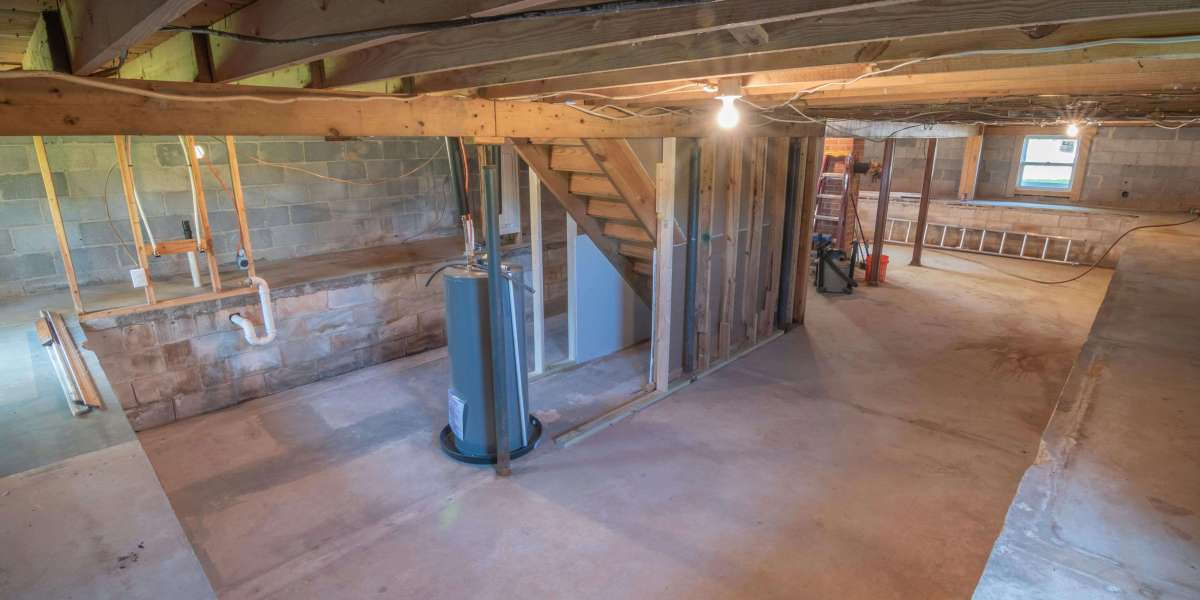
When it comes to improving your home’s energy efficiency, many homeowners focus on obvious areas like windows, doors, and roofing. However, one of the most overlooked yet crucial aspects is basement insulation. Proper insulation in your basement can drastically reduce energy costs, improve comfort, and even enhance the longevity of your home. In this article, we’ll explore why energy efficiency starts with quality basement insulation and how professional basement insulation services can make a difference.
Why Basement Insulation Matters
Basements are often the least insulated parts of a home, making them a major source of energy loss. Cold air tends to seep in through foundation walls, floors, and gaps around windows. In the winter, this can lead to higher heating costs, while in the summer, heat from the ground can raise cooling expenses.
Investing in proper basement insulation not only prevents energy loss but also provides additional benefits such as:
- Improved Indoor Comfort: Insulated basements maintain a more consistent temperature, preventing cold drafts and moisture problems.
- Reduced Energy Bills: By keeping your basement insulated, your heating and cooling systems don’t have to work as hard.
- Moisture and Mold Prevention: Quality insulation can help reduce humidity and prevent mold growth in damp basement areas.
- Enhanced Home Value: A well-insulated basement can be more attractive to buyers and increase overall property value.
Types of Basement Insulation
When it comes to insulating a basement, there are several options, each with its own advantages. Professional basement insulation services can help determine the best solution for your home:
- Rigid Foam Insulation
Rigid foam boards are perfect for basement walls and provide a high R-value, which measures thermal resistance. They are resistant to moisture and help prevent mold and mildew. - Spray Foam Insulation
Spray foam insulation is applied directly to walls and gaps, creating an airtight seal. This method is excellent for irregularly shaped spaces and areas prone to moisture. - Fiberglass Batt Insulation
Fiberglass insulation is affordable and effective. It’s easy to install but requires a vapor barrier to prevent moisture issues in basements. - Mineral Wool Insulation
Mineral wool offers fire resistance, soundproofing, and moisture protection. It’s an eco-friendly option for homeowners seeking durability and safety.
Signs Your Basement Needs Insulation
Knowing when to invest in basement insulation services can save both money and stress. Some common signs that your basement may require insulation include:
- Noticeable temperature differences between your basement and other floors
- High energy bills despite regular HVAC use
- Dampness or condensation on walls and windows
- Musty odors or signs of mold growth
If any of these signs are present, it’s time to consider professional insulation services to boost energy efficiency.
Benefits of Professional Basement Insulation Services
While DIY insulation projects may seem tempting, hiring a professional ensures proper installation and long-term effectiveness. Here’s why investing in professional services is worthwhile:
- Expert Assessment: Professionals assess your basement’s unique conditions, including moisture levels and structural concerns.
- Quality Materials: Experts use high-quality insulation materials that provide maximum energy efficiency.
- Precision Installation: Correct installation prevents gaps, compression, or moisture intrusion that can reduce effectiveness.
- Compliance and Safety: Professionals follow building codes and safety standards to protect your home and family.
Energy Savings and Environmental Impact
A well-insulated basement doesn’t just save money—it also benefits the environment. By reducing energy consumption, you lower your carbon footprint and contribute to a more sustainable home. Studies show that proper insulation can reduce heating and cooling costs by up to 20%, making it a smart long-term investment for both your wallet and the planet.
Tips for Maintaining Basement Insulation
After installing insulation, proper maintenance is essential for long-term energy efficiency:
- Check for moisture regularly and address leaks promptly
- Inspect insulation for compression or gaps annually
- Ensure proper ventilation to prevent humidity build-up
- Consider upgrading insulation if your basement undergoes renovations
Following these practices helps your insulation perform at its best, keeping your basement comfortable and energy-efficient year-round.
Choosing the Right Basement Insulation Service
When selecting a provider for basement insulation services, look for the following qualities:
- Proven experience and customer reviews
- Knowledge of local building codes and climate considerations
- Availability of multiple insulation options
- Professional assessment and warranty on work
A reputable service provider ensures that your basement insulation is installed correctly, maximizing energy efficiency and comfort.
Conclusion
Energy efficiency starts from the ground up—literally. A properly insulated basement not only reduces energy bills but also enhances comfort, prevents moisture problems, and increases your home’s overall value. Investing in professional basement insulation services ensures that the job is done right, providing long-lasting benefits for your home and the environment.
Don’t overlook your basement when considering energy efficiency improvements. With the right insulation, you can enjoy a warmer, drier, and more cost-effective home year-round.