Electricity powers almost every aspect of modern life, from lighting and appliances to heating and entertainment systems. But while we rely on electricity daily, the wiring that delivers it safely is often overlooked—especially in older homes. Aging wiring is not just an inconvenience; it can pose serious safety hazards if left unaddressed. Understanding the risks and knowing when to seek electric wiring repair is crucial for protecting your home and family.
Why Aging Wiring Becomes a Problem
Over time, electrical wiring can degrade due to multiple factors. Homes built decades ago often have wiring systems that were not designed to handle the electrical demands of today’s devices. Here are some common issues associated with aging wiring:
1. Wear and Tear
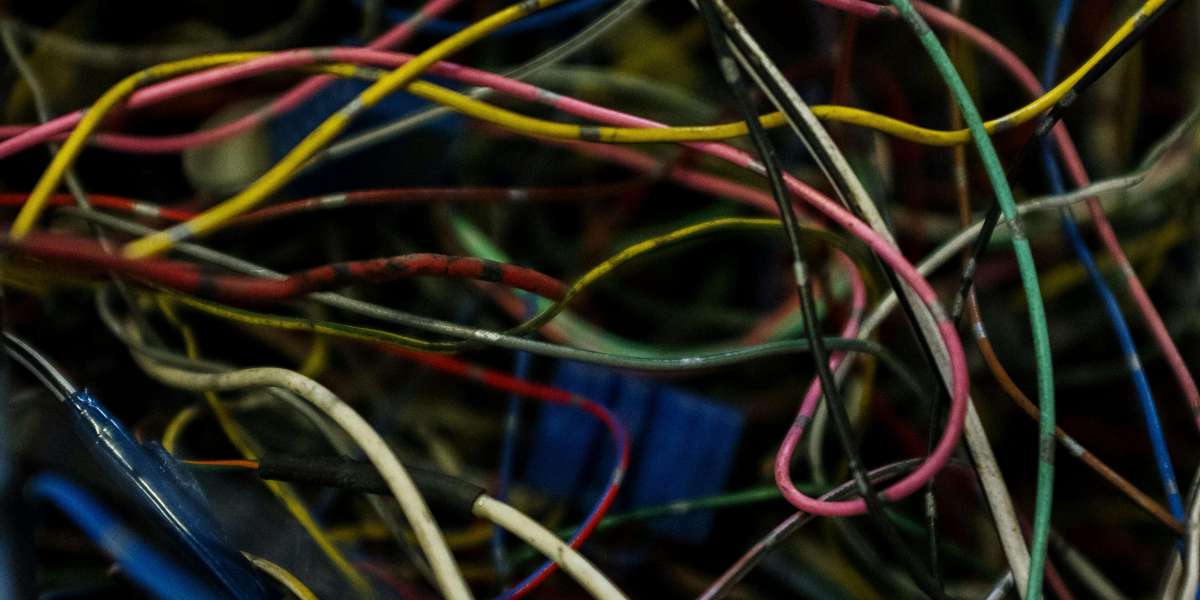
Insulation on wires can crack, fray, or become brittle over the years. Exposed wires increase the risk of electric shock and short circuits, potentially leading to fires.
2. Outdated Materials
Homes constructed in the mid-20th century or earlier may have wiring made from materials like aluminum or cloth-covered copper. These materials are more prone to overheating, corrosion, and failure compared to modern wiring standards.
3. Overloaded Circuits
Older wiring was often designed for fewer appliances. Today’s homes use multiple high-wattage devices simultaneously, which can overload old circuits, trip breakers, or cause sparks.
4. Faulty Connections
Connections in older wiring systems can loosen over time, creating resistance points where heat can build up, again increasing fire risk.
Signs That Your Wiring Needs Attention
Recognizing the warning signs of aging wiring can prevent accidents and costly damage. Common indicators include:
- Flickering or dimming lights when appliances are used.
- Frequent circuit breaker trips or blown fuses.
- Buzzing sounds from outlets or switches.
- Discolored or warm outlet covers.
- Burning smells or scorch marks near electrical outlets.
If you notice any of these warning signs, it’s time to contact a professional for electric wiring repair. Don’t wait until a minor issue becomes a major hazard.
The Safety Risks of Aging Wiring
Aging wiring can compromise your home’s safety in several ways:
1. Fire Hazards
Electrical fires are a leading cause of residential fires. Frayed wires, overloaded circuits, and faulty connections can ignite materials in your home, causing extensive damage.
2. Electric Shock
Damaged or exposed wiring increases the risk of electric shock, which can be fatal, especially in areas like bathrooms and kitchens where water is present.
3. Appliance Damage
Old or unstable wiring can damage appliances and electronics. Voltage fluctuations or power surges may reduce the lifespan of your devices or render them unusable.
4. Insurance Issues
Many insurance companies require up-to-date wiring for coverage. Homes with outdated electrical systems may face higher premiums or claim denials in case of fire or other electrical damage.
Common Types of Outdated Wiring
Understanding the types of wiring in older homes helps homeowners make informed repair decisions:
- Knob-and-Tube Wiring: Found in homes built before the 1950s, this system lacks grounding and is highly susceptible to insulation deterioration.
- Aluminum Wiring: Common in the 1960s and 1970s, aluminum wires can oxidize, leading to loose connections and overheating.
- Cloth-Covered Wiring: The fabric insulation used in early 20th-century homes can degrade and easily ignite if exposed.
Professional electric wiring repair specialists can assess these systems and recommend upgrades that meet modern safety standards.
The Role of Professional Electric Wiring Repair
Attempting DIY fixes on old wiring can be dangerous and illegal in some areas. Hiring a licensed electrician ensures that your home meets safety codes and reduces the risk of accidents. Services typically include:
- Full electrical inspections to identify weak points and hazards.
- Replacing outdated or damaged wiring.
- Installing modern circuit breakers and outlets for safer energy distribution.
- Upgrading grounding systems for better protection.
Regular inspections and timely repairs are key to maintaining a safe home environment.
Preventive Measures for Homeowners
While professional repair is essential, homeowners can take steps to reduce risks:
- Avoid overloading outlets and extension cords.
- Regularly inspect visible wiring and outlets for damage.
- Replace frayed cords on appliances immediately.
- Schedule periodic electrical inspections, especially for homes over 30 years old.
Being proactive can save you from costly repairs and prevent potential injuries.
Conclusion
Aging wiring is more than an inconvenience—it’s a serious safety concern that can lead to fires, shocks, and damage to your home and appliances. Recognizing the signs of deteriorating wiring and scheduling professional electric wiring repair is crucial. By addressing outdated systems promptly, you ensure your home remains a safe and comfortable place for your family.
Invest in your home’s safety today. Contact a licensed electrician to evaluate your electrical system and make the necessary repairs before small problems turn into major hazards.