The logistics industry operates in an environment where efficiency, visibility, and timely deliveries directly impact customer satisfaction and profitability. Whether managing a small delivery fleet or a large transportation network, logistics companies face daily challenges such as vehicle tracking, route optimization, fuel management, driver monitoring, and asset security.
This is why more businesses are investing in Fleet Management GPS Trackers. These advanced tracking solutions provide real-time visibility into fleet operations, helping logistics companies improve efficiency, reduce costs, and enhance customer service. If your organization is looking to stay competitive in 2026 and beyond, a fleet management GPS tracker is no longer an option—it is a necessity.
What Is a Fleet Management GPS Tracker?
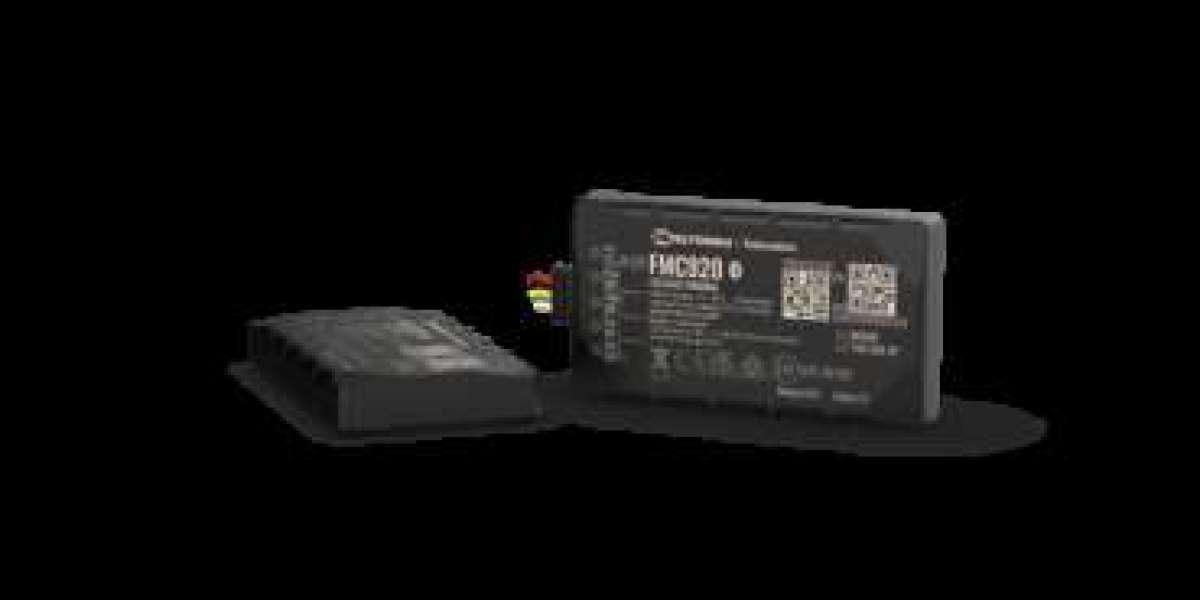
A Fleet Management GPS Tracker is a telematics device installed in vehicles to provide real-time location tracking, route monitoring, vehicle diagnostics, and operational insights. Using GPS, GNSS, cellular networks, and cloud-based software, fleet managers can monitor vehicles and drivers from anywhere.
Modern GPS tracking systems deliver accurate data that helps businesses make informed decisions while improving fleet performance.
The Growing Challenges in Logistics Operations
Logistics companies today must manage:
- Rising fuel costs
- Increasing customer expectations
- Delivery delays
- Vehicle theft risks
- Driver safety concerns
- Maintenance expenses
- Regulatory compliance requirements
Without a reliable fleet tracking solution, managing these challenges becomes increasingly difficult. A Fleet Management GPS Tracker provides the visibility and control needed to overcome these operational obstacles.
Why Every Logistics Company Should Invest in a Fleet Management GPS Tracker
- Real-Time Fleet Visibility
Knowing the exact location of every vehicle at any moment is crucial for logistics operations.
A Fleet Management GPS Tracker enables businesses to:
- Monitor vehicles in real time
- Track shipment progress
- Improve dispatch operations
- Respond quickly to delays
- Enhance customer communication
Real-time visibility allows managers to make proactive decisions and keep operations running smoothly.
- Route Optimization and Faster Deliveries
Inefficient routes increase fuel consumption, delivery times, and operational costs.
GPS tracking solutions help logistics companies:
- Identify optimal routes
- Avoid traffic congestion
- Reduce unnecessary mileage
- Improve delivery schedules
- Increase vehicle utilization
Optimized routing translates directly into cost savings and improved customer satisfaction.
- Reduced Fuel Costs
Fuel expenses are among the largest operational costs for logistics companies.
Fleet Management GPS Trackers help reduce fuel consumption by:
- Monitoring idling time
- Detecting inefficient driving behavior
- Optimizing travel routes
- Reducing unauthorized vehicle usage
Even small improvements in fuel efficiency can generate substantial annual savings for businesses operating large fleets.
- Improved Driver Performance
Driver behavior significantly impacts safety, maintenance costs, and fuel efficiency.
GPS tracking systems can monitor:
- Harsh braking
- Rapid acceleration
- Excessive speeding
- Unauthorized vehicle use
- Driver working hours
This data helps fleet managers provide targeted training and improve overall driver performance.
- Enhanced Vehicle Security
Vehicle theft remains a major concern for logistics companies.
A Fleet Management GPS Tracker provides:
- Real-time location monitoring
- Theft alerts
- Geofencing notifications
- Vehicle recovery support
- Unauthorized movement detection
These features help protect valuable assets and minimize financial losses.
- Better Fleet Maintenance Management
Unexpected vehicle breakdowns can disrupt deliveries and increase costs.
GPS tracking solutions help businesses:
- Monitor vehicle usage
- Schedule preventive maintenance
- Track engine performance
- Reduce downtime
- Extend vehicle lifespan
Proactive maintenance management improves fleet reliability and operational efficiency.
- Improved Customer Service
Customers increasingly expect accurate delivery updates and transparency.
Fleet Management GPS Trackers allow logistics companies to:
- Provide real-time delivery information
- Improve estimated arrival times
- Respond quickly to customer inquiries
- Increase delivery reliability
Better visibility creates a stronger customer experience and helps build long-term business relationships.
Industries Benefiting from Fleet Management GPS Trackers
Logistics and Transportation
Track trucks, delivery vehicles, trailers, and cargo across multiple routes.
Courier and Last-Mile Delivery Services
Improve delivery accuracy and optimize driver performance.
E-Commerce Distribution
Manage growing delivery volumes while maintaining service quality.
Construction and Heavy Equipment Transportation
Monitor vehicle locations and equipment movement between job sites.
Utility and Field Service Operations
Track service vehicles and improve workforce efficiency.
Key Features to Look for When Buying a Fleet Management GPS Tracker
When selecting a GPS tracking solution, consider the following features:
Real-Time Tracking
Provides live vehicle location updates for complete fleet visibility.
4G LTE Connectivity
Ensures reliable communication and future-ready performance.
Driver Behavior Monitoring
Helps improve safety and operational efficiency.
Geofencing Capabilities
Creates virtual boundaries and generates alerts when vehicles enter or leave designated areas.
Maintenance Alerts
Supports preventive maintenance scheduling and vehicle health monitoring.
Cloud-Based Fleet Management Platform
Offers centralized access to tracking data and reporting tools.
Backup Battery
Maintains tracking functionality even when vehicle power is disconnected.
Calculating the Return on Investment
Many logistics companies hesitate to invest in GPS tracking technology because they focus solely on upfront costs. However, the long-term benefits often outweigh the initial investment.
Potential savings include:
- Lower fuel expenses
- Reduced vehicle downtime
- Improved route efficiency
- Enhanced driver productivity
- Fewer theft-related losses
- Better customer retention
For many businesses, GPS tracking systems begin delivering measurable returns within months of deployment.
Why Now Is the Right Time to Invest
The logistics industry is becoming increasingly competitive, and companies that embrace technology gain a significant advantage. Fleet Management GPS Trackers provide the data, visibility, and operational control needed to improve performance and profitability.
Modern solutions are more affordable, scalable, and feature-rich than ever before, making them accessible for fleets of all sizes.
Conclusion
A Fleet Management GPS Tracker is one of the most valuable investments a logistics company can make. From real-time vehicle monitoring and route optimization to fuel savings, theft prevention, and improved customer service, GPS tracking technology helps businesses operate more efficiently while reducing costs.
If your organization wants to improve fleet visibility, increase delivery performance, and gain a competitive edge in today's logistics market, investing in a reliable Fleet Management GPS Tracker is a smart business decision. The right solution will not only streamline operations but also support long-term growth and profitability in an increasingly demanding industry.
Read More: https://tecsysproductguides.blogspot.com/2026/06/why-every-logistics-company-needs-fleet.html