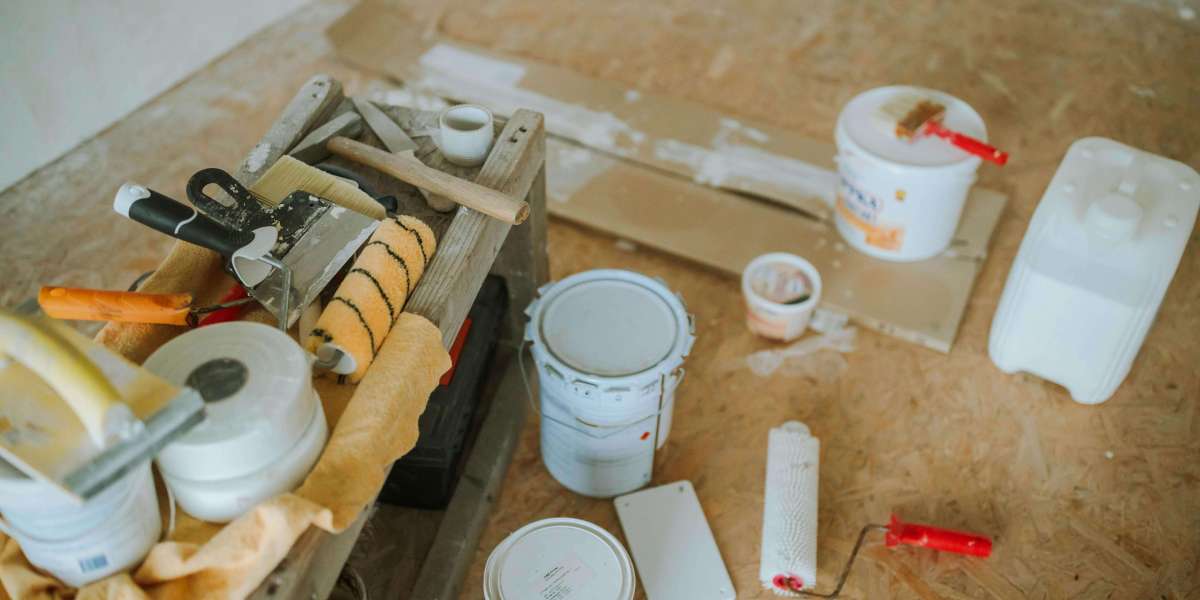
Maintaining a professional and appealing interior is essential for any business. The condition of your walls and ceilings not only reflects your brand image but also affects the overall atmosphere of your workplace. One of the most effective ways to ensure your business space stays inviting and vibrant is through commercial interior painting. However, painting is just the beginning—regular maintenance is key to preserving that fresh look. Here are some practical tips to keep your commercial interiors looking immaculate.
1. Choose High-Quality Paints
The longevity of your commercial interior painting project starts with the quality of paint. High-quality paints are more resistant to fading, stains, and chipping. Look for paints labeled as durable or washable, especially for high-traffic areas like lobbies, hallways, and conference rooms. While premium paints may cost more initially, they save money in the long run by reducing the frequency of touch-ups.
2. Regular Cleaning is Essential
Walls accumulate dust, fingerprints, and grime over time. Regular cleaning prevents these imperfections from becoming permanent. For painted surfaces, use a soft cloth or sponge with mild soap and water. Avoid harsh chemicals that could damage the paint finish. In areas prone to heavy soil, such as break rooms or reception areas, establish a weekly or bi-weekly cleaning schedule. Maintaining cleanliness helps the paint retain its vibrant look and keeps your interiors inviting.
3. Address Minor Damages Immediately
Even minor scratches, scuffs, or chips can make a space look neglected. With commercial interior painting, small imperfections can often be repaired quickly using touch-up paint. Keep leftover paint from the original project for these touch-ups. Promptly repairing damages not only preserves the aesthetics but also extends the life of the paint, reducing the need for costly full repaints.
4. Protect High-Traffic Areas
High-traffic areas such as corridors, entryways, and near elevators are more prone to wear and tear. Installing protective measures like corner guards, wall panels, or even subtle wainscoting can minimize damage to freshly painted surfaces. Additionally, strategically placed rugs and mats can help prevent scuff marks near entrances.
5. Maintain Proper Lighting
Good lighting enhances the appearance of your paintwork. Dim or uneven lighting can make walls appear dull or highlight imperfections. Regularly check that your commercial space has adequate, well-distributed lighting. Updating your light fixtures or switching to energy-efficient LEDs can provide brighter, consistent illumination that complements your commercial interior painting efforts.
6. Use Accent Walls Wisely
Accent walls are a popular trend in commercial interior painting, adding character and depth to your space. However, they require careful maintenance. Darker or bold-colored walls are more susceptible to visible marks. Consider placing accent walls in areas with minimal direct contact and avoid placing furniture that might scratch the surface. Regular inspection and cleaning of these walls help maintain their striking appeal.
7. Schedule Professional Maintenance
While daily upkeep is important, periodic professional maintenance ensures your walls stay in top condition. Professional painters can perform touch-ups, clean surfaces with appropriate tools, and apply protective coatings that extend the life of your paint. A maintenance schedule, such as every 2-3 years depending on foot traffic, can significantly reduce the need for a complete repaint.
8. Control Indoor Climate
Temperature and humidity play a significant role in the durability of your paint. Excess moisture can lead to peeling or bubbling, while extreme heat may cause cracking. Maintaining a stable indoor climate with proper ventilation, HVAC systems, and humidity control prevents damage and preserves the fresh appearance of your commercial interior painting.
9. Educate Staff and Visitors
In a commercial setting, staff and visitors inadvertently impact the condition of walls. Encouraging simple practices, such as avoiding leaning chairs against walls or handling walls with care, can prevent scratches and stains. Signage near high-traffic areas or gentle reminders can reduce accidental damage, keeping your interior painting looking pristine longer.
10. Plan for Periodic Refreshing
Even with careful maintenance, paint eventually shows signs of aging. Planning for periodic refreshes, such as every 5-7 years for standard office spaces, ensures your interiors always feel contemporary and welcoming. A fresh coat of paint not only revitalizes your business space but also boosts employee morale and leaves a positive impression on clients and visitors.
Conclusion
Investing in commercial interior painting is an investment in your business’s image. While the initial painting process sets the foundation, ongoing maintenance ensures that your interiors remain fresh, professional, and visually appealing. From choosing high-quality paints to regular cleaning, prompt touch-ups, and climate control, these strategies collectively prolong the life of your paint and enhance your workspace environment. By implementing these tips, your commercial space will continue to impress clients and create a productive atmosphere for employees for years to come.