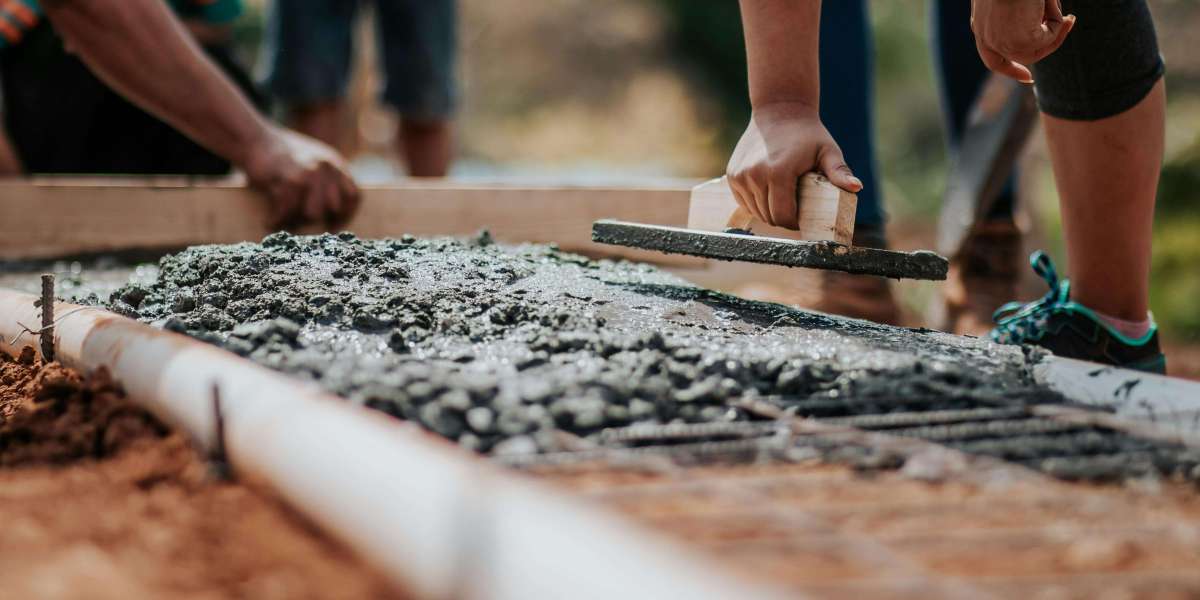
A home’s foundation is its backbone, and for properties with slab foundations, maintaining this structural base is critical. Neglecting the health of your slab can lead to expensive repairs, decreased property value, and potential safety hazards. In this guide, we’ll explore practical slab foundation maintenance tips to help homeowners protect their investment and prevent costly damage.
Understanding Slab Foundations
A slab foundation is a single, thick concrete layer that rests directly on the ground. Unlike crawl spaces or basements, slab foundations provide a solid base for the entire home. While durable, these foundations are not immune to problems. Cracks, settling, water damage, and soil shifts can compromise the integrity of a slab, leading to the need for slab foundation repair.
Recognizing potential issues early is the key to preventing small problems from becoming major repairs.
Common Causes of Slab Foundation Issues
Several factors can threaten the stability of a slab foundation, including:
- Soil Movement: Expansive clay soils can swell or shrink with moisture changes, putting pressure on your slab.
- Water Damage: Poor drainage, leaking pipes, or heavy rainfall can erode soil beneath the foundation.
- Tree Roots: Large trees close to your home can push against the foundation or absorb moisture unevenly, causing settling.
- Improper Construction: Poorly compacted soil or insufficient reinforcement during installation can lead to uneven settling.
Understanding these causes helps homeowners implement preventive measures before serious damage occurs.
Essential Slab Foundation Maintenance Tips
1. Monitor for Cracks and Signs of Damage
Cracks are one of the earliest indicators of slab issues. Inspect your foundation at least twice a year, looking for:
- Horizontal or vertical cracks in walls or floors
- Doors and windows that stick or fail to close properly
- Uneven flooring or sloping areas
While small hairline cracks are sometimes normal, larger or spreading cracks may require professional slab foundation repair. Early detection allows for timely intervention and prevents further structural damage.
2. Control Moisture Around the Foundation
Water is a slab foundation’s worst enemy. Excess moisture can weaken the soil, causing settling and cracks. To protect your foundation:
- Maintain a proper slope around your home to direct water away from the slab
- Clean and maintain gutters to prevent water overflow near the foundation
- Avoid overwatering lawns close to your home’s perimeter
Installing a French drain or other drainage solutions can also reduce water pressure on the foundation and help prevent the need for costly slab foundation repair.
3. Maintain Landscaping and Trees
Tree roots and landscaping near the foundation can disrupt soil stability. Take these steps:
- Plant trees at a safe distance from your home
- Avoid large shrubs directly adjacent to the foundation
- Trim roots that encroach on the slab to reduce pressure
Regular landscaping maintenance ensures that vegetation doesn’t inadvertently damage your foundation over time.
4. Inspect Plumbing and Water Lines
Leaking pipes beneath a slab foundation can cause soil erosion and voids under the concrete. Signs of plumbing issues include:
- Wet spots on the floor
- Unexplained increases in water bills
- Low water pressure
Addressing plumbing problems promptly can prevent significant foundation damage and minimize the need for slab foundation repair.
5. Maintain Consistent Soil Moisture
Extreme fluctuations in soil moisture levels can cause the soil to expand or contract, leading to foundation movement. To maintain consistent soil conditions:
- Water the soil around your foundation during dry periods
- Avoid sudden flooding or excessive watering
- Use mulch around plants near the foundation to retain soil moisture
Consistent moisture helps stabilize the soil and reduces the risk of cracks or settling in your slab foundation.
6. Professional Foundation Inspections
Even with diligent care, some issues may not be visible to the untrained eye. Scheduling regular professional inspections can:
- Identify minor cracks or shifts before they worsen
- Detect drainage or plumbing problems affecting the slab
- Provide expert advice on preventative maintenance or slab foundation repair
A licensed foundation specialist can recommend the most effective solutions, saving homeowners thousands in potential repairs.
7. Address Minor Issues Promptly
If you notice minor cracks or settling, don’t ignore them. Early intervention can often prevent more severe damage. Small foundation repairs, like epoxy injections for cracks, are significantly less costly than major reconstruction.
Ignoring warning signs can result in structural damage, uneven floors, and increased repair costs, making slab foundation repair a more extensive and expensive project.
Benefits of Proactive Slab Foundation Maintenance
Investing time and effort in foundation care provides multiple benefits:
- Cost Savings: Preventing damage is much cheaper than large-scale repairs.
- Structural Integrity: Maintains the safety and stability of your home.
- Property Value: A well-maintained foundation supports long-term property value.
- Peace of Mind: Homeowners can feel confident knowing their foundation is secure.
When to Call a Professional
If you notice any of the following signs, contact a foundation repair specialist immediately:
- Cracks wider than ¼ inch
- Doors or windows sticking consistently
- Uneven floors or noticeable slopes
- Signs of water damage or soil erosion
Prompt action ensures that minor issues are handled before they escalate, reducing the need for extensive slab foundation repair.
Conclusion
Preventing costly damage to your slab foundation requires proactive care, regular inspections, and attention to the surrounding environment. By monitoring for cracks, controlling moisture, maintaining landscaping, checking plumbing, and consulting professionals, homeowners can protect their investment and avoid expensive repairs.
A strong, well-maintained foundation supports not just the structure of your home, but also your peace of mind. Don’t wait for problems to appear—start implementing these slab foundation maintenance tips today and safeguard your property for years to come.