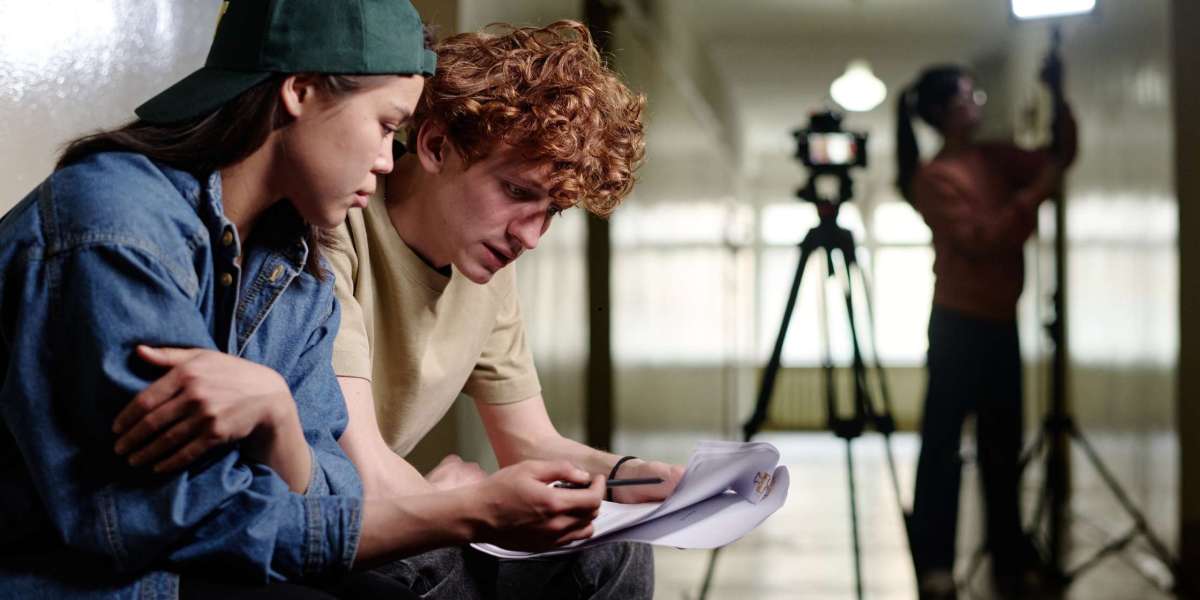
Creating an independent film production on a tight budget is challenging, but it’s also where true creativity thrives. Low-budget filmmaking forces you to think smarter, maximize limited resources, and craft powerful stories without depending on major studio funding. Whether you're a beginner or a passionate indie creator, these practical tips will help you take your project from idea to screen with confidence.
1. Start With a Strong, Resource-Friendly Script
A low-budget film begins with a script that works within your limitations.
Fewer locations
Limited cast
Minimal props
Practical effects instead of expensive VFX
When you write your script around what you already have access to—your home, your friend's café, or local streets—you automatically reduce production costs.
2. Build a Small but Skilled Crew
You don’t need a huge team. A tight, passionate crew can be more efficient.
Hire multi-skilled individuals
Encourage collaboration
Offer creative freedom
Many indie filmmakers work with cinematographers or sound designers who are looking to build their portfolio, making it easier to negotiate friendly budgets.
3. Use Natural Lighting Whenever Possible
Lighting equipment can be expensive, but sunlight is free.
Shoot during golden hour for cinematic visuals
Use reflectors to control natural light
Position actors near windows for indoor scenes
Smart planning can help you capture stunning visuals without renting high-end lights.
4. Shoot With Gear You Already Have
Today’s independent producers often shoot entire films on DSLR cameras, mirrorless setups, or even smartphones.
Stabilize your shots with affordable gimbals
Use external microphones for clean sound
Rent gear only when absolutely necessary
This approach keeps your production lean and efficient.
5. Choose Locations Wisely
Location costs can drain your budget if not handled carefully.
Use public areas that don’t require permits
Negotiate with local businesses
Shoot in homes or properties of friends/family
Always scout your location in advance to plan sound, lighting, and logistics.
6. Prioritize High-Quality Audio
Audiences can forgive average visuals but never poor sound.
Invest in:
A decent lavalier or shotgun mic
Simple sound blankets
Quiet shooting environments
Clear audio instantly elevates the professionalism of your film.
7. Keep Your Shooting Schedule Tight
Time equals money.
A well-planned schedule helps avoid overtime, delays, and unnecessary reshoots.
Break down your script
Create a scene-by-scene shooting plan
Stick to deadlines
The more organized your workflow, the smoother (and cheaper) your production becomes.
8. Use Practical Effects Over Costly VFX
Practical effects—like fake blood, atmospheric smoke, or DIY props—often look more realistic than digital alternatives and cost much less. Creativity wins over budget here.
9. Edit Smartly with Affordable Software
Free or low-cost editing tools are powerful enough for indie films.
Options include:
DaVinci Resolve
HitFilm Express
Adobe Premiere Elements
Use free sound effects, stock footage, and royalty-free music to enhance your film without overspending.
10. Take Advantage of Community Support
Low-budget films grow through collaboration.
Film clubs
Local art communities
Student filmmakers
Actor networks
Many creatives are willing to support indie projects for credit, experience, or portfolio use.
11. Use Festivals and Online Platforms for Distribution
Once your film is complete, you can showcase it through:
Local film festivals
Independent film competitions
YouTube or Vimeo
OTT platforms open to indie submissions
This helps your film reach audiences without distribution fees.
Final Thoughts
Low-budget independent filmmaking isn’t about limitations - it’s about innovation. When you combine resourcefulness, smart planning, and a powerful story, you can create meaningful cinema without breaking the bank. Remember: many iconic filmmakers started small, learning to stretch every rupee, dollar, or pound to bring their vision to life.