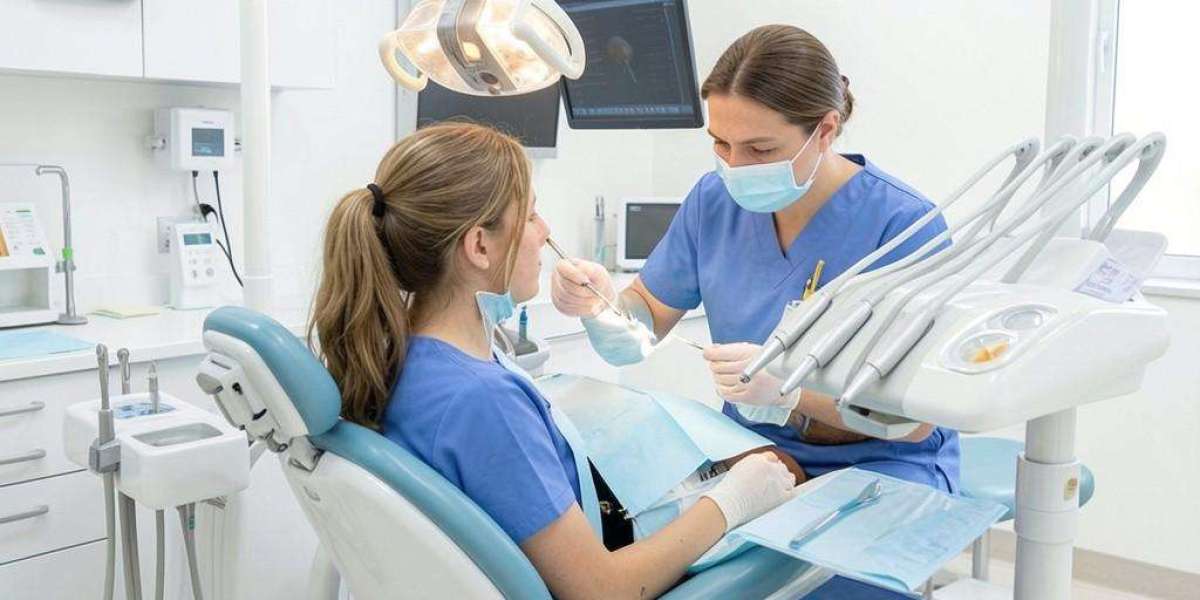
Lower back pain is a common problem that affects many women at some point in their lives. No matter if it’s a dull ache after a long day or sharp pain that limits your movement, it can interfere with your daily activities, work, and overall quality of life. If you live in Dallas and are struggling with persistent back pain, understanding its causes, symptoms, and treatment options is the first step toward relief.
Common Causes of Lower Back Pain in Women
Understanding why lower back pain happens can help you take action to prevent it or treat it effectively. Women may experience back pain for several reasons, ranging from lifestyle factors to medical conditions.
Musculoskeletal Causes
One of the most common reasons for lower back pain in women is muscle strain. Carrying heavy objects, sitting for long hours at a desk, or performing repetitive movements can cause tension in the muscles and ligaments that support your spine. Over time, this strain can lead to chronic discomfort.
In Dallas, many women spend hours commuting or working at offices, which can worsen postural problems. Even small daily habits, like slouching or carrying a heavy purse, can contribute to ongoing lower back issues.
Hormonal and Reproductive Factors
Hormones also play a role in lower back pain. Women may notice increased discomfort during their menstrual cycle due to hormonal fluctuations affecting the ligaments and muscles around the pelvis. Pregnancy is another major factor. Carrying extra weight and changes in posture during pregnancy can put extra stress on the lower back, sometimes causing long-term pain even after childbirth.
Medical Conditions
Sometimes, back pain may indicate an underlying medical condition. Sciatica, herniated discs, and osteoporosis are common culprits in women experiencing chronic lower back pain. Arthritis can also affect the spine, leading to stiffness and discomfort. According to the American College of Rheumatology, about 23% of women over 50 experience back pain due to degenerative conditions, highlighting the importance of early evaluation.
Symptoms and Warning Signs
Lower back pain can appear in different ways. Some women feel a dull, persistent ache, while others may experience sharp, stabbing pain that radiates down the legs. You might also notice stiffness, numbness, or tingling in the lower back or legs.
It’s important to pay attention to warning signs. Severe or worsening pain, pain accompanied by fever, or pain following an injury should prompt a visit to a medical professional. In Dallas, a pain specialist can help determine if your symptoms are caused by muscle strain or a more serious condition requiring targeted treatment.
Diagnosis of Lower Back Pain in Women
If you are experiencing persistent lower back pain, proper diagnosis is crucial. At a Dallas clinic, doctors typically start with a thorough physical examination and a detailed medical history. They may ask about your daily activities, work habits, and previous injuries to get a clear picture of what could be causing your pain.
Imaging tests, such as X-rays, MRIs, or CT scans, are often used to look for structural issues like herniated discs, bone spurs, or degenerative changes in the spine. By combining your medical history, symptoms, and test results, a pain specialist in Dallas can create a personalized treatment plan customized to your needs.
Treatment Options in Dallas
The good news is that there are many effective treatments for lower back pain in women. Depending on the cause and severity, you can find relief through non-surgical methods, minimally invasive treatments, or lifestyle adjustments.
Non-Surgical Treatments
Non-surgical options are often the first line of treatment. Physical therapy can help strengthen the muscles supporting your spine, improve posture, and reduce tension. Pain medications, such as anti-inflammatory drugs or muscle relaxants, may provide temporary relief and help you stay active while healing.
Lifestyle adjustments are also important. Simple changes like using an ergonomic chair, practicing proper lifting techniques, and incorporating stretching exercises can significantly reduce strain on the lower back.
Minimally Invasive or Advanced Treatments
For women whose pain persists despite conservative methods, minimally invasive treatments may be recommended. Procedures like epidural injections or nerve blocks can target specific areas of pain and provide long-lasting relief. In some Dallas clinics, regenerative medicine treatments, such as platelet-rich plasma (PRP) therapy, are available to help heal damaged tissues naturally.
I recently learned that studies show up to 70% of women experience improvement in chronic lower back pain within three months of combining physical therapy with targeted injections, emphasizing the effectiveness of a combined approach.
Home Remedies and Lifestyle Tips
Alongside professional treatments, you can take steps at home to support your back. Gentle stretching, yoga, and light exercise can keep muscles flexible and reduce tension. Heat or cold therapy may help relieve soreness, while maintaining a healthy weight can lessen the strain on your lower back.
Prevention Tips for Women
Preventing lower back pain is often easier than treating it. Focus on building core strength through exercises like Pilates or gentle strength training. Pay attention to your posture, especially during work or long commutes, and avoid lifting heavy objects incorrectly.
A balanced diet, proper hydration, and adequate sleep can also support overall spine health. Taking these steps may reduce the frequency and severity of lower back pain episodes.
FAQs
What causes lower back pain in women in Dallas?
Lower back pain can result from muscle strain, hormonal changes, pregnancy, or medical conditions such as sciatica or arthritis. Lifestyle factors, like long hours of sitting, may also contribute.
When should I see a pain specialist in Dallas?
If your pain persists for more than a few weeks, worsens over time, or comes with symptoms like numbness or weakness, it’s important to consult a specialist.
Are there female-focused back pain treatments in Dallas?
Yes, many Dallas clinics offer treatment plans customized for women, addressing hormonal factors, pregnancy-related pain, and musculoskeletal issues.
Can pregnancy cause lower back pain in Dallas women?
Absolutely. Pregnancy shifts your center of gravity and increases strain on your lower back. Specialized exercises and targeted therapies can help manage discomfort.
What non-surgical options are available for back pain in women?
Physical therapy, pain medications, stretching routines, ergonomic adjustments, and minimally invasive injections are common non-surgical treatments available in Dallas.
Conclusion
Lower back pain in women is a widespread issue, but you don’t have to suffer in silence. Understanding the causes, recognizing symptoms, and exploring treatment options are crucial steps toward relief. No matter if its muscle strain, hormonal changes, or chronic conditions, Dallas offers a variety of solutions through expert care.
If you are struggling with lower back pain, consult a certified pain specialist in Dallas to create a personalized treatment plan. By combining professional care with lifestyle adjustments, you can regain comfort, mobility, and confidence in your daily life.