In today’s digital economy, data has become one of the most valuable assets for businesses. Organizations across industries rely on data to improve customer experiences, make strategic decisions, manage operations, and stay ahead of competitors. From financial institutions and healthcare providers to technology firms and e-commerce companies, modern enterprises operate in an environment where information flows constantly between employees, clients, vendors, and stakeholders.
As businesses become increasingly dependent on digital systems, the need for secure, fast, and legally compliant methods of handling documents has grown significantly. Traditional paper-based signatures are no longer practical for organizations managing high volumes of sensitive data and online transactions. This is why digital signature
have become an essential part of modern business operations.
Digital signatures offer a secure and efficient way to verify documents, protect information, and streamline workflows. For data-focused companies, adopting digital signatures is not merely a convenience—it is a necessity for maintaining security, compliance, and operational efficiency.
The Growing Importance of Data in Business
Modern businesses rely heavily on data to guide decision-making and improve performance. Customer information, financial reports, employee records, contracts, and analytics all play a critical role in business success. Companies use this information to identify market trends, optimize processes, and create personalized services.
However, managing large amounts of data also entails significant responsibilities. Organizations must ensure that their information remains secure, accurate, and protected from unauthorized access. Any data breach or document tampering can damage a company’s reputation, lead to financial losses, and result in legal consequences.
This growing dependence on secure digital communication has made digital signatures an important tool for businesses operating in data-driven environments.
Understanding Digital Signatures
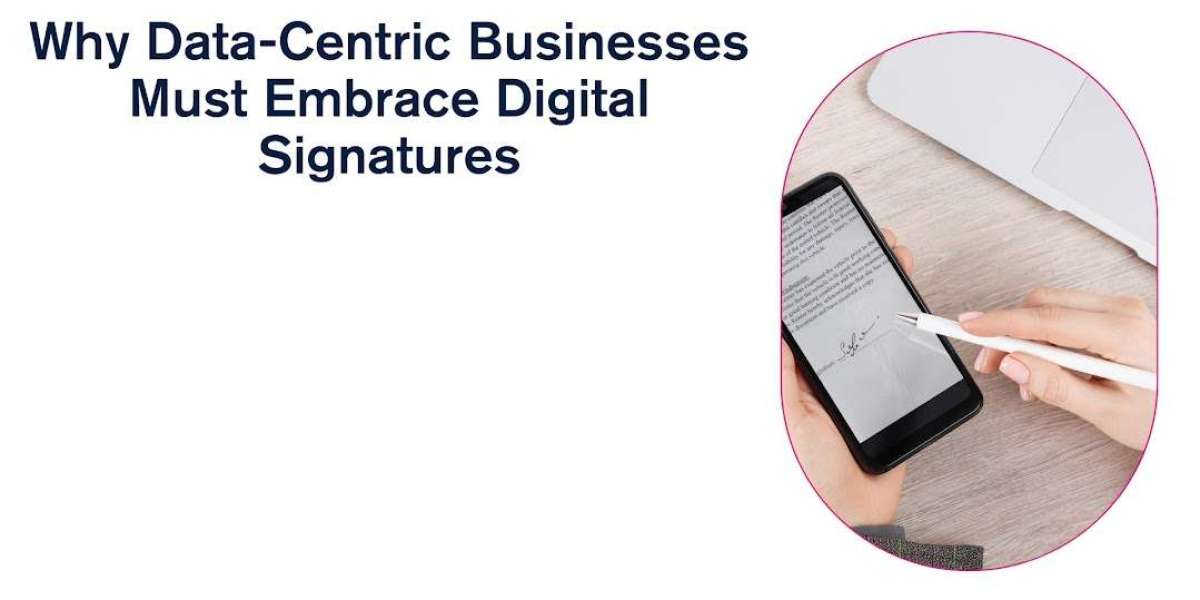
A digital signature is an electronic method used to verify the authenticity and integrity of a digital document or message. Unlike traditional handwritten signatures, digital signatures use encryption technology to provide higher levels of security and trust.
When a document is digitally signed, a unique encrypted code is attached to it. This code confirms the identity of the signer and ensures that the document has not been altered after signing.
Digital signatures provide three major benefits:
- Authentication: Verifies the identity of the signer
- Integrity: Confirms that the document has not been modified
- Non-repudiation: Prevents the signer from denying their involvement
These features make digital signatures highly reliable for businesses handling confidential information and online transactions.
Why Data-Driven Companies Need Digital Signatures
Faster Business Operations
Data-focused companies operate in fast-moving environments where delays can affect productivity and decision-making. Traditional signing methods often involve printing, scanning, mailing, and physical approvals, which consume valuable time.
Digital signatures eliminate these delays by allowing documents to be signed instantly from anywhere. Contracts, agreements, approvals, and reports can move between departments or clients within minutes.
This speed improves workflow efficiency and helps businesses respond quickly to changing market conditions.
Improved Data Security
Cybersecurity threats continue to rise as businesses increasingly operate online. Data breaches, hacking attempts, and unauthorized access can severely impact an organization’s operations and reputation.
Digital signatures use advanced encryption technology that makes documents highly secure and difficult to tamper with. Any unauthorized modification made after signing becomes immediately detectable.
For businesses handling sensitive customer information, financial records, or confidential agreements, this added layer of protection is extremely valuable.
Better Compliance with Regulations
Many industries are governed by strict regulations related to digital transactions and data protection. Organizations must comply with national and international laws to avoid penalties and legal risks.
Digital signatures are legally recognized in many countries and support compliance with regulations such as:
- GDPR in Europe
- HIPAA in the healthcare sector
- eIDAS regulations for electronic transactions
- The Information Technology Act in India
Using digital signatures helps businesses maintain accurate records, improve audit trails, and demonstrate compliance during inspections or legal reviews.
Cost Savings and Paperless Operations
Traditional paperwork involves expenses related to printing, storage, courier services, and manual processing. For companies managing thousands of documents, these costs can become substantial.
Digital signatures reduce these expenses by enabling paperless operations. Businesses can store documents electronically, reduce physical storage needs, and eliminate shipping costs.
Lower administrative costs improve profitability while also supporting environmentally sustainable business practices.
Building Trust and Professional Reputation
Trust is essential in data-driven industries where businesses handle confidential information and financial transactions. Clients and partners expect organizations to use secure and professional systems for managing documents.
Digital signatures demonstrate a company’s commitment to security, transparency, and modern technology. Businesses that adopt secure digital processes are often viewed as more reliable and trustworthy.
This improved reputation can strengthen customer relationships, attract investors, and create long-term business opportunities.
Key Applications of Digital Signatures
Client Agreements and Contracts
Businesses frequently exchange contracts, service agreements, and confidential documents with clients. Digital signatures simplify this process by enabling secure online approvals without physical meetings.
This is especially useful for companies working with remote clients or international customers.
Human Resource Management
Human resource departments handle offer letters, employment contracts, policy documents, and employee records regularly.
Digital signatures allow organizations to complete recruitment and onboarding processes quickly and securely, supporting remote hiring and hybrid work models.
Vendor and Supplier Management
Procurement agreements and supplier contracts often require multiple approvals and legal verifications. Digital signatures streamline these processes and reduce delays in vendor management.
Faster approvals help businesses maintain smooth supply chain operations.
Internal Business Approvals
Companies generate numerous internal documents such as budget approvals, policy updates, reports, and strategic plans.
Digital signatures make it easier for managers and executives to approve documents remotely, improving operational efficiency and reducing paperwork bottlenecks.
Secure Customer Transactions
Customer-facing businesses use digital signatures for subscriptions, renewals, compliance forms, and service agreements.
This creates a smooth customer experience while ensuring document security and legal validity.
Integration with Modern Business Systems
Most data-driven organizations use digital tools such as Customer Relationship Management (CRM) systems, Enterprise Resource Planning (ERP) platforms, and cloud-based storage solutions.
Modern digital signature platforms integrate easily with these systems, allowing businesses to automate workflows and manage documents more effectively.
These integrations provide advantages such as:
- Real-time document tracking
- Automated approval processes
- Centralized storage and retrieval
- Improved workflow management
As a result, businesses can maintain efficiency without disrupting existing operations.
Future of Digital Signatures in Data-Driven Industries
Artificial Intelligence Integration
Artificial Intelligence is enhancing digital signature systems by improving document verification and fraud detection. AI-powered tools can identify unusual activity, automate document routing, and reduce manual errors.
These advancements help businesses improve both security and efficiency.
Blockchain Technology
Blockchain technology is creating new opportunities for secure document verification. By combining blockchain with digital signatures, businesses can create tamper-proof records and improve trust in digital transactions.
Industries such as finance, healthcare, and supply chain management are expected to benefit greatly from this innovation.
Biometric Authentication
Some advanced digital signature solutions now include biometric verification methods such as fingerprint scanning and facial recognition.
These technologies add another layer of protection for businesses handling highly sensitive information.
Challenges in Adopting Digital Signatures
Despite their advantages, some organizations may face challenges when implementing digital signatures.
Resistance to Technological Change
Employees or clients who are unfamiliar with digital systems may hesitate to adopt electronic signing methods. Businesses can overcome this challenge through training programs and user-friendly platforms.
Security Awareness
Although digital signatures are highly secure, organizations must choose trusted providers and regularly update their security systems to prevent vulnerabilities.
Understanding Legal Requirements
Different countries may have varying regulations regarding electronic signatures. Businesses operating internationally should ensure compliance with local legal standards.
Simple Process for Obtaining a Digital Signature
Applying for a digital signature certificate is usually straightforward. The process generally involves:
- Visiting a digital signature service provider’s website
- Choosing the certificate type and validity period
- Providing personal or business details
- Completing identity verification
- Making the required payment
- Receiving the digital signature certificate on a secure USB token or cloud platform
Once activated, businesses can begin using digital signatures for secure online transactions and documentation.
Suggested read:- Digital Signature Certificate for Income Tax
Conclusion
As businesses continue to rely heavily on data and digital systems, the need for secure and efficient document management solutions has become more important than ever. Digital signatures provide a reliable method for protecting sensitive information, improving operational speed, and ensuring legal compliance.
For data-driven companies, digital signatures are no longer optional tools—they are essential components of modern business operations. They help organizations strengthen security, reduce costs, build customer trust, and streamline workflows in an increasingly digital world.
Companies that embrace digital signature technology today are positioning themselves for long-term growth, stronger compliance, and greater competitiveness in the future digital economy.