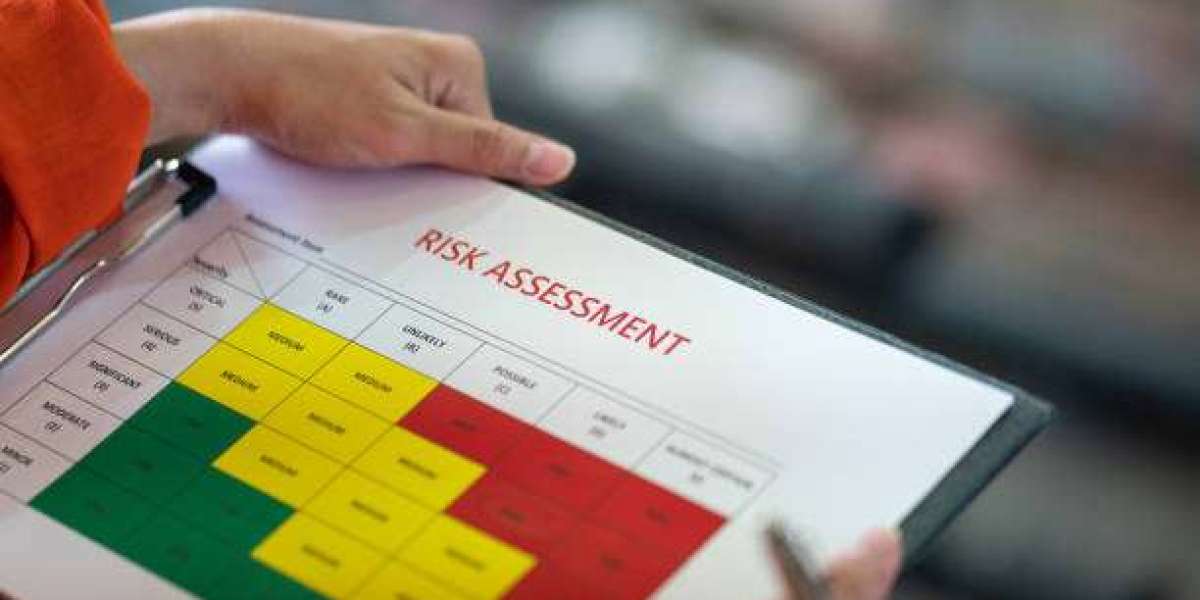
Owning or managing a commercial property involves more than maintaining the building and keeping daily operations running smoothly. Safety responsibilities are equally important, especially when people regularly use or work within the property.
Fire safety is one area that many property owners know they must address, but the process can sometimes feel confusing. Terms such as regulations, responsibilities, and assessments often create uncertainty, particularly for those managing a property for the first time. One important requirement many UK commercial property owners encounter is the fire risk assessment. Understanding what it is, why it matters, and what it involves can help make the process far less overwhelming.
What Is a Fire Risk Assessment?
A fire risk assessment is a structured review of a property that identifies potential fire hazards and evaluates risks to people within the building. The purpose is not simply to look for existing dangers. It also involves considering how a fire could start, how people could be affected, and what steps can reduce risk.
A fire risk assessment generally aims to:
- Identify possible fire hazards
- Assess people who may be at risk
- Evaluate existing safety measures
- Recommend improvements where needed
- Support ongoing fire safety management
The overall goal is helping create a safer environment for staff, visitors, customers, and occupants.
Why Fire Risk Assessments Matter
Fires in commercial properties can have serious consequences.
Potential impacts may include:
- Injury to occupants
- Property damage
- Business interruption
- Financial loss
- Legal complications
Many fire incidents begin with small issues that initially seem harmless. Examples include faulty electrical equipment, blocked escape routes, or poor storage practices. Identifying these risks early can help prevent larger problems later.
Which Commercial Properties May Need One?
Fire safety responsibilities apply to many types of premises.
Examples include:
- Offices
- Shops
- Warehouses
- Restaurants
- Industrial units
- Apartment buildings with shared areas
- Hotels and hospitality properties
Properties with employees, customers, visitors, or shared occupancy often have fire safety obligations. The exact requirements can vary depending on the building and its use.
What Does a Fire Risk Assessment Typically Involve?
Although assessments vary between properties, the process usually follows several stages.
Identifying Fire Hazards
The first step involves identifying anything that could increase fire risk.
Examples include:
- Electrical equipment
- Heating systems
- Flammable materials
- Cooking areas
- Waste accumulation
Potential ignition sources and fuel sources are both considered.
Identifying People at Risk
Assessments also examine who could be affected if a fire occurred.
This may include:
- Employees
- Customers
- Contractors
- Visitors
- Residents
- Individuals with mobility concerns
Different occupants may require different safety considerations.
Reviewing Existing Safety Measures
The assessor typically examines current fire protection measures such as:
- Fire alarms
- Emergency lighting
- Fire extinguishers
- Signage
- Escape routes
- Fire doors
The aim is to determine whether existing systems provide suitable protection.
Evaluating Escape Procedures
Safe evacuation is an important part of fire planning.
The assessment may review:
- Exit routes
- Access points
- Emergency procedures
- Assembly arrangements
Escape routes should remain clear and easy to use.
Recording Findings and Recommendations
After reviewing the property, findings are usually documented.
This may include:
- Identified risks
- Existing controls
- Areas requiring improvement
- Recommended actions
The report helps property owners understand where attention may be needed.
Fire Risk Assessments Are Not a One-Time Task
One common misunderstanding is assuming the assessment only needs to happen once. Buildings and businesses change over time.
Examples include:
- New equipment installation
- Layout changes
- Increased occupancy
- Refurbishment work
- Operational changes
These changes can affect fire safety conditions. Regular reviews help ensure assessments remain relevant.
Common Issues Often Found
Some fire safety concerns appear frequently across commercial properties.
Examples include:
- Blocked exits
- Missing signage
- Faulty emergency lighting
- Poor housekeeping
- Inadequate maintenance
- Storage near ignition sources
Small oversights can create larger risks if ignored.
Fire Safety Supports Business Continuity
People often think about fire risk assessments only from a compliance perspective. However, good fire safety planning also protects wider business interests.
Reducing fire risks can help:
- Protect staff and visitors
- Minimise disruption
- Reduce potential losses
- Improve workplace confidence
- Support long-term operations
Prevention is often far easier than recovering from serious damage.
Final Thoughts
Fire risk assessments are an important part of responsible commercial property management. While the process may initially seem technical, its purpose is straightforward: identify risks and help create safer environments. For UK commercial property owners, understanding fire safety early can make compliance simpler and help avoid unnecessary problems later. Taking proactive steps today can help protect both people and property in the future.