Cricket is a game of skill, timing, and confidence—but none of that matters if your safety equipment does not fit properly. A cricket helmet is one of the most important pieces of protective gear any player can wear. Whether you are facing fast bowlers in a competitive league or playing weekend matches with friends, a properly fitted helmet can make a huge difference.
Many players in the UK focus on the helmet brand or design and overlook one key factor: size. A helmet that is too loose may move during play, while one that is too tight can become uncomfortable and distracting. Finding the right fit helps improve protection, comfort, and confidence at the crease. This guide explains how to choose the correct cricket helmet size and avoid common fitting mistakes.
Why Helmet Size Matters
A cricket helmet is designed to protect the head and face from impact. However, it can only do its job properly if it fits correctly.
A poorly fitted helmet can create several issues:
The helmet may shift while batting
Reduced protection during impact
Pressure points causing headaches
Discomfort during long innings
Difficulty concentrating on the game
Players at every level—from junior cricketers to experienced club players—benefit from wearing a helmet that stays secure and feels comfortable throughout a match.
Step 1: Measure Your Head Correctly
Before buying a helmet, the first step is measuring your head size.
Use a soft measuring tape and follow these steps:
Place the tape around your head.
Measure approximately one centimetre above your eyebrows.
Wrap it around the widest part of your head.
Keep the tape level and snug but not too tight.
Record the measurement in centimetres.
This measurement gives you a starting point when checking helmet size charts. If you do not have a measuring tape, use a string and measure it against a ruler afterwards.
Typical Cricket Helmet Size Chart
Helmet sizes vary slightly between manufacturers, but most follow similar guidelines.
Helmet Size | Head Circumference |
Junior Small | 50–52 cm |
Junior Large | 52–54 cm |
Small | 55–56 cm |
Medium | 57–58 cm |
Large | 59–60 cm |
Extra Large | 61+ cm |
Always check the manufacturer’s size guide before purchasing because measurements can differ between brands.
Step 2: Try the Helmet On Properly
Head measurements provide a good starting point, but trying the helmet on is equally important.
When wearing a cricket helmet:
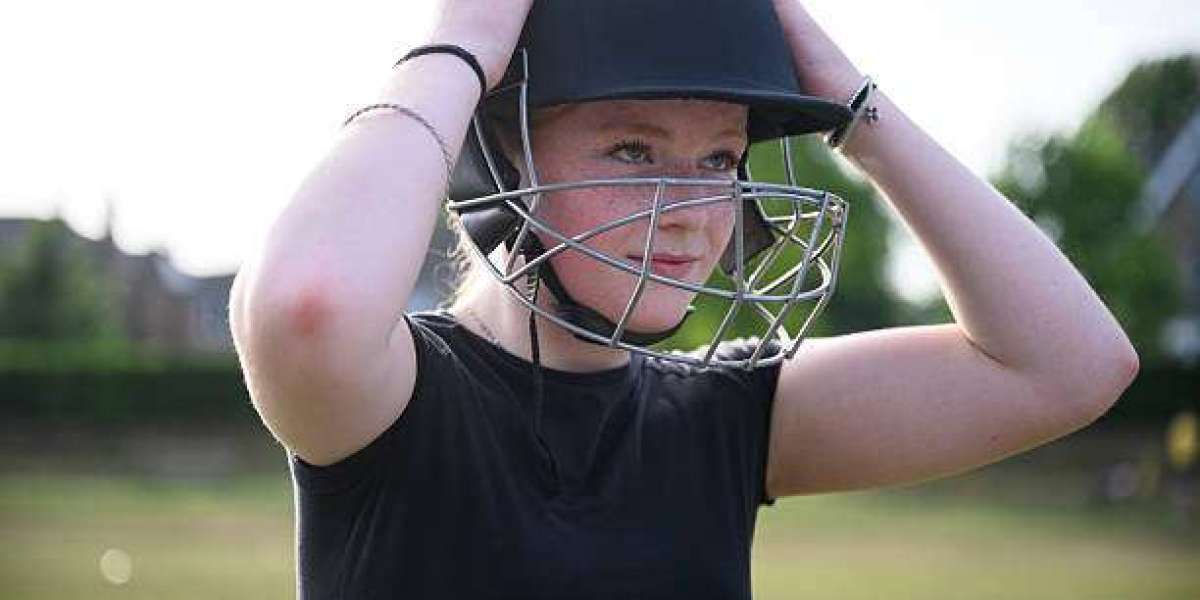
Place it squarely on your head
The front should sit just above the eyebrows
Internal padding should touch the head evenly
It should feel secure without pressure
Move your head side to side and up and down.
The helmet should stay in position without wobbling or sliding.
If it shifts too easily, it may be too large.
Check the Face Guard Position
Many players focus only on head fit and forget the grille position.
The face guard should:
Sit comfortably in front of the face
Provide clear visibility
Leave enough space between face and grille
Meet current safety recommendations
The gap between the grille and peak should not allow a cricket ball to pass through dangerous areas.
Modern helmets often have adjustable systems to help achieve a safer fit.
Signs Your Helmet Is Too Small
A helmet that is too small usually creates immediate discomfort.
Common signs include:
Tight pressure around the forehead
Headaches after short use
Red marks after removing the helmet
Difficulty wearing it for long periods
Players sometimes assume a tighter helmet means better protection, but excessive tightness can become distracting and uncomfortable.
Signs Your Helmet Is Too Large
A loose helmet can be just as problematic.
Watch for these warning signs:
Helmet slides while moving
Internal padding does not sit evenly
Chin area feels unstable
Excess movement during batting
Protection decreases if the helmet shifts at the moment of impact.
Adjustable Features Can Help
Many modern cricket helmets include adjustment systems designed to improve fit.
Features may include:
Rear adjustment dials
Additional internal padding
Adjustable chin straps
Multiple grille positions
These features can help create a more personalised fit, especially for younger players who are still growing.
Helmet Fit for Junior Players
Children grow quickly, so parents often buy larger helmets hoping they will last longer. This approach can create safety problems. Avoid buying oversized helmets "for future use." Junior players need secure protection now, not months later.A properly fitted junior helmet provides better comfort and reduces movement while playing. Replace it when growth affects the fit.
Replace Damaged or Old Helmets
Even a perfectly sized helmet should not last forever.
Check regularly for:
Cracked shells
Damaged padding
Loose fittings
Bent face guards
Signs of impact damage
After a significant impact, replacing the helmet is often recommended even if damage is not obvious.
Safety equipment works best when kept in good condition.
Final Thoughts
Finding the right cricket helmet size is not difficult, but it does require attention to detail. Measuring your head correctly, checking the fit carefully, and making sure the helmet stays secure can significantly improve both safety and comfort. A properly fitted helmet allows players to focus on batting rather than adjusting equipment. Whether you play league cricket, school matches, or weekend games in the UK, investing time in finding the right fit is always worthwhile. When protection feels comfortable, confidence often follows too.