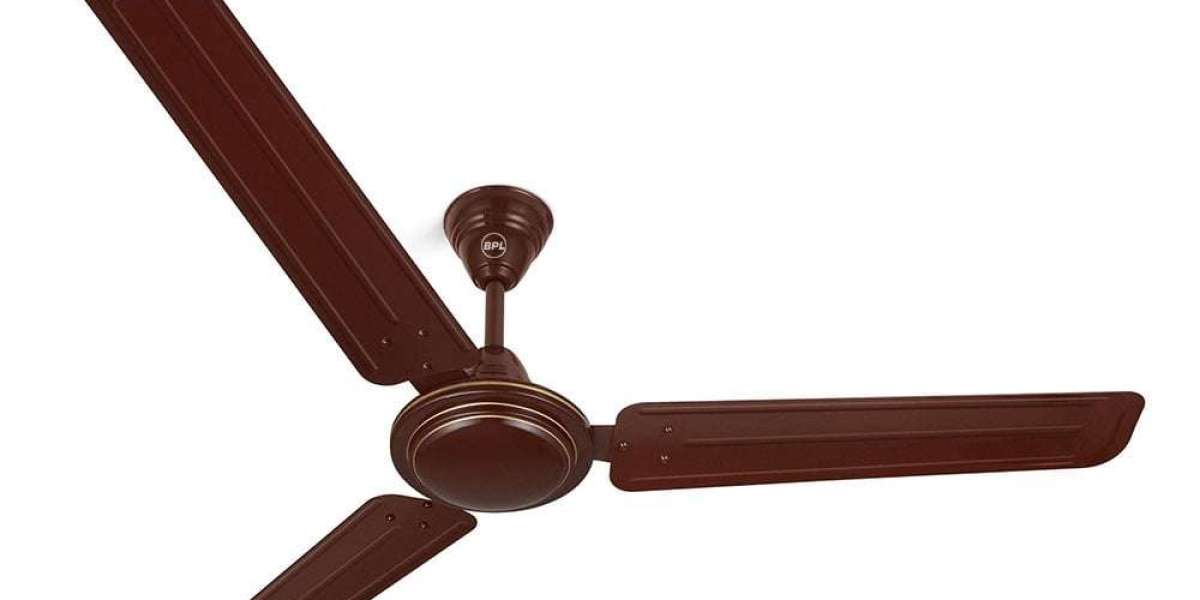
Climate change has made our summers longer and hotter. As electricity bills mount, people are becoming conscious about the environment and energy efficiency, too. Like so many other areas, technology is playing its part here. It is transforming traditional, straightforward cooling appliances into sophisticated devices. The market is flooded with so many new options that choosing the right one can feel overwhelming.
The tech revolution
Steep upgrades in motor technology are driving this transformation. The BLDC fan is emerging as a popular choice for many homeowners. Its brushless direct current motor consumes up to 65% less electricity than conventional fans. Traditional induction motors wasted energy through friction and heat.
Newer models use power more efficiently for air movement. Since summers constitute a big part of our climatic milieu, this improvement is a fundamental leap in home cooling technology. Lower electricity bills directly add up to our monthly savings.
Convenient cooling
Now, a modern fan comes with remote control variants that let you adjust speeds without having to budge, programmed timers that switch off after you fall asleep, and multiple speed settings that are aligned with different times of the day.
You can now walk from work into a cool and welcoming home, instead of battling the scorching summer interior. Fumbling with switchboards and regulators has become a thing of the past. These little conveniences make for easier everyday living. In comparison, traditional models feel primitive.
Futuristic appliances
Appliances are now able to think for themselves. A smart fan connects to your smartphone, learns your preferences, and adjusts settings by itself, based on room temperature or the time of day. Voice commands through assistants like Google or Alexa mean you don’t even need to reach for your phone. You don’t need to manually slow down or raise speeds. The technology works in the background, transforming your home into a modern-day smart home that responds to your needs.
Let’s talk numbers
A conventional device that typically runs for eight hours every day will consume about 75 watts of electricity, translating to Rs. 600 - Rs. 800 of your power bills. Newer, efficient models reduce this consumption to just 35 watts, so you can expect to save about Rs. 4,000-Rs.5,000 per device, annually. So, this is a great investment!
Choices that matter
If you plan to make an upgrade to your home cooling systems, you must consider your specific needs. Room size and ceiling height are two of the most important factors. Both affect air circulation, so check the device’s compatibility before buying it. App control versus remote management, energy efficiency, ventilation requirements or custom needs for family members are the other factors that you need to look at. The right products will improve the overall atmosphere of your house.
Conclusion
The latest trends in home cooling started out as premium upgrades but are soon becoming standard. Long-term comfort matters more than quick fixes. Durability, efficiency and a higher quality of life are driving people to make the switch from conventional to modern solutions.