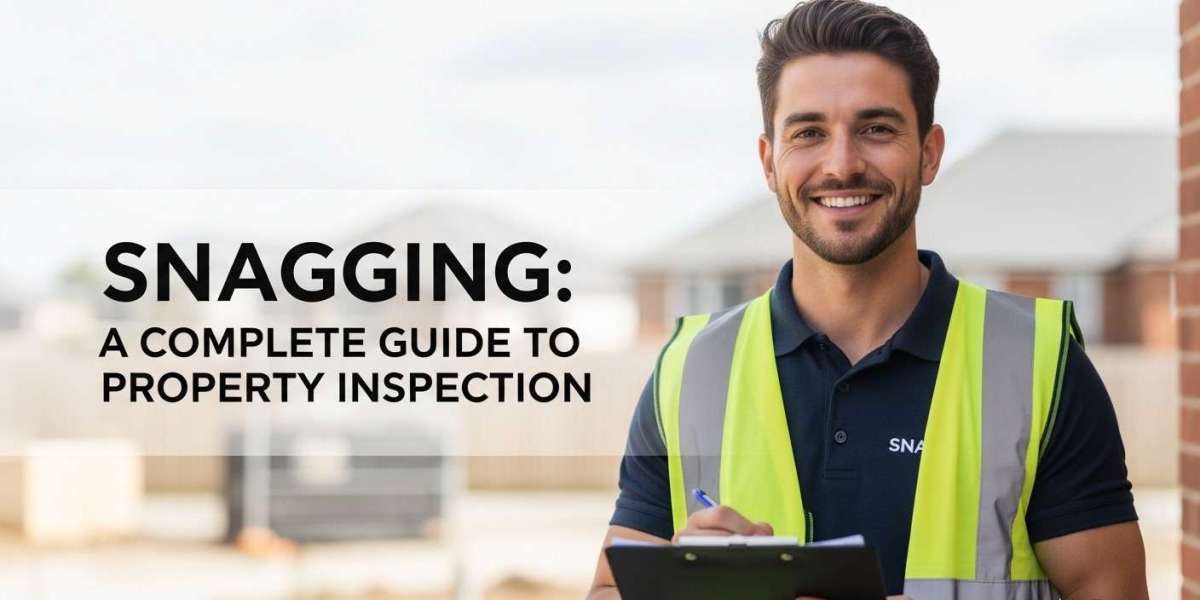
Property snagging is an essential step when purchasing a newly built or recently renovated property. Many buyers assume that a new property will be perfect because it has just been constructed. Fresh paint, modern interiors, and new fixtures often give the impression that everything is flawless. However, small construction defects and unfinished details are very common in new developments. Property snagging helps identify these problems before the buyer fully accepts the property.
A property is one of the most significant investments a person can make. Because of this, buyers want to ensure that their new home meets the expected standards of quality and safety. Property snagging allows buyers to inspect the property carefully and ensure that every element has been completed properly. This process helps protect the buyer’s investment and ensures that any defects are corrected by the builder.
In many modern real estate markets, property snagging has become a normal part of the handover process. It provides transparency between developers and buyers while ensuring that the property is delivered in the best possible condition.
What Is Property Snagging
Property snagging is the process of inspecting a newly constructed or recently renovated property to identify defects, unfinished work, or quality issues. These problems are commonly referred to as snags.
During a snagging inspection, professionals examine different parts of the property to ensure that construction work has been completed correctly. The inspection focuses on structural elements, interior finishes, and essential systems.
Once the inspection is completed, a snagging report is created. This report lists all the defects discovered during the inspection and explains what needs to be corrected. The developer or contractor is then responsible for fixing these issues before the buyer officially accepts the property.
Property snagging ensures that the buyer receives a property that meets acceptable construction and finishing standards.
Why Property Snagging Is Important
Property snagging is important because it helps protect buyers from accepting a property with construction defects. Even experienced builders may overlook small details during the construction process.
One of the main benefits of property snagging is quality control. Buyers can verify that the construction and finishing work meet expected standards. If defects are discovered, they can be corrected before the property handover is finalized.
Another important benefit is financial protection. When defects are identified during the snagging stage, the developer is responsible for fixing them. This prevents the buyer from paying for repairs that should have been addressed during construction.
Property snagging also helps maintain the long term value of the property. Small defects can grow into larger problems if they are not fixed early. Identifying these issues before moving in helps prevent costly repairs in the future.
Areas Checked During Property Snagging
A property snagging inspection covers many areas of the building. Inspectors review both structural components and interior finishing details.
Walls and ceilings are examined to check for cracks, uneven surfaces, or poor paintwork. Flooring is inspected to ensure that tiles, wood panels, or other materials have been installed correctly.
Doors and windows are tested to confirm that they open and close smoothly. Inspectors also examine locks, handles, and hinges to ensure they function properly.
Electrical systems are checked to make sure switches, outlets, and lighting fixtures are working correctly. Plumbing systems are inspected for leaks, proper drainage, and stable water flow.
Kitchen and bathroom installations are also evaluated. Inspectors verify that cabinets, sinks, and fittings are properly installed and secure.
This detailed evaluation ensures that every part of the property meets acceptable quality standards.
The Property Snagging Process
The property snagging process typically takes place before the final handover of the property. Buyers arrange for a snagging inspection so that any defects can be identified before they take possession of the property.
The inspection begins with a detailed walkthrough of the property. The inspector carefully examines each room and checks important systems such as plumbing, electrical installations, and ventilation.
Any defects or unfinished work discovered during the inspection are recorded in a snagging report. This report clearly describes the issues that need to be corrected.
The report is then shared with the developer or builder responsible for the property. They are expected to address the problems and complete the necessary repairs.
After the corrections have been completed, the property may be reviewed again to ensure that all issues have been resolved.
Benefits of Property Snagging for Buyers
Property snagging provides several benefits for buyers. One of the most important advantages is peace of mind. Buyers can feel confident that their property has been thoroughly inspected before they move in.
Another benefit is improved property quality. By identifying defects early, buyers ensure that the developer corrects construction issues before the handover.
Property snagging also protects buyers from unexpected repair costs. When problems are discovered during the inspection stage, the responsibility for repairs usually remains with the builder.
In addition, the snagging report provides documentation of the property's condition at the time of handover. This record can be useful for future maintenance or property management.
Common Defects Found During Property Snagging
Property snagging inspections often reveal minor defects that were overlooked during construction. Common issues include uneven paintwork, poorly fitted doors, and scratched flooring.
Electrical issues such as loose outlets or faulty switches may also be discovered. Plumbing defects like leaking taps or poorly sealed pipes are another common finding.
In some cases, inspectors may identify ventilation problems or poorly installed fixtures in kitchens and bathrooms. While these defects may seem small, they can affect the comfort and usability of the property.
Addressing these issues early ensures that the property is delivered in excellent condition.
Tips for a Successful Property Snagging Inspection
To ensure a successful snagging inspection, buyers should arrange the inspection before the final property handover. This allows defects to be corrected before the buyer moves into the property.
The property should be fully accessible so inspectors can examine every area carefully. It is also helpful to ensure that utilities such as electricity and water are functioning during the inspection.
Buyers should review the snagging report carefully and communicate with the developer about necessary repairs. Clear communication helps ensure that all issues are addressed promptly.
Frequently Asked Questions
What is property snagging
Property snagging is the process of inspecting a newly built or renovated property to identify defects, unfinished work, or construction issues before the buyer moves in.
Why is property snagging necessary
Property snagging ensures that construction defects are identified and corrected before the property is officially handed over to the buyer.
Who performs property snagging inspections
Property snagging inspections are usually conducted by professionals who specialize in evaluating construction quality and finishing work.
When should property snagging be done
Property snagging should be carried out before the final property handover so that builders can correct defects.
Can property snagging help maintain property value
Yes, identifying and fixing defects early helps maintain the quality and long term value of the property.
Conclusion
Property snagging is a valuable step for anyone purchasing a newly built home or renovated property. It allows buyers to inspect the property carefully and ensure that construction work has been completed according to expected standards.
Through a detailed examination of walls, flooring, electrical systems, plumbing installations, and interior finishes, snagging inspections identify defects that may otherwise go unnoticed. This process ensures that builders correct these issues before the buyer takes full possession of the property.