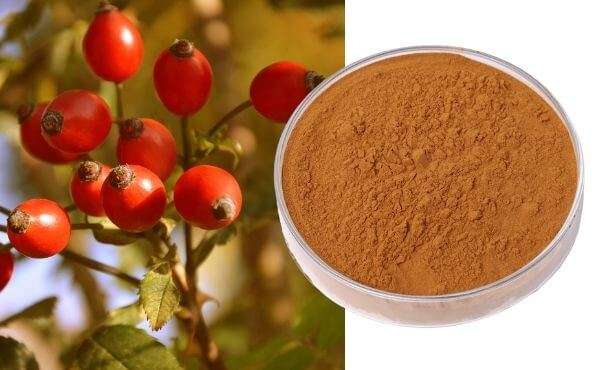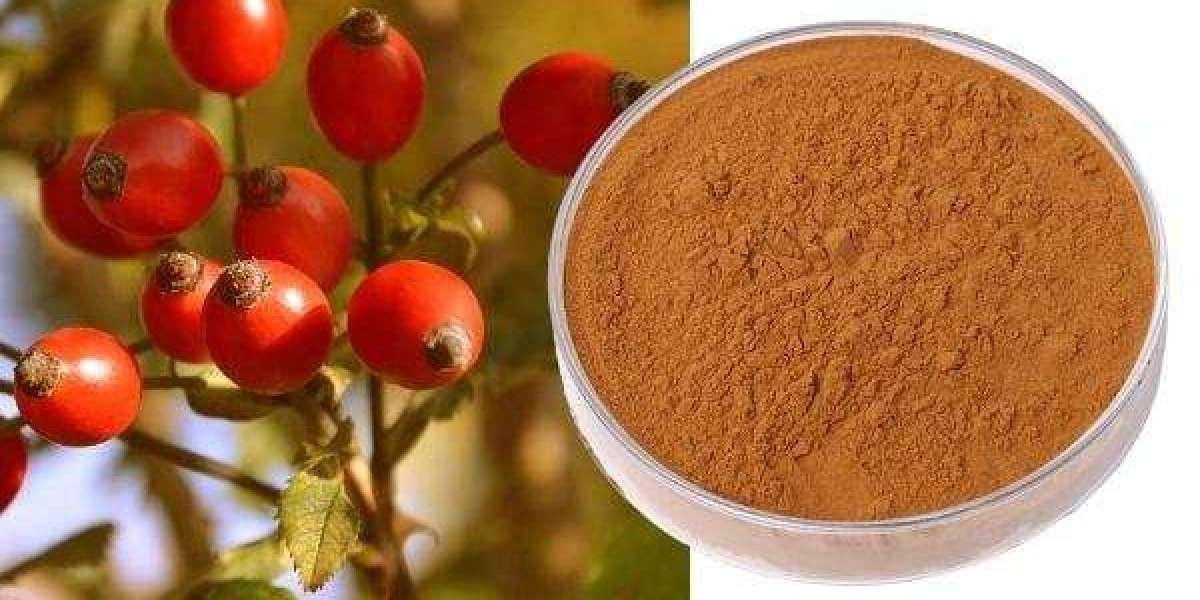
In the world of natural ingredients, few materials bridge the gap between traditional wisdom and modern efficacy as seamlessly as rose hip. Once a humble hedgerow staple, the fruit of the wild rose (Rosa canina and other species) is now a sought-after commodity, its extract prized in cosmetics for its brightening and regenerating properties, and in supplements for its dense nutrient profile. For brands across the globe, sourcing a consistent, high-quality supply of rose hip extract often leads to a central hub: China. Understanding this supply landscape is less about discovering a simple vendor and more about mapping a sophisticated agricultural and industrial network.
China’s position as a dominant supplier of rose hip extract is no accident. It is the result of deliberate agricultural development, significant investment in extraction technology, and the economies of scale that come with vast, coordinated production. Regions with suitable climates, such as parts of Shaanxi, Gansu, and Xinjiang, have established substantial cultivation of rose species valued for their fruit yield and phytochemical content. This domestic raw material base provides a foundational cost and supply stability that many other regions struggle to match.
The real engine of this industry, however, is the processing sector. Chinese manufacturers have mastered the complex journey from delicate, perishable fruit to stable, potent extract. The process typically involves careful drying of the hips to preserve their volatile compounds, followed by milling and extraction. Suppliers utilize various methods, with supercritical CO2 extraction being particularly noteworthy for producing a clean, solvent-free oil rich in trans-retinoic acid—a gold standard for skincare actives. Other methods, like solvent or water extraction, are employed to create powders abundant in vitamin C, flavonoids, and galactolipids for the nutraceutical market. This technical capability means a wholesale buyer isn’t just purchasing a raw agricultural product; they’re accessing specialized manufacturing.
For any business considering this source, recognizing the spectrum of suppliers is crucial. The market ranges from large, vertically-integrated companies that control everything from orchard to export documentation, to specialized extraction facilities that source raw materials from dedicated farming cooperatives. The former offers volume and streamlined consistency; the latter may provide greater traceability and flexibility for custom specifications, such as organic or wild-harvested claims, or specific concentrations of active compounds.
This leads to the most critical phase of engagement: due diligence. In botanical sourcing, quality is not a generic term but a set of verifiable documents. Reputable Chinese suppliers expect and are prepared for rigorous inquiries. The first line of questioning should always involve certifications. These are objective benchmarks. Look for current certifications like ISO 22000 for food safety management, organic certificates from recognized international bodies (EU, USDA), and facility audits that comply with standards relevant to your market, such as cGMP for supplements or compliance with cosmetic regulations.
Beyond paperwork, the conversation must turn to science. Request a comprehensive specification sheet and a Certificate of Analysis (CoA) for any batch you consider. This CoA should detail not just the active markers (e.g., vitamin C content, total phenols, fatty acid profile for oil) but, crucially, safety parameters: heavy metals (lead, arsenic, cadmium, mercury), pesticide residues, and microbial limits. Reputable suppliers conduct this testing in-house and through third-party labs and will share the results transparently. Insist on samples for your own evaluation—the extract’s color, aroma, solubility, and performance in your formulation are irreplaceable tests.
Operational logistics form the other pillar of a successful sourcing relationship. Clearly understand the supplier’s minimum order quantities (MOQs), which can vary from a few kilograms for a high-end, CO2-extracted oil to several hundred for a standard powdered extract. Discuss packaging—oxygen-barrier bags for powders, nitrogen-flushed to prevent oxidation, and dark glass bottles for oils are standard for quality-conscious producers. Clarify shipping terms (Incoterms like FOB or CIF) and ensure the supplier has experience providing all necessary documentation for smooth customs clearance in your country.
Sourcing rose hip extract from China is fundamentally an exercise in building a professional partnership. It requires clear communication, aligned expectations on quality, and a mutual understanding of the complexities of global trade. The opportunity, however, is significant. It provides access to a scale, technological sophistication, and cost structure that enables brands to bring high-quality, rose hip-based products to a competitive market. By investing the time to navigate this pipeline with care and precision, brands can secure not just an ingredient, but a reliable cornerstone for their formulations.
The global demand for botanicals with proven benefits continues to grow. In the fields and advanced processing plants of China, the infrastructure to meet a substantial portion of that demand for rose hip is already in place, turning the bright red fruit of autumn into a year-round staple for industries worldwide.