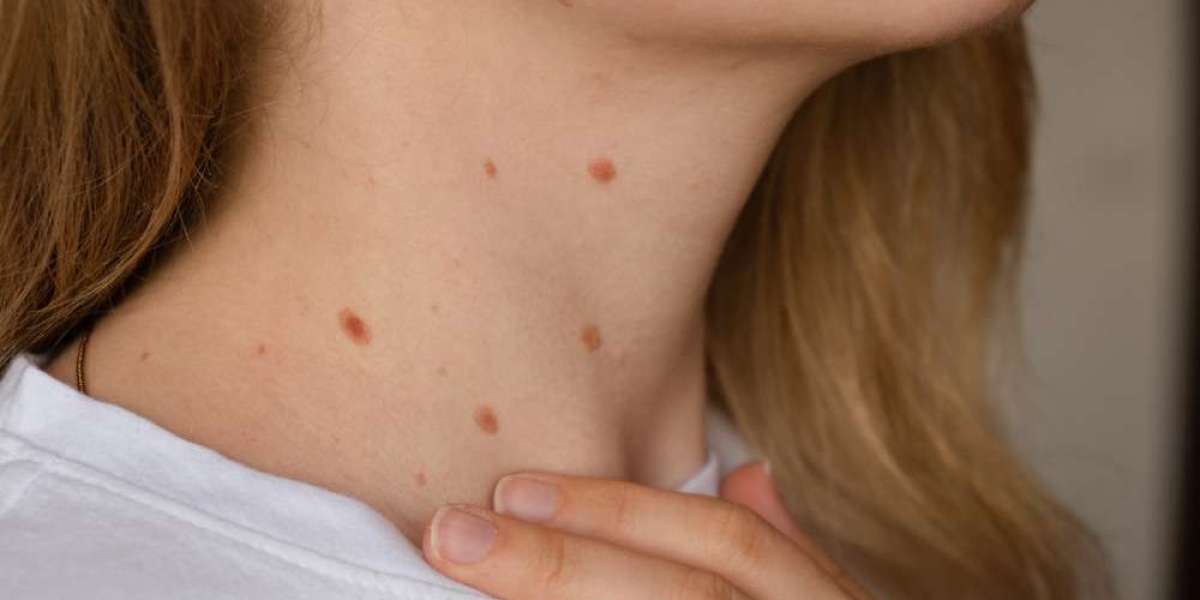
Skin growths often raise concern, especially when they appear suddenly or increase in number. One of the most common questions dermatologists hear is: Are Skin Tags Contagious? Because skin tags are visible and sometimes occur in clusters, many people worry about spreading them through touch, sharing personal items, or close contact. This article provides a dermatologist-backed, SEO-optimized deep dive into the facts, myths, causes, prevention, and treatment of skin tags—while clearly answering the question: Are Skin Tags Contagious?
Understanding Skin Tags: What Are They?
Skin tags, medically known as acrochordons, are small, soft, benign growths that hang off the skin. They usually develop in areas where skin rubs against skin or clothing, such as the neck, armpits, groin, eyelids, and under the breasts. These growths are made up of collagen fibers, blood vessels, and skin cells.
Despite their appearance, skin tags are not dangerous and are not a form of skin cancer. However, because they can look unusual, many people immediately wonder Are Skin Tags Contagious or linked to infections. Dermatologists emphasize that skin tags are extremely common, especially in adults over 30, and their presence alone is not a sign of poor hygiene or illness.
Are Skin Tags Contagious? The Direct Answer
The short and clear answer from dermatologists is Are Skin Tags Contagious? No, skin tags are not contagious. You cannot catch skin tags from another person through touching, hugging, sharing towels, or using the same personal items.
Skin tags do not contain bacteria, viruses, or fungi that can spread from one person to another. They are non-infectious growths that form due to internal and mechanical factors rather than external transmission. So, if you’re worried about close contact with someone who has skin tags, rest assured—there is no risk of catching them.
Why Do People Think Skin Tags Spread?
Even though dermatology science is clear, the question Are Skin Tags Contagious persists because of a few common misconceptions. One reason is that skin tags often appear in clusters or increase over time, which can look like “spreading.” In reality, this is not transmission but repeated formation in areas of friction.
Another reason is confusion with viral skin conditions such as warts, which are contagious. Warts are caused by the human papillomavirus (HPV), while skin tags are not caused by any virus. Because both can appear as small growths, people sometimes assume they behave the same way. Dermatologists stress that skin tags and warts are entirely different conditions.
Medical Causes Behind Skin Tag Development
To truly understand Are Skin Tags Contagious, it helps to know what actually causes them. Skin tags form due to a combination of friction, hormonal changes, and metabolic factors. Repeated rubbing of skin—such as from necklaces, tight clothing, or skin folds—can trigger their development.
Hormonal changes during pregnancy or conditions like insulin resistance and type 2 diabetes are also linked to skin tags. Genetics plays a role as well; if your family members have them, you may be more likely to develop them. Dermatologists also note that skin tags are often associated with Health and wellness, as maintaining a balanced lifestyle can help manage some underlying risk factors, though lifestyle alone cannot fully prevent them.
Risk Factors That Increase Skin Tags
Certain individuals are more prone to skin tags than others, which again raises the question Are Skin Tags Contagious when multiple family members have them. The truth is that shared genetics—not spread—is the reason.
Common risk factors include being overweight, having diabetes or insulin resistance, pregnancy, aging, and having a family history of skin tags. Friction-prone areas are particularly vulnerable. These risk factors explain why skin tags may appear in similar patterns among relatives or partners, even though there is no contagion involved.
Can Skin Tags Spread on the Same Body?
People often report that once they get one skin tag, more seem to follow, leading them to ask again: Are Skin Tags Contagious even within the same body? Dermatologists clarify that skin tags do not “spread” from one area to another.
Instead, the same conditions that caused the first skin tag—such as friction or hormonal imbalance—continue to exist, leading to new ones forming independently. Removing a skin tag does not cause others to grow, nor does leaving one untreated make it multiply.
Prevention Tips Recommended by Dermatologists
While the answer to Are Skin Tags Contagious is no, many people still want to know how to reduce their chances of developing them. Dermatologists recommend minimizing friction by wearing loose-fitting clothing and avoiding tight jewelry around the neck.
Maintaining a healthy weight, managing blood sugar levels, and practicing good skincare can also help reduce risk. Keeping skin clean and dry in fold areas may limit irritation, though it won’t completely prevent skin tags if you’re genetically predisposed. Importantly, prevention is about managing risk—not stopping contagion, because skin tags do not spread person-to-person.
Safe Treatment and When to See a Doctor
Since Are Skin Tags Contagious is a common concern, many people attempt to remove them at home out of fear or embarrassment. Dermatologists caution against cutting or burning skin tags yourself, as improper removal can lead to bleeding, infection, or scarring.
Professional treatments include cryotherapy (freezing), cauterization, or surgical removal, all of which are quick and safe when performed by a medical professional. You should see a doctor if a growth changes color, bleeds, becomes painful, or if you’re unsure whether it’s truly a skin tag. Proper diagnosis ensures peace of mind and eliminates unnecessary worry about contagion.
Final Thoughts: Separating Fact from Fear
To summarize, Are Skin Tags Contagious is a question rooted in understandable concern but fueled by myths. Dermatologists unanimously agree that skin tags are harmless, non-infectious, and cannot be spread through contact. Their appearance is influenced by friction, hormones, genetics, and metabolic factors—not viruses or bacteria.
Understanding the truth helps reduce unnecessary anxiety and stigma. If you notice skin tags developing, focus on proper skincare and consult a dermatologist for safe removal options. Knowing the facts empowers you to care for your skin confidently, without fear of spreading or catching skin tags from others.