Modern transportation networks depend on timely information, operational visibility, and reliable decision-making. Whether managing public transport fleets, logistics operations, traffic control environments, or critical infrastructure, operators need access to accurate visual information at all times. This is where industrial visualization display solutions play an increasingly important role.
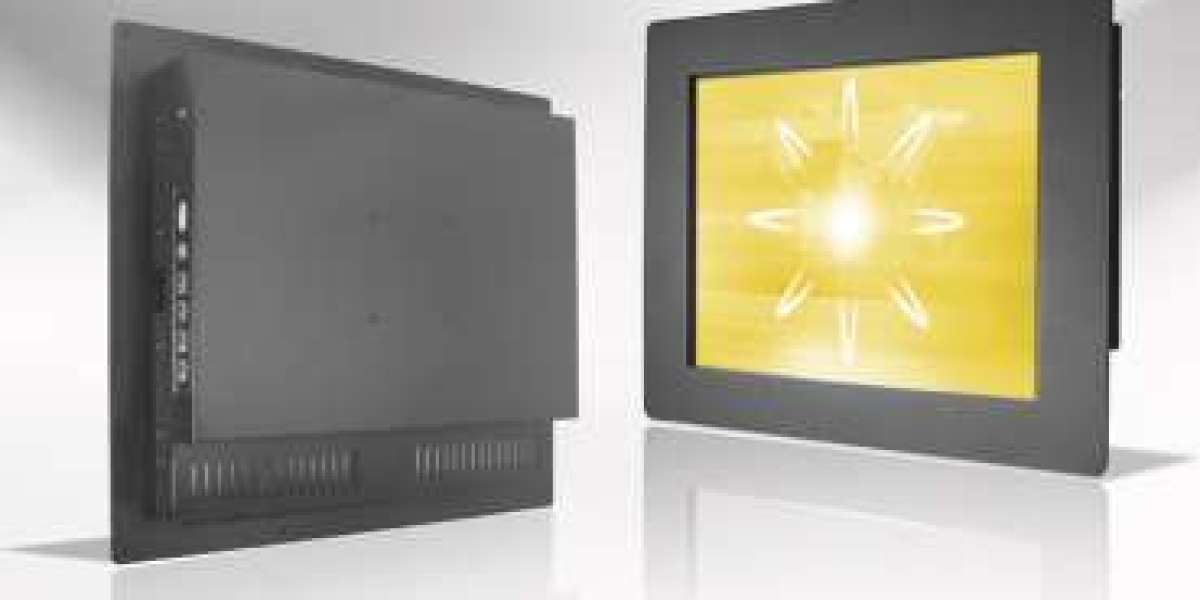
Industrial visualization displays are designed to present operational data clearly in environments where uptime, durability, and continuous monitoring matter. In transportation and infrastructure applications, these displays help operators monitor systems, respond to changes quickly, and maintain better control across complex networks.
Why visualization matters in transportation environments
Transportation systems generate a large amount of real-time data. Vehicle locations, route performance, maintenance alerts, passenger information, fuel usage, environmental conditions, and operational status all require continuous visibility.
Without effective visualization, decision-making becomes slower and less efficient.
Industrial visualization displays allow this information to be presented in a structured and easy-to-read format. Operators can review dashboards, alarms, maps, system health data, and performance metrics from a central interface.
For transport operators, better visibility often means faster response times and improved service continuity.
Fleet operations require real-time visibility
Fleet managers depend on live operational awareness. Whether overseeing delivery fleets, service vehicles, public transit units, or industrial transport systems, understanding what is happening in real time can improve planning and day-to-day control.
Industrial visualization displays support fleet operations by helping teams monitor:
- vehicle movement and positioning
- route progress and dispatch information
- maintenance schedules and diagnostic alerts
- fuel efficiency and utilization metrics
- service status across multiple vehicles
By presenting this information clearly, operators can identify disruptions early and make faster operational decisions.
For growing fleet operations, centralized visibility becomes increasingly valuable as the number of assets expands.
Industrial displays in traffic control and transport infrastructure
Transportation infrastructure often includes control rooms, command centers, monitoring stations, and supervisory environments where operators manage large-scale systems.
In these environments, industrial visualization displays help present:
- traffic flow information
- tunnel and roadway monitoring
- station operations
- surveillance system status
- alarm notifications
- communication system diagnostics
Because infrastructure environments often operate continuously, display reliability becomes critical.
A stable display platform supports uninterrupted visibility across 24/7 monitoring operations.
Why industrial displays are preferred over commercial screens
Standard office displays may work well in general business environments, but transportation and infrastructure systems often operate under more demanding conditions.
Typical challenges include:
- continuous daily operation
- vibration and mechanical stress
- temperature changes
- dust and industrial airborne particles
- bright ambient lighting
- long operational life requirements
An industrial monitor is designed for these conditions. Industrial-grade construction supports stable long-term performance where commercial displays may struggle.
For operators managing mission-critical environments, this reliability can reduce downtime and improve operational confidence.
Supporting operator efficiency
In fast-moving transport environments, information must be easy to interpret.
Industrial visualization displays help improve operator efficiency through:
- clear data presentation
- wide viewing angles
- readable graphics and dashboards
- support for real-time alerts
- better visibility across multi-user environments
When operators can understand system conditions quickly, they can respond faster to unexpected events, delays, or equipment warnings.
This can be particularly valuable in high-volume transport environments where timing matters.
Common application areas
Industrial visualization displays are widely used across transportation and infrastructure sectors.
Public transportation
Rail, metro, bus networks, and passenger terminals use displays for operations control, service monitoring, and network visibility.
Logistics and fleet management
Fleet control centers rely on dashboards for route coordination, vehicle tracking, and maintenance planning.
Traffic management centers
Urban traffic systems use visualization displays to monitor road conditions, traffic flow, and incident response.
Airports and ports
Transport hubs often use industrial displays for operations coordination, infrastructure monitoring, and asset supervision.
Utility and infrastructure facilities
Critical infrastructure operators monitor power systems, communications networks, control environments, and service continuity using industrial visualization platforms.
What to consider when selecting a display
Before choosing an industrial visualization display, evaluate the operating requirements carefully.
Important factors include:
Screen size
The display should match viewing distance, dashboard complexity, and operational context.
Brightness and visibility
High-visibility performance is important in bright control rooms, outdoor-facing environments, or variable lighting conditions.
Mounting format
Panel mount, rack mount, and open frame options should align with installation needs.
Connectivity
Ensure compatibility with control platforms, industrial computers, monitoring systems, and visualization software.
Long-term durability
Transportation infrastructure often requires stable operation over extended deployment cycles.
A practical investment in operational visibility
Transportation, fleet management, and infrastructure monitoring all depend on continuous situational awareness. As systems become more connected and data-driven, visualization becomes increasingly important for maintaining operational control.
A reliable industrial visualization display helps transform complex real-time information into actionable visibility. It supports faster response, better operator awareness, and more dependable monitoring across mission-critical environments.
For transport operators, fleet managers, system integrators, and infrastructure planners, choosing the right display is not simply a hardware decision. It is an investment in long-term operational performance, resilience, and smarter control.
Read More: https://tecsysproductguides.blogspot.com/2026/05/industrial-visualization-displays-for.html