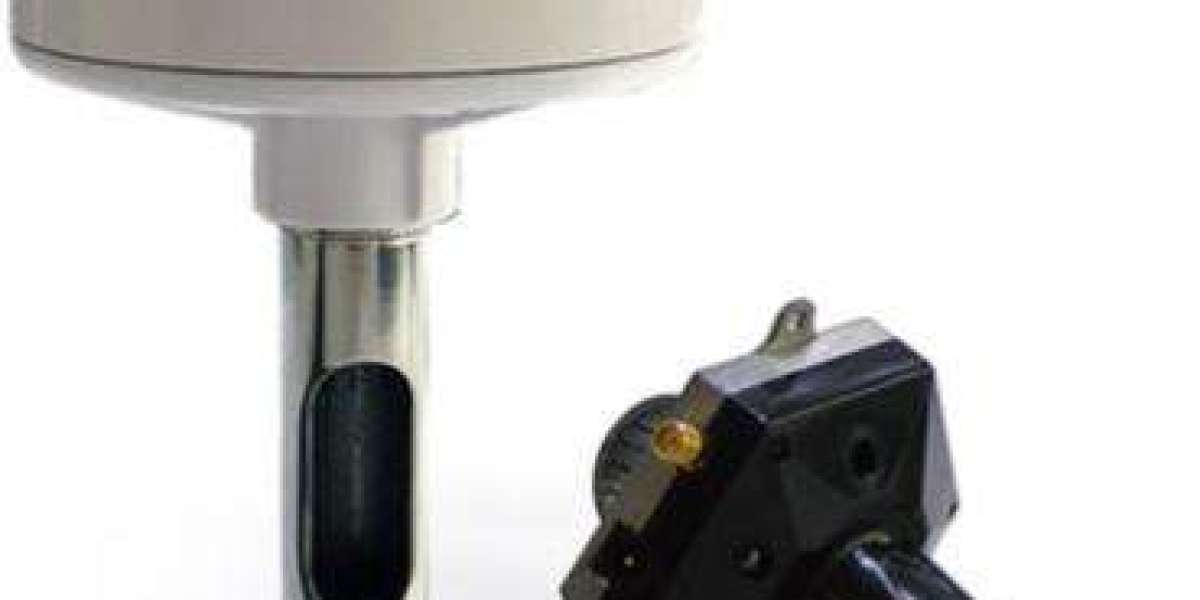
Reliable GPS performance is important for modern vehicle operations. Fleet vehicles, service vans, emergency response units, and industrial transport systems all depend on stable positioning signals for navigation, diagnostics, asset tracking, and operational planning. However, garages and enclosed vehicle storage areas often create conditions where satellite signals become weak or inconsistent.
A GPS Repeater for Garages is a practical solution that helps maintain reliable navigation signal availability inside garages, workshops, parking structures, and maintenance facilities.
Why GPS signals become weak inside garages
GPS signals travel from satellites to receivers through open outdoor environments. In garages, several structural factors can interfere with reception:
- concrete walls and ceilings
- underground parking layouts
- metal roofing and structural reinforcement
- enclosed maintenance bays
- limited line-of-sight to the sky
These conditions can reduce signal strength significantly. As a result, vehicles or onboard equipment may lose positioning data when moved indoors.
For businesses that depend on consistent navigation and tracking, this can create unnecessary interruptions.
How a GPS repeater works
A GPS repeater receives satellite signals using an externally mounted antenna placed where signal reception is strong. The system then re-radiates those signals inside the garage through an internal antenna.
This allows GPS-enabled devices inside the building to continue receiving satellite information without moving the equipment outdoors.
In practical terms, the repeater extends usable GPS coverage from outside the building to indoor operating areas.
Why garages benefit from GPS repeaters
Continuous signal availability during vehicle servicing
Maintenance teams often test onboard navigation units, telematics devices, data loggers, and GPS-enabled systems while vehicles remain inside service bays. Weak indoor reception can interrupt testing and diagnostics.
A repeater helps maintain usable signal conditions during inspection, service, and commissioning work.
Better fleet management efficiency
Fleet operators often move vehicles in and out of enclosed parking areas. When GPS signals drop indoors, location visibility can become inconsistent.
A repeater supports smoother asset tracking and better operational continuity across parking and maintenance environments.
Improved workshop productivity
Technicians often need to verify navigation system performance without moving vehicles outside. Stable indoor GPS coverage can reduce delays and make testing more efficient.
What to look for before purchasing
Not every repeater fits every garage environment. Before buying, evaluate the following:
Coverage area
Consider the size of the garage or workshop. Larger indoor spaces may require wider re-radiation coverage or carefully planned antenna placement.
Signal compatibility
Verify that the repeater supports the GPS bands or GNSS signals used by your installed equipment.
Installation conditions
Think about ceiling height, wall materials, equipment layout, and where vehicles typically operate indoors.
Industrial-grade durability
Commercial garages often experience vibration, dust, temperature variation, and continuous usage. Choose equipment designed for long-term professional operation.
When should you consider buying one?
A GPS repeater becomes a strong investment when:
- GPS devices lose signal inside garages
- indoor vehicle testing is part of regular operations
- navigation systems require stable positioning during maintenance
- fleet visibility drops in enclosed parking areas
- indoor diagnostics depend on continuous satellite reception
These are common indicators that signal distribution inside the building needs improvement.
A practical investment for reliable indoor navigation
For businesses operating fleets, workshops, maintenance centers, and enclosed vehicle facilities, stable indoor signal access can improve efficiency and reduce interruptions.
A well-designed GPS repeater helps extend outdoor satellite reception into indoor environments where GPS signals are naturally weaker. That means more reliable navigation testing, better operational continuity, and smoother day-to-day vehicle management.
When choosing a solution, focus on compatibility, installation environment, and long-term reliability. The right GPS repeater can become a valuable part of your garage infrastructure.
Read More: https://tecsysproductguides.blogspot.com/2026/05/how-gps-repeater-for-garages-helps.html