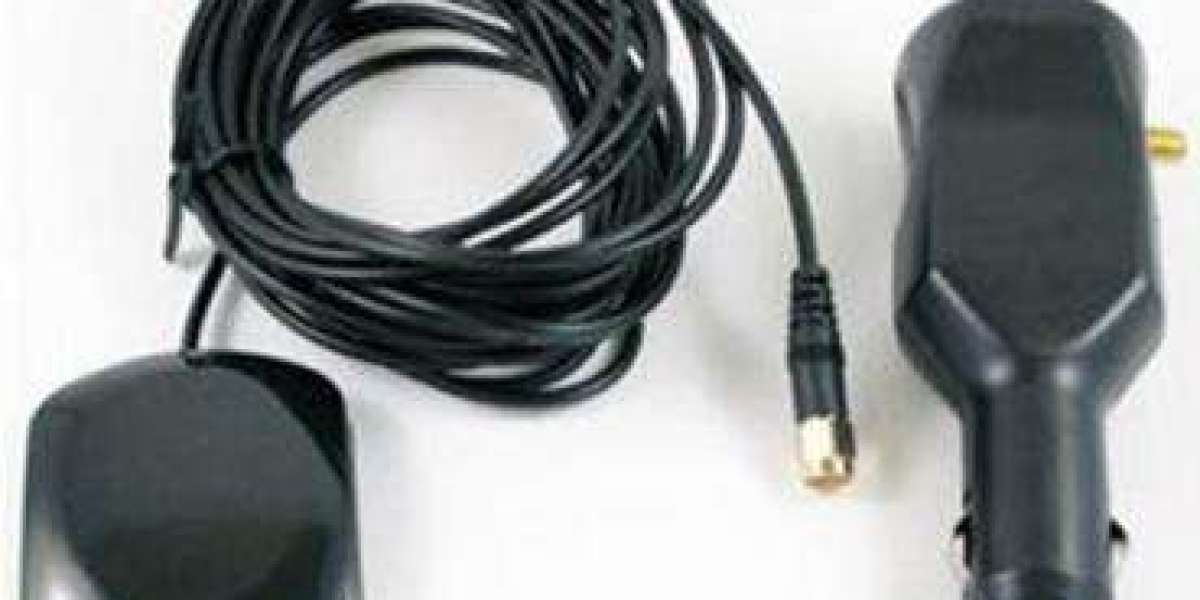
Reliable GPS reception is essential for modern vehicle operations. Whether you manage commercial fleets, emergency response vehicles, industrial machinery, or specialized transport systems, stable positioning data supports navigation, routing efficiency, asset visibility, and operational accuracy. When GPS signals become weak inside vehicles or enclosed environments, a GPS antenna repeater can provide a practical solution.
Before purchasing, it helps to understand what matters most so you select a system that delivers dependable performance in real operating conditions.
Why businesses use GPS antenna repeaters
GPS signals can weaken when vehicles have metallized windshields, coated glass, enclosed cabins, or equipment compartments that reduce signal penetration. This often affects navigation terminals, onboard tracking devices, data loggers, and in-vehicle GPS-enabled systems.
A GPS antenna repeater receives satellite signals from an external antenna mounted where reception is strong and retransmits them inside the vehicle. The result is more consistent signal availability for internal devices without relocating sensitive equipment.
For fleet operators, industrial users, and transport businesses, this can improve day-to-day reliability while reducing signal interruptions.
What to look for before you buy
Signal compatibility
Start by checking which GPS band your application requires. Many vehicle applications operate on GPS L1, but compatibility should always match the receivers installed in your system.
A repeater that aligns with your existing GPS hardware will generally deliver more stable performance and easier integration.
Installation environment
Think about where the repeater will operate.
Commercial vehicles, service vans, emergency vehicles, public transport units, and industrial machinery all present different installation conditions. Consider:
- enclosed cabins
- coated or heated windshields
- metallic body structures
- internal device placement
- available antenna mounting positions
The installation environment directly affects signal routing quality.
Antenna quality and placement
The external antenna captures the satellite signal, so antenna quality matters significantly.
Look for solutions designed for vehicle roof installation or external mounting positions with clear sky visibility. A well-positioned antenna generally performs better than simply increasing amplification.
The internal antenna should provide consistent coverage to the required onboard devices without excessive signal leakage.
Vehicle-grade durability
Commercial environments demand hardware built for continuous operation.
When evaluating products, look for:
- vibration-resistant construction
- stable operation across varying temperatures
- secure connectors
- robust cabling
- reliable long-term vehicle integration
For professional deployments, durability can be just as important as signal performance.
System integration
If your vehicle already uses telematics platforms, fleet tracking units, navigation systems, industrial computers, or data collection equipment, confirm compatibility before purchase.
A repeater should support existing infrastructure rather than require costly modifications.
Commercial benefits of choosing the right GPS repeater
A well-matched GPS antenna repeater can provide practical operational advantages:
- improved signal availability inside enclosed vehicles
- more stable navigation performance
- reduced tracking interruptions
- better positioning reliability for onboard systems
- smoother fleet operations and reduced downtime
For organizations that depend on location accuracy, these benefits often translate into measurable operational efficiency.
When should you consider buying one?
A GPS antenna repeater is worth considering when:
- GPS devices work outside but lose signal inside the vehicle
- vehicles use metallized or heated glass
- onboard equipment is installed deep inside enclosed cabins
- fleet visibility becomes inconsistent
- tracking reliability is important for daily operations
These are common signs that signal distribution inside the vehicle may need improvement.
Making the right purchase decision
The best buying decision is not simply choosing the highest amplification or the lowest price. It is selecting a repeater designed for your operating environment, receiver type, installation layout, and long-term reliability needs.
Businesses that evaluate compatibility, installation conditions, antenna quality, and durability before purchasing usually achieve better results and lower deployment risk.
If your vehicles depend on uninterrupted GPS performance, investing in the right GPS antenna repeater can be a practical upgrade that supports more reliable navigation, tracking, and operational continuity.
You have not enough Humanizer words left. Upgrade your Surfer plan.
Read More: https://tecsysproductguides.blogspot.com/2026/05/gps-antenna-repeater-buying-guide-what.html