
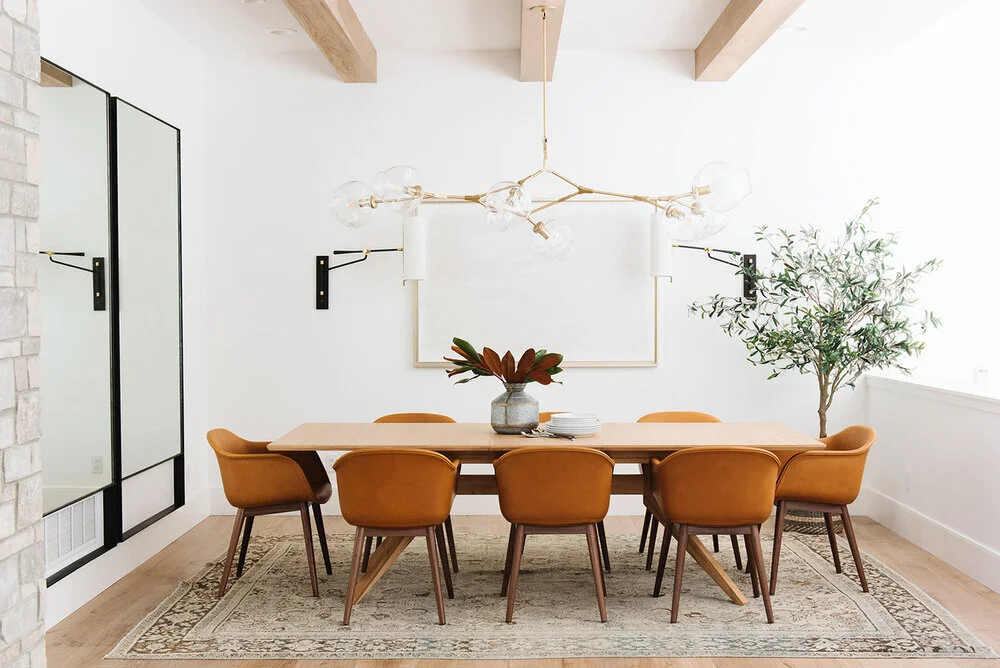
Small Space, Big Style: Selecting Modern Dining Room Furniture for Compact Homes

Creating a stylish dining area in a compact home can be challenging, especially when every square foot needs to serve a practical purpose. Apartments, small houses, and open-plan living spaces often require homeowners to make thoughtful furniture choices that balance comfort, functionality, and appearance. The right modern dining room furniture can transform even a limited area into an inviting place for family meals, casual conversations, and entertaining guests. With carefully selected furniture, suitable materials, and smart layouts, a small dining room can feel spacious without sacrificing its personality.
Modern interior design focuses on making the best use of available space while maintaining a clean and organized appearance. Instead of filling a room with oversized furniture, homeowners can choose compact dining tables, multifunctional seating, streamlined storage, and carefully planned decorative elements. These choices help create an environment that feels comfortable and visually balanced. Whether you live in a studio apartment or a small family home, understanding how to select appropriate dining furniture can make a noticeable difference in the way your space looks and functions.
Understanding the Challenges of Furnishing a Compact Dining Area
Small dining spaces require a different approach to furniture selection compared with larger rooms. Oversized tables, bulky chairs, and unnecessary storage units can quickly make a compact area feel crowded. Limited walking space may also affect everyday activities, making it difficult to move chairs, serve meals, or access nearby rooms. Before purchasing furniture, homeowners should evaluate the room's dimensions and identify how the dining area will be used.
An effective starting point is measuring the available floor space, including doorways, windows, and nearby walkways. Consider the number of people who regularly use the dining area and whether additional seating is occasionally required. A dining arrangement for two people has different requirements from one designed for a family of four. Understanding these needs helps prevent unnecessary purchases and ensures that furniture fits comfortably within the available space.
Another important consideration is the relationship between the dining area and surrounding rooms. In open-plan apartments, the dining space may share its surroundings with the kitchen or living room. Choosing furniture that complements these areas can create a consistent visual appearance. Coordinated materials, similar color palettes, and streamlined designs help establish a natural connection between different functional zones.
Choose Compact Dining Tables With Smart Designs
The dining table is usually the central element of any dining arrangement, so selecting the right shape and size is essential. For compact homes, round and oval tables are often practical choices because their curved edges create a softer appearance and can make movement around the table easier. A small round table can provide comfortable seating for everyday meals without occupying as much visual space as a large rectangular design.
Rectangular tables can also work well when positioned against a wall or placed within a narrow dining area. Slim tabletops and simple supporting structures help reduce visual weight while maintaining useful surface space. Square tables are another option for small dining rooms, particularly when the available layout is relatively balanced. The best shape depends on the room's dimensions, seating requirements, and surrounding furniture.
Extendable dining tables are especially useful for homeowners who occasionally entertain guests. These designs provide a smaller surface for everyday use and additional space when needed. Some models include hidden extension leaves, while others feature sliding or folding sections. Before purchasing, check that the extension mechanism operates smoothly and that the expanded table still leaves enough room for chairs and movement.
Wall-mounted and drop-leaf tables offer additional flexibility in particularly small spaces. Their folding surfaces can be adjusted according to daily requirements, allowing homeowners to reclaim valuable floor space when the table is not being used. These designs are especially suitable for studio apartments, compact kitchens, and multifunctional rooms where permanent dining furniture may not be practical.
Select Space-Saving Chairs and Multifunctional Seating
Dining chairs can occupy a surprising amount of space, particularly when they are bulky or difficult to move. Compact chairs with slim frames, open backs, and streamlined proportions are generally better suited to smaller dining areas. Their lighter appearance helps maintain visual openness while providing the seating needed for everyday activities. Choosing chairs that fit neatly beneath the tabletop can also improve the room's overall organization.
Armless dining chairs are another practical option because they require less width than many traditional designs. Upholstered versions can provide additional comfort without introducing excessive bulk. Wooden and metal chairs are also popular because they combine simple construction with different decorative possibilities. When selecting any chair, check the seat height, back support, and overall stability rather than focusing only on appearance.
Dining benches can be particularly useful in compact homes. A bench placed along one side of a table can accommodate multiple people while taking up less visual space than individual chairs. Some designs also include built-in storage compartments for table linens, cushions, or other household essentials. When not in use, benches can often slide underneath the table, helping maintain a cleaner floor arrangement.
Stackable and folding chairs provide another convenient solution for occasional guests. They can be stored in a closet or unused corner and brought out whenever additional seating is needed. This approach allows homeowners to maintain a comfortable everyday dining setup without permanently filling the room with extra furniture.
Use Light Colors and Materials to Create an Open Appearance
Material and color choices have a significant influence on how spacious a compact dining area feels. Light-colored finishes such as natural oak, pale walnut, cream, white, and soft beige can help create an airy appearance. These shades reflect available light and make furniture feel less visually dominant. Combining lighter finishes with simple silhouettes can prevent a small room from feeling crowded.
Glass tabletops are another option for creating a sense of openness. Because they allow light to pass through, they can make dining furniture appear visually lighter than solid surfaces. However, glass requires regular cleaning to remove fingerprints and marks. Homeowners with young children may also prefer durable alternatives with rounded edges and easier maintenance requirements.
Natural wood remains a popular choice because it introduces warmth and texture without requiring complicated decoration. Slim wooden legs, smooth tabletops, and subtle grain patterns work particularly well in contemporary dining spaces. Metal frames can also complement wooden surfaces, providing structural support while maintaining a streamlined appearance. Choosing materials that coordinate with existing flooring and kitchen finishes helps create a cohesive interior.
Reflective surfaces, mirrors, and well-positioned lighting can further enhance the appearance of a compact dining room. A mirror placed on a suitable wall can visually extend the space, while a simple pendant light can establish a focal point above the table. These details should complement the furniture rather than compete with it, allowing the room to feel balanced and inviting.
Incorporate Modern Desk Decor Into Multifunctional Living Spaces
In many compact homes, the dining area serves more than one purpose. It may function as a place for meals, remote work, studying, and everyday household activities. This makes flexible decorating particularly important, especially when homeowners need to create a workspace without adding another large piece of furniture. Modern desk decor offers useful inspiration for organizing these multifunctional environments while maintaining a clean and contemporary appearance.
A dining table can occasionally double as a temporary workspace when its dimensions and construction support both activities. Keep the surface organized with compact storage trays, practical organizers, and a small desk accessory arrangement. Neutral materials, subtle metallic finishes, and natural textures can help maintain a coordinated appearance. After working, these accessories can be stored away to restore the table's primary dining function.
Lighting is another important consideration when combining dining and working activities. A portable desk lamp or adjustable lighting fixture can provide focused illumination when the table is being used for tasks that require concentration. Choose a design that complements the dining furniture and does not occupy excessive surface space. Adequate lighting also helps make the area more comfortable during evening activities.
Wall-mounted shelves can provide additional storage without taking up valuable floor space. They are useful for organizing books, decorative accessories, small plants, and everyday essentials. By keeping frequently used items accessible but organized, homeowners can maintain a dining area that feels functional rather than cluttered. The key is to select accessories that serve a purpose while supporting the overall interior design.
Maximize Storage Without Making the Room Feel Crowded
Storage is essential in compact homes because limited space often means there are fewer places to keep dining essentials. Sideboards and large cabinets may be attractive, but they can overwhelm a small dining area if their dimensions are not appropriate. Instead, consider narrow storage units, wall-mounted shelving, and multifunctional furniture that provides useful organization without occupying unnecessary floor space.
A slim sideboard can store plates, glasses, serving utensils, and table linens while providing an additional surface for decorative accessories. Choose a design with simple doors and a finish that complements the dining table. Open shelving can also be effective when used carefully, although excessive objects may create visual clutter. Keeping only frequently used or attractive items on display helps maintain an organized appearance.
Furniture with concealed storage offers another practical solution. Dining benches with compartments, tables with built-in drawers, and compact cabinets can help make better use of available space. These options are especially valuable when the dining area also functions as a workspace or general living area. Selecting multifunctional pieces reduces the need for separate storage furniture.
Vertical space should not be overlooked. Wall shelves, hooks, and carefully positioned cabinets can provide additional storage without restricting movement around the room. However, avoid installing too many units or filling every available wall with accessories. A balanced arrangement gives the dining area room to breathe while keeping essential items within reach.
Create a Stylish Dining Area With Minimal Decoration
Decorating a small dining area requires careful attention to scale and placement. Large centerpieces, oversized artwork, and excessive accessories can make a compact room feel visually crowded. Instead, choose a few decorative elements that complement the furniture and introduce personality without taking over the available space. A simple vase, small ceramic bowl, or understated centerpiece can provide enough visual interest.
Plants are another effective way to introduce freshness into a dining room. Small tabletop plants or compact floor plants can soften the appearance of modern furniture and add natural texture. Choose varieties that suit the available lighting and require an appropriate level of maintenance. Avoid placing large planters in narrow walkways where they could interfere with everyday movement.
Rugs can help define the dining area, particularly in open-plan homes where the kitchen and living room share one space. Select a rug that is appropriately sized for the table and chairs, allowing enough room for chairs to remain on the rug when pulled out. Low-pile materials are generally easier to maintain in dining areas because they make cleaning crumbs and everyday spills more manageable.
Finally, maintain a consistent decorating approach throughout the room. Choose complementary colors, coordinate furniture finishes, and avoid introducing too many competing patterns. A carefully arranged dining area does not need numerous accessories to feel complete. Thoughtful furniture selection and a few distinctive decorative details can create a sophisticated environment that feels both comfortable and personal.
Conclusion
Designing a stylish dining area in a compact home is possible with thoughtful planning and the right furniture choices. Modern dining room furniture offers practical solutions through compact tables, multifunctional seating, lightweight materials, and space-efficient storage. By considering room dimensions, everyday requirements, and furniture proportions, homeowners can create a dining environment that feels comfortable without occupying unnecessary space.
Incorporating modern desk decor into multifunctional living areas can provide additional flexibility for households that combine dining, working, and everyday activities in the same room. Light colors, natural materials, suitable lighting, and carefully selected accessories can further improve the overall appearance. Ultimately, successful small-space design is about making every piece serve a purpose while maintaining visual balance. With the right approach, even a modest dining area can deliver impressive style, comfort, and functionality.


