
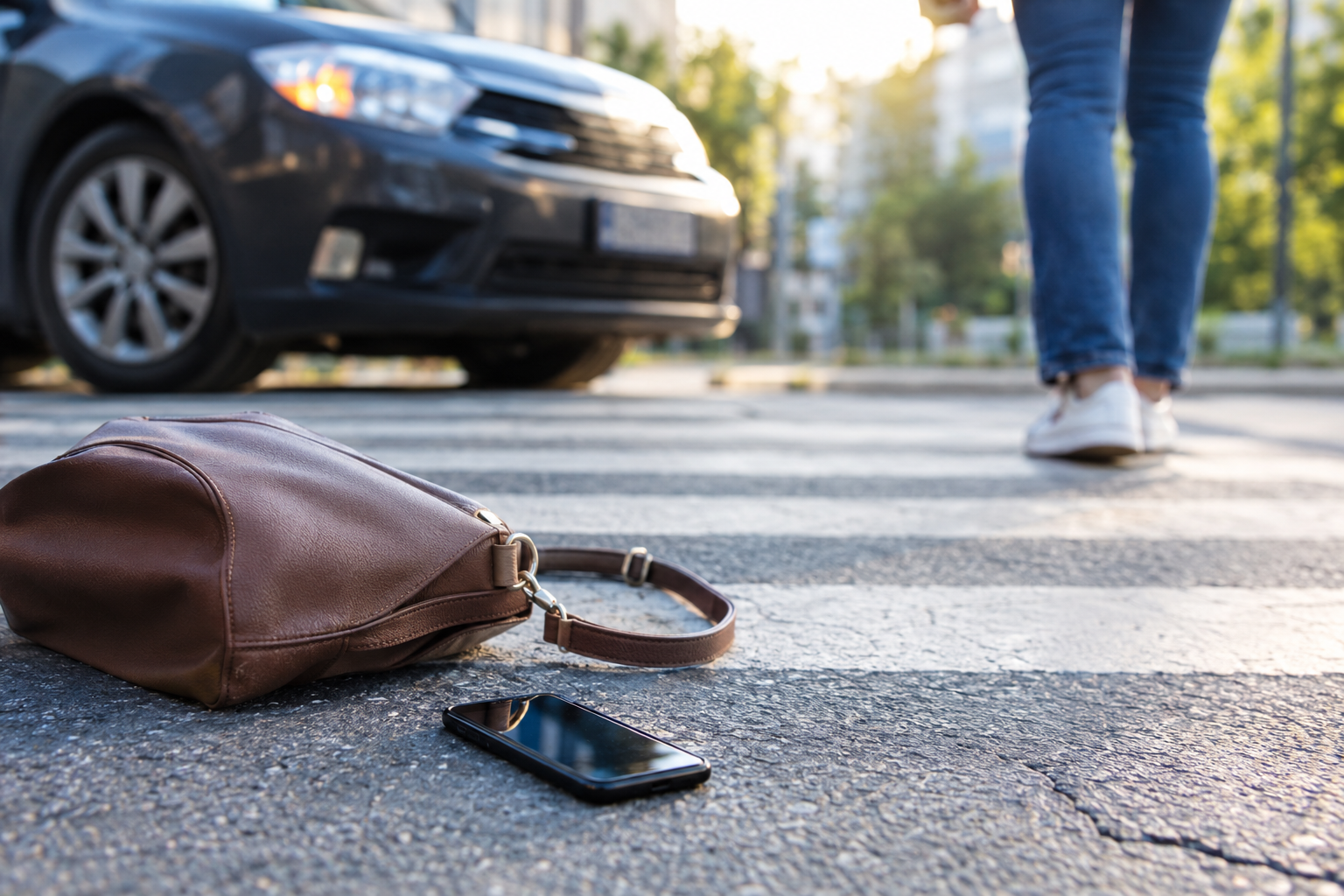

A pedestrian accident can happen in seconds, but the physical, emotional, and financial consequences may last for months or even years. A person walking across an intersection, using a sidewalk, or crossing a parking lot can suffer serious injuries when a driver fails to pay attention. Medical bills, missed work, rehabilitation expenses, and ongoing pain can quickly become overwhelming for injured pedestrians and their families.
Knowing what to do after a collision can help protect your health and your legal rights. A pedestrian accident lawyer can explain your options, help organize evidence, communicate with insurance companies, and determine whether you may be entitled to compensation. Understanding the claims process is especially important in New Jersey, where traffic laws and insurance rules can affect how an injury claim proceeds.
What Should You Do Immediately After a Pedestrian Accident?
Your actions after an accident can make a meaningful difference to your recovery and potential legal claim. Although every situation is different, several practical steps can help protect you.
1. Seek Medical Attention
Your health should always come first. Call 911 if anyone is seriously injured, and accept emergency medical assistance when necessary. Even if you feel relatively well, consider getting examined by a healthcare professional. Injuries such as concussions, internal bleeding, and soft-tissue damage may not produce obvious symptoms immediately.
Keep copies of medical records, prescriptions, diagnostic reports, treatment plans, and rehabilitation expenses. These documents can help establish the nature and extent of your injuries.
2. Report the Accident
Contact law enforcement and request assistance documenting the collision. An official police report may contain information about the location, vehicles involved, witness statements, and the responding officer's observations.
Ask how to obtain a copy of the report. Avoid assuming that a police report automatically determines who is legally responsible; liability may require further investigation.
3. Gather Available Evidence
If you can do so safely, collect information that may help explain how the accident happened. Useful evidence includes:
-
Photographs of the accident scene, crosswalks, traffic signals, and visible injuries.
-
The driver's name, contact information, license plate, and insurance details.
-
Names and contact information of witnesses.
-
Nearby surveillance cameras or available traffic-camera footage.
-
Medical records and documentation of missed work.
Write down your recollection of the collision while the details are still fresh. Do not put yourself in danger to collect evidence, and avoid posting detailed statements about the accident on social media.
Common Causes of Pedestrian Accidents
Pedestrian collisions can result from driver negligence, unsafe road conditions, or a combination of contributing factors. Identifying the cause is an important part of evaluating a potential injury claim.
Common causes include:
-
Distracted driving: Drivers looking at phones, navigation systems, or other distractions may fail to notice pedestrians.
-
Failure to yield: A motorist may disregard a pedestrian crossing at an intersection or marked crosswalk.
-
Speeding: Higher speeds can reduce a driver's reaction time and increase the severity of injuries.
-
Impaired driving: Alcohol or drugs can affect judgment, coordination, and awareness.
-
Unsafe turns: Drivers making left or right turns may overlook people crossing the street.
-
Poor visibility: Inadequate lighting, obstructed sightlines, and bad weather can contribute to collisions.
-
Backing accidents: Drivers reversing from driveways or parking spaces may fail to check for pedestrians.
Determining the cause may involve reviewing photographs, witness accounts, vehicle damage, surveillance footage, and other available evidence.
How a Pedestrian Accident Lawyer Can Help
After a serious collision, dealing with insurance companies and legal paperwork can be difficult while recovering from injuries. A pedestrian accident lawyer can help explain the process and identify steps that may strengthen a claim.
Investigating the Accident
A thorough investigation can help establish how the collision occurred. Depending on the circumstances, an attorney may review police reports, obtain available video footage, interview witnesses, and examine relevant traffic or vehicle evidence.
The goal is to determine whether a driver, another responsible party, or multiple parties contributed to the accident.
Establishing Negligence
To pursue a negligence claim, an injured pedestrian generally needs evidence supporting the applicable legal elements, including a duty of care, a breach of that duty, causation, and resulting damages.
For example, evidence may show that a driver failed to yield while turning and struck a pedestrian lawfully crossing the street. The specific facts and applicable law determine whether the driver can be held responsible.
Handling Insurance Communications
Insurance adjusters may request statements, medical records, or other documentation. Their questions can affect how a claim is evaluated, so it is important to understand what you are being asked to provide.
A lawyer can communicate with insurers, organize supporting documents, review settlement proposals, and explain potential risks before you accept an offer. You should provide truthful information and avoid speculating about facts you do not know.
Calculating Potential Compensation
The value of a pedestrian injury claim depends on the injuries, available evidence, insurance coverage, and applicable law. Potential damages may include:
-
Reasonable and necessary medical expenses.
-
Future treatment and rehabilitation costs.
-
Lost wages and, where supported, reduced future earning capacity.
-
Pain and suffering.
-
Loss of normal activities or enjoyment of life, where legally recoverable.
Not every claim includes every category. Compensation must be supported by the facts and the law governing the case.
Understanding Pedestrian Accident Claims in New Jersey
New Jersey has specific laws that may influence a pedestrian injury claim. Understanding these rules can help injured individuals make informed decisions.
Comparative Negligence
New Jersey generally follows a modified comparative negligence system. Under the state's comparative negligence law, an injured person may recover damages if their percentage of fault does not exceed the fault of the party or parties against whom recovery is sought, subject to the law's requirements. A claimant's recoverable damages may be reduced according to their share of responsibility.
For example, if a pedestrian is found 20% responsible for an accident and the total recoverable damages are $100,000, a 20% reduction would leave $80,000, assuming the other legal requirements are met.
The details matter. Crossing outside a marked crosswalk does not automatically mean a pedestrian has no claim; the circumstances and applicable traffic laws must be evaluated.
Filing Deadlines
New Jersey generally has a two-year statute of limitations for personal injury claims, although exceptions may apply. Different rules can govern claims involving public entities, minors, or other special circumstances.
Claims against public entities may involve additional notice requirements and shorter deadlines. If a government vehicle or public entity may be responsible, seek legal advice promptly rather than relying on the general two-year period.
Insurance Coverage
The insurance coverage available after a pedestrian collision depends on the circumstances. Potential sources may include the driver's liability insurance and, in some situations, applicable personal injury protection benefits under a New Jersey auto insurance policy.
Eligibility can depend on policy terms, household relationships, vehicle involvement, and other facts. A qualified attorney can help identify which coverage provisions may apply to your situation.
How to Document Your Losses After a Pedestrian Accident
Good documentation helps explain how the accident affected your daily life and finances. Start a dedicated folder for accident-related records and update it throughout your recovery.
Keep medical invoices, pharmacy receipts, transportation expenses, employer statements, and pay records showing missed work. If your injuries interfere with routine activities, maintain a simple journal describing your symptoms, limitations, and treatment progress.
Follow your healthcare provider's recommendations and attend scheduled appointments when possible. If you cannot attend an appointment, document the reason and discuss rescheduling with your provider.
Avoid exaggerating symptoms or estimating expenses without supporting information. Accurate records are generally more useful than incomplete or inconsistent documentation.
How to Evaluate a Pedestrian Accident Lawyer
Choosing legal representation is an important decision, particularly when injuries require extensive treatment or create long-term financial concerns.
Consider asking prospective attorneys these questions:
-
What experience do you have handling pedestrian accident and personal injury claims?
-
What evidence would be important in my case?
-
Which insurance policies might apply?
-
What challenges could affect liability or compensation?
-
How are legal fees and case-related expenses handled?
-
How will you communicate updates about my claim?
Look for clear explanations, realistic expectations, and transparent fee arrangements. No attorney can guarantee a particular settlement or outcome.
People researching Law Office Of Arron or other legal service providers should also verify the firm's correct legal name, credentials, practice areas, and contact information before deciding whom to contact.
Mistakes to Avoid After a Pedestrian Collision
Certain decisions can create unnecessary complications during the claims process.
Avoid accepting a quick settlement before understanding your injuries and potential future treatment needs. Once a settlement and release are finalized, you may be unable to seek additional compensation for the same claim.
Do not ignore medical advice, discard relevant records, or make unsupported statements about who caused the collision. Be cautious about giving recorded statements to an opposing insurance company before understanding your rights.
You should also act promptly to preserve evidence. Surveillance footage may be overwritten, witnesses may become difficult to locate, and important details can fade with time.
Conclusion
A pedestrian accident can disrupt your health, employment, finances, and everyday routine. Seeking medical attention, preserving evidence, documenting your losses, and understanding New Jersey's legal requirements can help you make informed decisions after a collision.
A pedestrian accident lawyer can evaluate the available evidence, explain potential insurance options, and help you understand the process for pursuing compensation. Acting promptly is particularly important when evidence may disappear or special filing deadlines apply.
Whether you are dealing with medical expenses, lost wages, or questions about who caused the accident, focus on your recovery while keeping accurate records of your losses. Reliable information and appropriate legal guidance can help you understand your options and take the next steps with greater confidence.


