
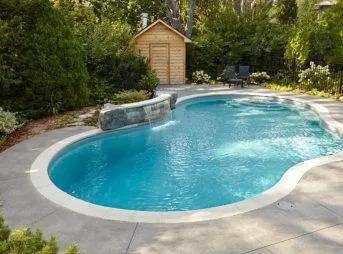
What Should Homeowners Know Before Building a Swimming Pool in Their Backyard?

A backyard swimming pool can make a home more enjoyable by creating a dedicated space for relaxation, exercise, and entertaining guests. It can also complement outdoor landscaping and provide families with more opportunities to spend time together. However, building a pool involves several important decisions that affect its appearance, functionality, maintenance, and long-term value.
From evaluating the available space to selecting materials and planning safety features, homeowners benefit from understanding the construction process before work begins. Careful preparation helps establish realistic expectations and makes it easier to create a pool that fits both the property and the household's needs.
Evaluate Your Backyard Before Choosing a Pool Design
The first step is to understand how a pool will fit into the available outdoor space. Homeowners should consider the yard's dimensions, ground conditions, drainage, existing structures, and access for construction equipment. These factors help determine which pool shapes and sizes are practical.
A large backyard may accommodate a spacious pool with a surrounding deck, while a smaller property may benefit from a compact design that preserves room for gardens and seating. The pool should also allow convenient movement between the house, outdoor entertainment areas, and other parts of the yard.
Set a Realistic Budget for the Project
The total cost of building a pool extends beyond the structure itself. Excavation, site preparation, plumbing, filtration equipment, electrical work, finishing materials, and landscaping can all contribute to the final expense. Permits, inspections, and safety requirements may also affect the budget.
Homeowners should request a detailed estimate that explains the work included and identifies potential additional costs. Comparing proposals is more useful when each contractor provides information about similar project components, materials, and specifications.
A clear budget helps homeowners make informed decisions about optional features such as heating systems, decorative lighting, water features, and automated pool controls without overlooking essential construction requirements.
Select Materials That Match Your Needs
Different pool construction methods offer different benefits. Concrete pools allow considerable flexibility in shape, depth, and finish, making them suitable for customized designs. Vinyl-lined pools offer another option, with a fitted liner providing the interior surface. Fibreglass pools may also be available depending on the property's requirements and local contractors.
When selecting a construction method, consider durability, maintenance, design preferences, and the expected cost over time. The suitability of each option depends on the site, the intended use, and the quality of the installation work.
Swimming pool installation should account for ground conditions, drainage, structural requirements, and the materials needed to support long-term performance. Discussing these factors with an experienced contractor can help homeowners understand the advantages and limitations of different designs before making a final decision.
Prepare the Site and Organize the Construction Process
Site preparation is an important stage because the pool must be built on a properly evaluated and prepared area. Contractors typically assess underground utilities, access routes, soil conditions, drainage, and the location of existing structures before excavation begins.
Homeowners should also confirm local permit requirements and applicable regulations. Depending on the location, rules may cover property setbacks, barriers, fencing, electrical installations, and other safety measures. Resolving these requirements before construction helps avoid unnecessary delays.
Before scheduling the work, homeowners planning swimming pool installation should discuss the project timeline, equipment access, waste removal, and the areas of the yard that will be temporarily unavailable. Understanding these practical details helps households prepare for construction and communicate more effectively with the contractor.
Regular updates are useful throughout the process. They allow homeowners to understand progress, clarify questions, and review proposed changes before additional work is completed.
Design the Surrounding Outdoor Living Area
The area around a pool is just as important as the pool itself. A carefully planned deck provides space for walking, relaxing, and gathering with family or friends. The choice of surface material should consider traction, durability, comfort, and exposure to water and sunlight.
Landscaping can help the pool blend naturally into the backyard. Shrubs, ornamental grasses, and suitable planting areas can add colour and privacy. However, plant selection should account for maintenance needs, falling leaves, root growth, and the distance between vegetation and pool equipment.
Coordinating decking, landscaping, and drainage during swimming pool installation can help prevent unnecessary rework. Planning these features together creates a more consistent design and makes better use of the available outdoor space.
Make Safety and Maintenance Part of the Plan
Pool safety should be considered before construction rather than added as an afterthought. Appropriate barriers, secure gates, suitable covers, and clearly defined access areas can help reduce risks. Homeowners should follow local safety regulations and maintain active supervision whenever children are in or near the water.
Reliable filtration and circulation equipment is equally important. These systems support water quality and help maintain comfortable swimming conditions. Depending on the pool design, homeowners may also consider heating equipment, automatic cleaners, or controls that simplify routine maintenance.
Before using the completed pool, ask the contractor to explain equipment operation, cleaning procedures, water testing, and recommended servicing. Understanding these responsibilities helps homeowners establish a manageable maintenance routine.
Conclusion
Building a backyard pool requires more than choosing an attractive design. Thoughtful budgeting, suitable materials, careful site preparation, and attention to safety all contribute to a successful project. By considering how the pool will fit into everyday life and planning the surrounding outdoor area at the same time, homeowners can create a practical and inviting space for years of enjoyment.


