
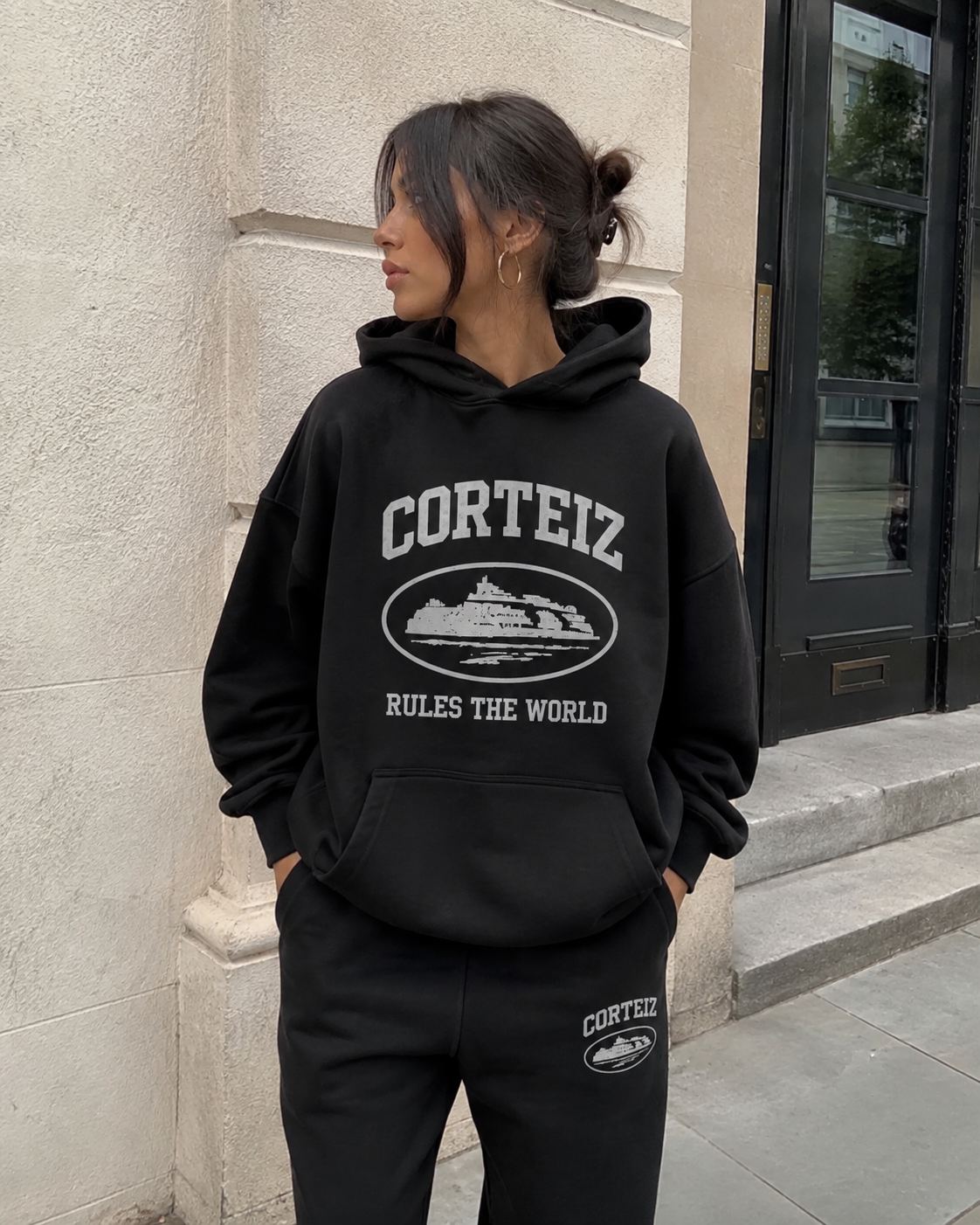
How Corteiz Used Limited Drops and Community to Build a Streetwear Brand ?

Few streetwear labels have grown as fast as one that began with a small London following. Instead of buying advertising, the brand built momentum through scarcity, storytelling, and a loyal community. This article explains how that strategy works and why it still matters today. First, we look at the origins of the label. Next, we examine limited drops, surprise releases, and the psychology behind them. Then we explore community building, cultural symbols, and collaborations. Finally, we share practical lessons for small brands and discuss how hype must connect with quality and trust if a label wants lasting success.
The Origins of a London Streetwear Label
Founded in London in 2017 by Clint Ogbenna, Corteiz started as a small, independent project rather than a corporate fashion house. The founder focused on a clear identity from the start, using the slogan Rules the World and an Alcatraz-inspired logo that fans quickly recognized. Because the brand avoided traditional marketing, it relied on social media, street presence, and word of mouth. As a result, early supporters felt like insiders instead of customers. Moreover, the label stayed closely tied to British street culture, which gave its designs authenticity. This independent spirit explains why people still treat the brand as more than clothing.
How Limited Drops Create Demand
A drop is a limited release sold for a short time or in small quantities. Instead of filling shelves all year, the brand releases a few pieces and then moves on. This approach protects exclusivity, because supply never overwhelms demand. In addition, Corteiz fans learn to watch announcements closely, which keeps attention high between releases. Meanwhile, the team avoids unsold stock and focuses on fewer designs with stronger concepts. Therefore, each drop feels like an event rather than a routine product launch. Drop culture rewards patience and speed, and it turns shopping into a shared experience that people discuss online.
Scarcity, Urgency, and Perceived Value
People value what is hard to get. When supply stays limited, ownership becomes a signal that says you paid attention and acted fast. Psychologists call this scarcity bias, and marketers use it to create urgency. However, scarcity works only when the product deserves the hype. For example, a Corteiz tee or hoodie gains status because buyers believe the design, the story, and the rarity belong together. Consequently, perceived value rises above the price tag. Smart brands protect this effect by keeping quantities honest and communicating clearly, because customers quickly notice artificial shortages and lose trust.
Surprise Releases and Secret Locations
Surprise releases add another layer of excitement. Rather than publishing a calendar, the label is widely known for sudden announcements and in-person events, which pull fans away from screens and into the street. Because nobody knows exactly when or where the next release will happen, followers stay alert and share information with each other. This behavior builds social proof, since crowds signal demand before any advertisement appears. In addition, in-person drops create photos and videos that spread online for free. Corteiz therefore earns attention without paying for it, and every queue becomes part of the brand story.
Community as the Real Engine of Growth
Limited drops attract attention, but community keeps it. Strong streetwear brands treat customers as members of a group instead of names on a mailing list. They use social media, events, and shared symbols to build identity, and fans respond by wearing the logo as a badge of belonging. Because members talk to each other, word of mouth multiplies without advertising budgets. Moreover, a loyal group forgives small mistakes and defends the brand online. In the case of Corteiz, the community often feels like a movement, and that emotional connection explains why customers return drop after drop.
Turning Customers Into Advocates
Advocacy begins when buyers feel recognized. Brands encourage this by sharing fan photos, answering messages, and creating moments that reward loyalty. In turn, customers post their outfits, tag the label, and invite friends, which generates authentic content. This user-generated material carries more trust than polished ads, because it comes from real people. Furthermore, advocates provide honest feedback that helps designers improve fit, fabric, and graphics. Fans of Corteiz streetwear often act as unofficial ambassadors, spreading designs across cities and online platforms. Therefore, listening closely to the community becomes a growth strategy, not just a courtesy.
Culture, Symbols, and Collaborations
Culture gives streetwear its voice. Music, sport, and street style provide the language that brands borrow and reshape. When a label partners with a major name, it reaches new audiences while testing whether its identity stays strong. The widely discussed Nike Air Max 95 collaboration showed how Pantaloncini Corteiz could carry its slogan and attitude into a global conversation. However, partnerships succeed only when they respect the original message. Otherwise, loyal fans notice the shift and walk away. Consistent symbols, colors, and slogans keep the story clear, even when the audience grows far beyond the original neighborhood.
Lessons Small Brands Can Learn
Small labels can borrow several ideas from this model. First, release fewer pieces and give each one a clear purpose. Next, tell a story that people can repeat in one sentence. Then talk to your audience directly, answer questions, and listen to feedback. In addition, keep stock numbers honest so customers trust each release. Finally, invest in strong fabric, accurate sizing, and sharp printing, because hype alone cannot hold an audience for long. These steps cost little compared with advertising, yet they build loyalty that lasts. Consistency matters more than size, and patience often beats speed.
Balancing Hype With Quality and Trust
Hype opens the door, but quality keeps customers inside. When buyers explore a Felpa Corteiz hoodie or Magila Corteiz tee, they judge fabric weight, stitching, and print durability immediately. If the product disappoints, no slogan can repair the damage. Therefore, brands must support every drop with reliable production, clear sizing charts, and honest delivery times. In addition, they should plan for resale markets, because inflated prices can push loyal fans away. Balanced growth protects reputation, and it allows a streetwear label to stay relevant long after the first wave of excitement fades.


