
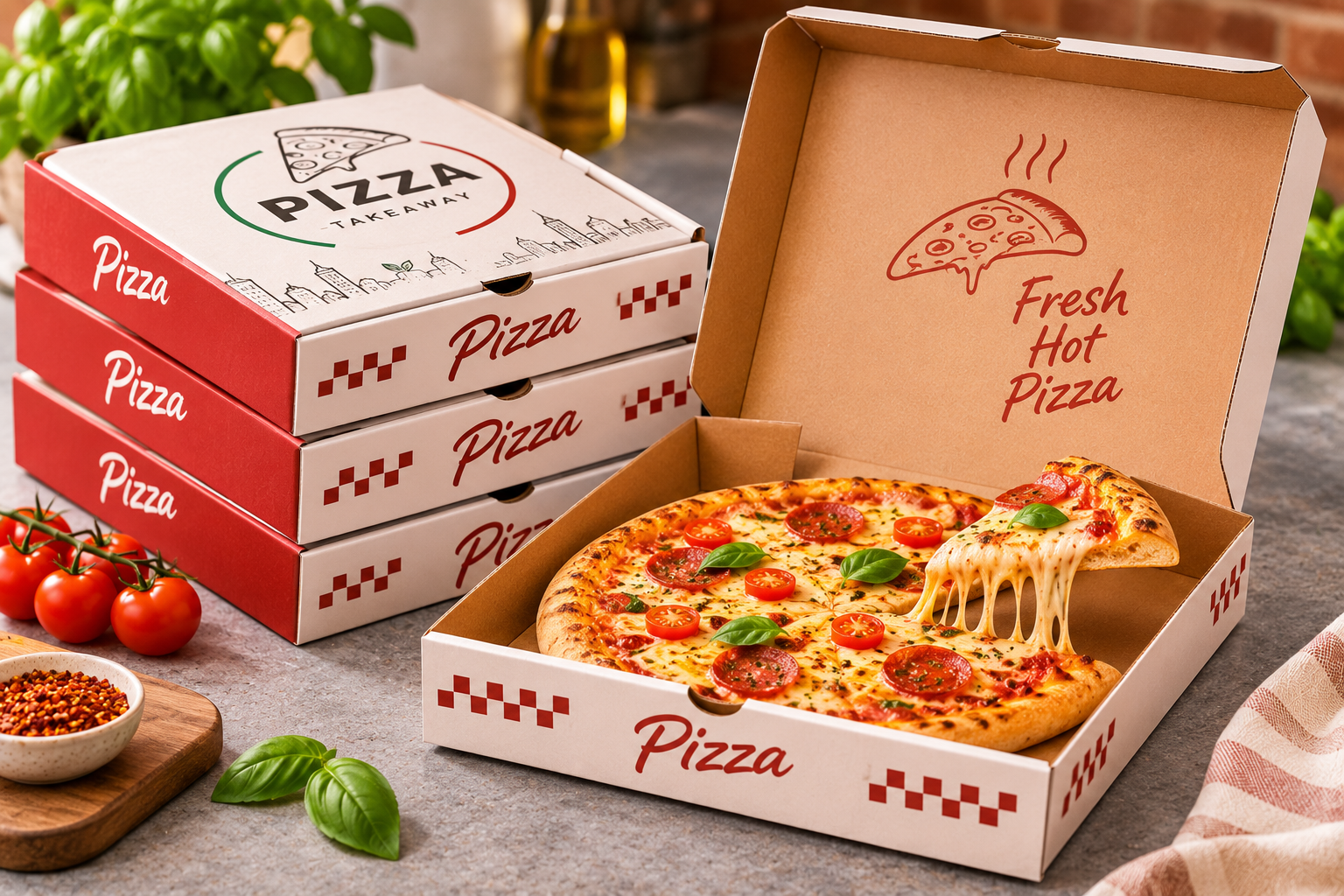
Fresh Pizza Delivered Right With Better Heat Taste and Takeaway Convenience

A freshly cooked pizza can turn an ordinary evening into something enjoyable. Whether it is ordered for a family dinner, a weekend gathering or a quick meal after work, customers expect more than a pizza that simply arrives at their door. They want it to taste good, feel fresh and arrive in a condition that matches what they ordered.
For pizza businesses, delivering that experience requires attention to several details. Cooking, preparation, timing, handling and customer service all have an influence on the final meal. Even a great recipe can lose some of its appeal if the pizza spends too long waiting before delivery or is handled poorly on the journey.
A reliable takeaway process therefore starts with understanding what customers value and making each stage work together.
Start With Quality Ingredients and Careful Preparation
The quality of a delivered pizza begins in the kitchen. Fresh ingredients, suitable dough and consistent preparation provide the foundation for a good customer experience.
Staff should follow clear preparation methods so that pizzas have a dependable standard. Toppings should be distributed evenly, sauces should be applied consistently and portions should remain reasonable.
Ingredient storage is equally important. Businesses need to understand how different ingredients should be stored and how long they can maintain their best quality. Fresh vegetables, cheese, meats and sauces may all have different requirements.
Preparation should also reflect expected demand. Making large quantities too early can affect freshness, while leaving everything until the last moment may increase waiting times during busy periods.
Understand the Importance of Timing
Timing is one of the biggest factors in pizza delivery. A pizza can be perfectly cooked but still disappoint a customer if it spends too long waiting before leaving the restaurant.
Businesses should look at the complete timeline from the oven to the customer's door. This includes cooking, preparation, packing, collection and transportation.
During quieter periods, the process may be easy to manage. Busy evenings are different. Friday and Saturday nights can bring a large number of orders within a short period, creating pressure on kitchen and delivery teams.
Recording typical preparation and delivery times can help businesses identify where delays occur. Once these points are understood, managers can make practical improvements rather than guessing what might be causing problems.
Protect Heat Without Losing Texture
Customers usually expect takeaway pizza to arrive warm and enjoyable. However, heat is not the only consideration.
Freshly cooked pizza continues to release moisture after leaving the oven. If that moisture remains trapped for too long, the crust can lose some of its desired texture.
Businesses should therefore consider the relationship between heat retention and ventilation. The best approach can vary depending on crust thickness, toppings and delivery distance.
A thin crust may behave differently from a deep-pan pizza. A heavily topped pizza may also require different handling from a simple cheese pizza.
Testing is useful. Businesses can prepare popular pizzas and assess them after realistic delivery periods. Checking the crust, cheese, toppings and overall appearance can show whether the current process is producing the expected result.
Choose a Suitable Delivery Format
The format used for transporting pizza should match the size, shape and weight of the product. A pizza should have enough room to sit comfortably without excessive movement.
A pizza box should support the product while making it practical for staff to pack, stack and transport. The fit matters because too much empty space can allow movement, while a format that is too tight may affect the pizza during handling.
Businesses should test different sizes with actual cooked pizzas. Measurements taken from an uncooked product may not always provide a complete picture of how the finished order behaves.
The package should also remain stable when several orders are stacked together. This is especially important during busy delivery periods.
Make Takeaway Orders Easy to Handle
Customers often choose pizza because it is convenient. They want to order quickly, receive the food without unnecessary delays and enjoy it with minimal effort.
This convenience should continue after the pizza leaves the restaurant.
Pizza Take Out Boxes can provide a practical format for suitable takeaway orders, but the size and structure should be selected according to the actual menu. Businesses should consider whether the format is easy to carry, stack and open.
This is particularly important when an order contains several pizzas, side dishes and drinks. Poor organisation can make an otherwise good delivery feel frustrating.
Staff should also be able to prepare orders quickly. If a format requires complicated assembly, it may slow down the kitchen during peak periods.
Keep Toppings Where They Belong
Customers expect a pizza to look similar to the product they ordered. Toppings that move during transportation can affect both appearance and enjoyment.
Handling matters from the moment the pizza leaves the oven. Staff should avoid unnecessary movement while transferring the pizza to its serving format.
Delivery drivers should also keep orders level whenever possible. Delivery bags should be suitable for the number and size of pizzas being transported.
Businesses can recreate typical journeys to see how their pizzas behave. A short test can reveal whether toppings shift, whether the pizza slides or whether the order remains stable throughout the trip.
Create a Consistent Customer Experience
Consistency is one of the strongest ways to build trust. Customers who order their favourite pizza regularly expect similar quality each time.
This means recipes, cooking times, ingredient quantities and preparation methods should be clearly understood by staff.
Training can help maintain standards as a business grows. New employees should know how popular pizzas are prepared and what the finished product should look like.
Businesses can use simple preparation guides or photographs to support training. Regular checks can also help identify changes before customers begin noticing them.
Consistency does not mean every pizza will look exactly identical. Handmade food naturally has some variation. The goal is to maintain a dependable level of quality.
Prepare for Busy Delivery Periods
A pizza business needs a different strategy when demand increases.
Weekends, sporting events, bank holidays and special occasions can create sudden increases in orders. Without preparation, kitchens can become crowded and delivery times can increase.
Businesses should review previous sales data to understand when demand normally peaks. Popular ingredients and serving materials should be available before the busy period begins.
Staff schedules can also be adjusted according to expected demand. Clear responsibilities help employees understand who is preparing pizzas, who is packing orders and who is managing collections or deliveries.
Good preparation can prevent small delays from becoming major problems.
Use Customer Feedback to Improve
Customer reviews provide useful information about the final delivery experience.
Customers may mention that their pizza arrived warm, the crust remained enjoyable or the order was easy to handle. They may also report problems such as damaged products, missing items or long waiting times.
Businesses should look for patterns rather than reacting strongly to one unusual comment.
If several customers mention the same issue, it is worth investigating. The problem could involve kitchen timing, handling, delivery routes or the serving process.
Positive feedback matters too. If customers consistently praise a particular pizza or delivery feature, businesses should understand what is creating that positive response and maintain it.
Reduce Waste Through Better Planning
Food businesses need to balance quality with responsible resource use.
Preparing too much food can increase waste, while poor stock management can lead to ingredients expiring before they are used.
Sales records can help businesses understand which pizzas are most popular and when demand normally increases. This information can improve preparation planning.
Serving materials should also be stored carefully and ordered according to realistic requirements. Oversized formats may use unnecessary material and take up more storage space.
However, reducing material should never compromise the protection or quality of the food. The aim is to use resources sensibly while still providing a reliable customer experience.
Make Delivery Part of the Brand
The delivery experience can influence how customers remember a pizza business.
A customer may never visit the restaurant, so their main physical interaction with the brand could happen when their order arrives.
Clear branding, reliable service and consistent presentation can help create recognition. The design should reflect the personality of the business without becoming overwhelming.
A traditional pizzeria may prefer a classic visual style, while a modern independent restaurant might choose a bold and contemporary approach.
Whatever direction a business chooses, consistency across the website, menu, social media and takeaway experience can make the brand easier to remember.
Creating a Better Pizza Experience
A successful pizza delivery depends on many small decisions working together. Ingredients need to be fresh, cooking needs to be consistent and orders need to move efficiently from the kitchen to the customer.
Businesses should regularly test their processes rather than assuming that everything works perfectly. Reviewing delivery times, checking food after realistic journeys and listening to customer feedback can reveal useful improvements.
For UK pizza businesses, the goal should be straightforward: give customers a meal that arrives when expected, remains enjoyable during the journey and feels carefully prepared.
When heat, taste, freshness and convenience are consistently managed, customers are more likely to enjoy the complete experience. That satisfaction can encourage repeat orders, positive recommendations and stronger trust in the business.
A great takeaway pizza does not need to be complicated. It simply needs to reach the customer in the condition they were hoping for. When a customer opens the order and finds a fresh, well-prepared pizza ready to enjoy, the business has delivered more than food—it has delivered an experience worth coming back for.


