
Introduction
Leather crafting is a rewarding activity that combines creativity with practical skills. From making small wallets and keychains to designing bookmarks and card holders, even simple projects require careful measuring, cutting, stitching, and finishing.
If you are planning a leather craft workshop at home, preparing the workspace is an important first step. Leather pieces, cutting tools, adhesives, and finishing products can leave marks on furniture. A suitable table cloth helps cover the surrounding surface and gives the workshop a more organized appearance.
Understand Your Leather Crafting Supplies
Before choosing a table covering, consider the materials and tools you will use. A beginner-friendly leather project may require leather sheets, measuring rulers, cutting mats, pencils, stitching needles, thread, hole punches, and edge-finishing products.
A washable cotton table cloth can provide a comfortable covering for the general workspace. However, leather cutting and punching should always take place on a suitable rigid cutting mat or protective board. This prevents sharp tools from damaging the table or fabric underneath.
Keep adhesives, dyes, and finishing products in separate trays. Some leather treatments can stain fabric, so avoid placing open containers directly on the covering.
Choose a Table Cloth That Fits Your Table Shape
The shape of your table affects how tools and materials can be arranged. Select a covering that provides suitable coverage without interfering with chairs or drawers.
Round Tables for Shared Crafting
Round table cloths are useful for small groups working on individual leather projects. Everyone can reach shared materials, compare designs, and exchange tools without needing to move around a long table.
Place commonly used supplies in the center and give each participant a separate cutting mat. Keep sharp tools in a designated container rather than leaving them loose on the table.
Rectangle Tables for Multiple Projects
A long workspace is helpful when several people are making different leather items. A rectangle table cloth can cover the main surface while you arrange separate stations for measuring, cutting, stitching, and finishing.
This layout also makes it easier to keep unfinished projects away from completed pieces. Place tools along one side and reserve the central area for active work.
Square Tables for Compact Workshops
Square table cloths are a practical option for smaller leather crafting sessions. Each participant can have a dedicated section for their materials, tools, and work-in-progress.
This arrangement works particularly well for projects such as simple bookmarks, luggage tags, or small card holders.
Organize Tools Into Separate Work Zones
Leather crafting involves several steps, and keeping the supplies organized can make the process more efficient.
-
Design area: Keep templates, pencils, rulers, and pattern sheets together.
-
Cutting area: Use a stable cutting mat and keep blades safely stored when not in use.
-
Stitching area: Arrange needles, thread, and stitching tools in a small organizer.
-
Finishing area: Place edge treatments, dyes, and adhesives on a protective tray.
-
Storage area: Keep completed pieces and unused leather scraps in separate containers.
This arrangement helps participants move from one stage to another without mixing tools or materials.
Select a Fabric That Is Easy to Maintain
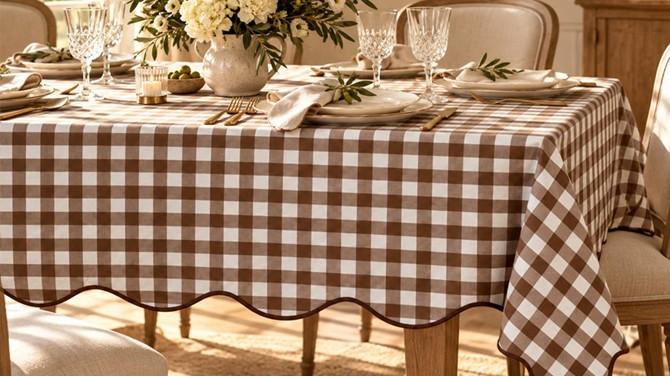
A cotton table cloth can be useful for covering the general workspace because it is washable and comfortable to work around. Choose a fabric with care instructions that suit your regular cleaning routine.
Leather dyes and adhesives can leave stubborn marks, so use additional protection wherever these products are handled. A waterproof mat or tray is more suitable for messy tasks than placing materials directly on fabric.
If your workshop involves several participants, consider giving each person a small tray to hold their personal supplies. This reduces clutter and makes cleanup easier.
Keep the Workspace Comfortable and Practical
Leather crafting often involves detailed handwork, so good lighting and comfortable seating are important. Arrange chairs to provide enough room for participants to work without bumping into one another.
Choose a simple table covering that complements your craft room or dining area. Neutral shades can create a calm background for leather in different colors and textures.
Avoid filling the table with unnecessary decorations. Keep the working surface clear, especially around cutting tools and stitching equipment. Store drinks and snacks on a separate surface to prevent accidental spills.
Clean and Store the Workspace After Crafting
At the end of the workshop, return needles, blades, punches, and other sharp tools to their storage containers. Collect leather scraps and dispose of unusable pieces safely.
Clean cutting mats and tools according to their care instructions. Check the table cloth for dye, adhesive, or other marks before washing it. Follow the fabric's care label and allow it to dry completely before folding.
Store leftover leather pieces flat or in suitable containers so they remain ready for future projects.
Conclusion
A well-prepared workspace makes leather crafting more comfortable and organized. Choosing a suitable table cloth, using protective cutting mats, arranging tools into separate zones, and storing sharp equipment safely can help create a practical environment for creative projects.
All Cotton and Linen offers table coverings that can complement everyday dining areas and home craft spaces. With a little planning, your table can become a welcoming place to learn leather crafting and create useful handmade accessories.


