
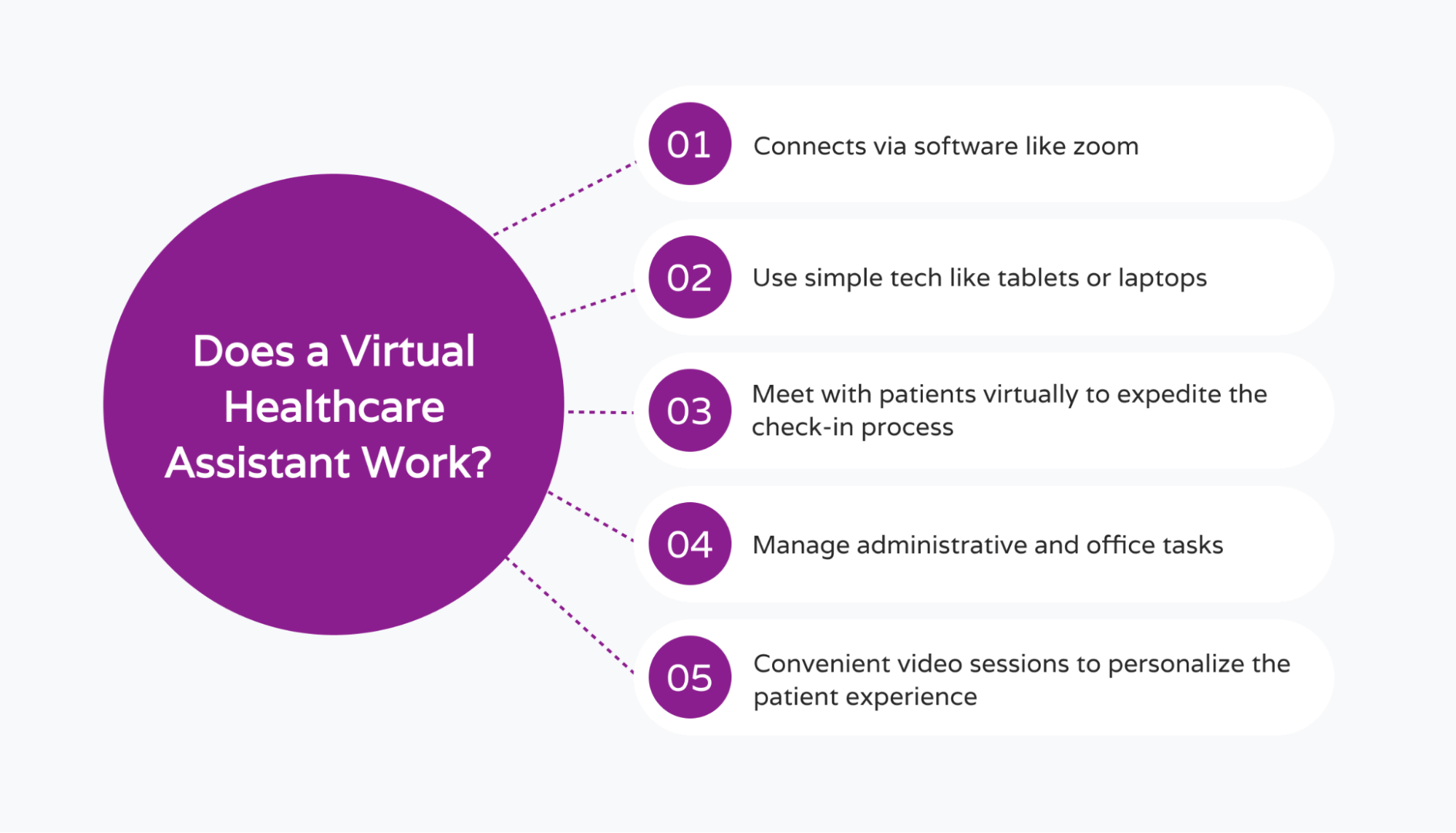

Healthcare organizations manage a continuous flow of administrative work alongside their medical services. From arranging patient appointments to maintaining digital records, processing paperwork, and coordinating communication, every office activity requires proper attention. Medical staff also need reliable administrative systems to keep daily operations organized. A virtual assistant healthcare service can help clinics, private practices, and other healthcare businesses manage routine non-clinical responsibilities through remote administrative support.
Organizing Patient Scheduling Activities
Medical practices work with different appointment types, consultation periods, and practitioner schedules. Managing booking requests and schedule changes requires accurate updates throughout the day. A virtual assistant can maintain digital calendars, enter appointment details, record cancellations, and organize requests for alternative dates. They can also prepare appointment reminders using the communication procedures established by the clinic. This helps administrative teams maintain updated schedules and review upcoming consultations more easily.
Maintaining Patient Registration Records
New patient registration involves collecting forms and entering relevant administrative information into the practice's system. A virtual assistant can organize submitted paperwork, update contact details, and maintain digital folders for registration documents. They can also identify incomplete forms and notify the appropriate office staff when additional information is required. Patient records must be handled according to the healthcare organization's confidentiality policies, applicable privacy requirements, and assigned access permissions.
Managing Everyday Medical Office Correspondence
Healthcare offices receive communication from patients, insurance companies, suppliers, and other medical organizations. An assistant can sort incoming emails, organize telephone messages, and direct enquiries to the correct department. They may also prepare responses to routine administrative questions using approved information. Messages concerning symptoms, diagnosis, medication, or treatment must be referred to qualified healthcare professionals. This approach keeps general office communication organized without assigning clinical responsibilities to administrative staff.
Supporting the Medical Documentation Process
Medical organizations maintain a variety of documents, including registration forms, consent paperwork, referral letters, appointment records, and administrative correspondence. A virtual assistant can help arrange digital files, update document registers, and maintain consistent folder structures. They can also organize received documents by date or category so that authorized staff can locate them when needed. Any access to confidential medical information should remain limited to the duties and permissions approved by the practice.
Coordinating Patient Referrals and Follow-Up Records
Referrals often involve communication between different healthcare providers. Administrative teams may need to record incoming documents, update referral lists, and organize information for scheduled consultations. An assistant can maintain referral trackers, record relevant dates, and arrange supporting paperwork. They can also update administrative follow-up records based on instructions from the medical team. Clinical decisions about referral priority, diagnosis, and treatment remain with the appropriate professionals.
Assisting With Healthcare Billing Administration
Medical billing involves invoices, payment records, insurance forms, and supporting documents. A virtual assistant can organize billing paperwork, enter supplied details into approved systems, and maintain lists of records awaiting review. They may also arrange documents by date or patient reference to make them easier for billing staff to access. WAGS World-Class Assistant & Global Support can assist healthcare businesses with these administrative activities. General enquiries can be sent to [email protected].
Keeping Insurance Paperwork Properly Arranged
Insurance administration may require collecting policy details, organizing supporting forms, recording document submissions, and tracking outstanding information. An assistant can maintain administrative records and prepare paperwork for the relevant billing or insurance department. They can also update trackers when additional documents are received. Coverage assessments, claim decisions, and insurance-related judgments should remain with authorized professionals who handle these responsibilities.
Maintaining Digital Office Systems
Healthcare businesses use scheduling applications, patient management platforms, billing software, spreadsheets, and cloud storage to manage information. These systems require regular updates and organized file management. A virtual assistant can enter approved data, maintain shared folders, update task lists, and organize digital documents. They can follow the clinic's procedures for accessing and sharing information, while the organization remains responsible for establishing appropriate security controls and permissions.
Organizing Staff Calendars and Internal Tasks
Medical practices often coordinate the schedules of doctors, nurses, receptionists, administrators, and other employees. Meetings, internal requests, and office activities need to be recorded so that relevant staff members have access to current information. An assistant can update shared calendars, organize meeting details, maintain contact directories, and record non-clinical tasks. This support helps the office coordinate administrative responsibilities across different departments.
Preparing Administrative Reports for Practice Managers
Practice managers may need regular information about appointment activity, incomplete registration forms, billing documentation, referrals, and outstanding office requests. A virtual assistant can collect details from approved sources and arrange them into spreadsheets or written summaries. They can also organize supporting files for review. Managers can verify the information and use it when evaluating office workloads or planning administrative activities.
Coordinating Communication With External Healthcare Providers
Medical practices frequently communicate with laboratories, pharmacies, specialist clinics, suppliers, and other service providers. These interactions may involve appointment confirmations, document requests, invoices, and general correspondence. An assistant can maintain contact directories, organize received messages, and forward information to the appropriate department. For information about virtual administrative services, WAGS World-Class Assistant & Global Support can also be reached at (772) 247-0269.
Conclusion
Healthcare organizations depend on organized administration to manage patient scheduling, documentation, billing records, communication, and internal coordination. Keeping these activities properly arranged supports the daily workflow of medical offices. A virtual assistant healthcare service can assist with recurring non-clinical responsibilities while healthcare professionals remain responsible for medical decisions and patient care. WAGS World-Class Assistant & Global Support provides virtual administrative assistance for healthcare businesses with different office requirements.


