
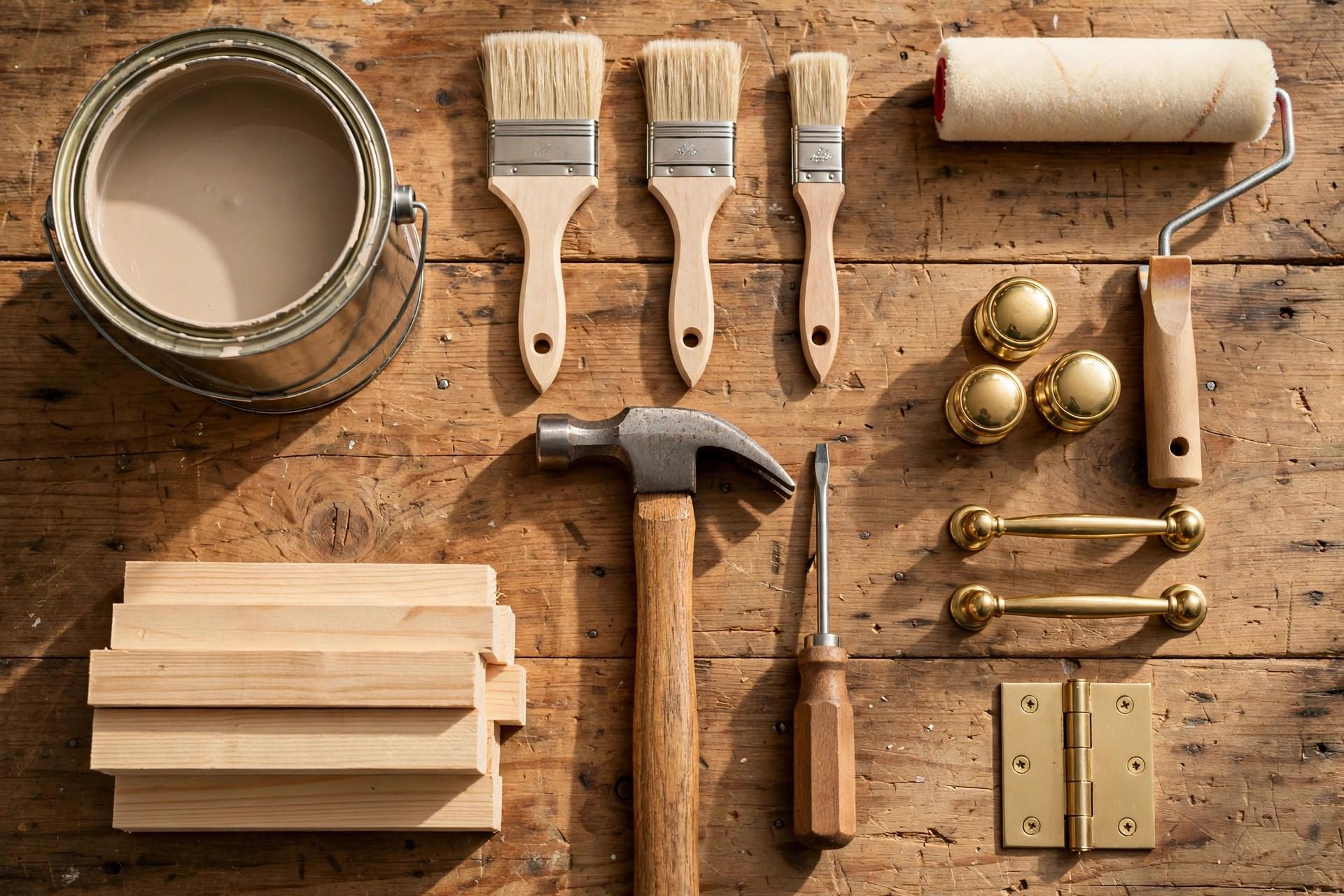

A useful home tool kit does not need every tool on the market. It needs reliable hand tools for everyday fixes and a few power tools that save time on larger jobs. Start with the basics, add tools as projects demand them, and choose quality in the items you reach for most often. A well-chosen kit makes repairs faster, safer, and far less frustrating.
Start With Everyday Hand Tools
Hand tools handle measuring, fastening, cutting, and holding. A tape measure, a level, a claw hammer, a set of screwdrivers, pliers, an adjustable wrench, and a utility knife cover most small jobs, from hanging pictures to assembling furniture and tightening loose fittings. Keep them in one accessible place so a small job does not turn into a search.
Choose Comfort and Grip
Handles should feel secure in your hand, even when you work for a while. Look for a comfortable grip, balanced weight, and a head or jaw that fits the fasteners you use. Cheap tools with loose heads or soft tips wear quickly and can damage screws, so invest in the screwdrivers and pliers you use most.
Keep Blades Sharp and Tools Clean
A sharp utility blade cuts more safely than a dull one, because it needs less force and is less likely to slip. Wipe tools after use, dry them before storage, and replace worn blades and damaged handles. A simple toolbox or wall storage keeps tools visible and easy to reach.
Add Power Tools by Project
Power tools earn their place when a job repeats or needs more force. A cordless drill driver is the most versatile first power tool, handling drilling and driving in wood, drywall, and light masonry with the right bit. A circular saw, jigsaw, or sander can follow when cutting and finishing work becomes regular, but buy for the projects you actually plan.
Cordless Convenience and Batteries
Cordless tools are easier to use around the home, but batteries and chargers add cost. Staying within one battery platform for several tools can simplify charging and storage. Check battery capacity for longer jobs, keep a spare battery charged, and store batteries away from heat and damp.
Match the Tool to the Material
Bits and blades matter as much as the tool itself. Use drill bits suited to wood, metal, or masonry, and saw blades suited to the material and cut. The wrong accessory slows the job and can damage the work or the tool, so check the packaging before you start.
Work Safely Every Time
Read the manual for a new power tool, wear eye protection, and secure the work before cutting or drilling. Keep cords clear, unplug tools when changing bits or blades, and never remove guards to make a job easier. Store power tools out of reach of children, with batteries removed where the maker recommends it.
Measure Twice, Cut Once
Careful measuring saves materials and time. Mark clearly, test fit before fixing, and drill a pilot hole in hardwood to reduce splitting. Small habits like these matter more than speed, especially when a mistake would mean replacing a board or patching a wall.
Shopping for Hand And Power Tools
List the jobs you do most, then build around them: hand tools first, then a drill driver, then project-specific power tools. Compare grip, weight, battery options, and included accessories, and check that replacement bits and blades are easy to find. To compare a practical range, browse Hand And Power Tools and shortlist a kit that suits your home and skill level.
Good tools should make home jobs feel manageable, not intimidating. Start simple, add with purpose, and keep safety first. For the wider store, visit Shop Complete SC and build your kit one useful tool at a time.


