
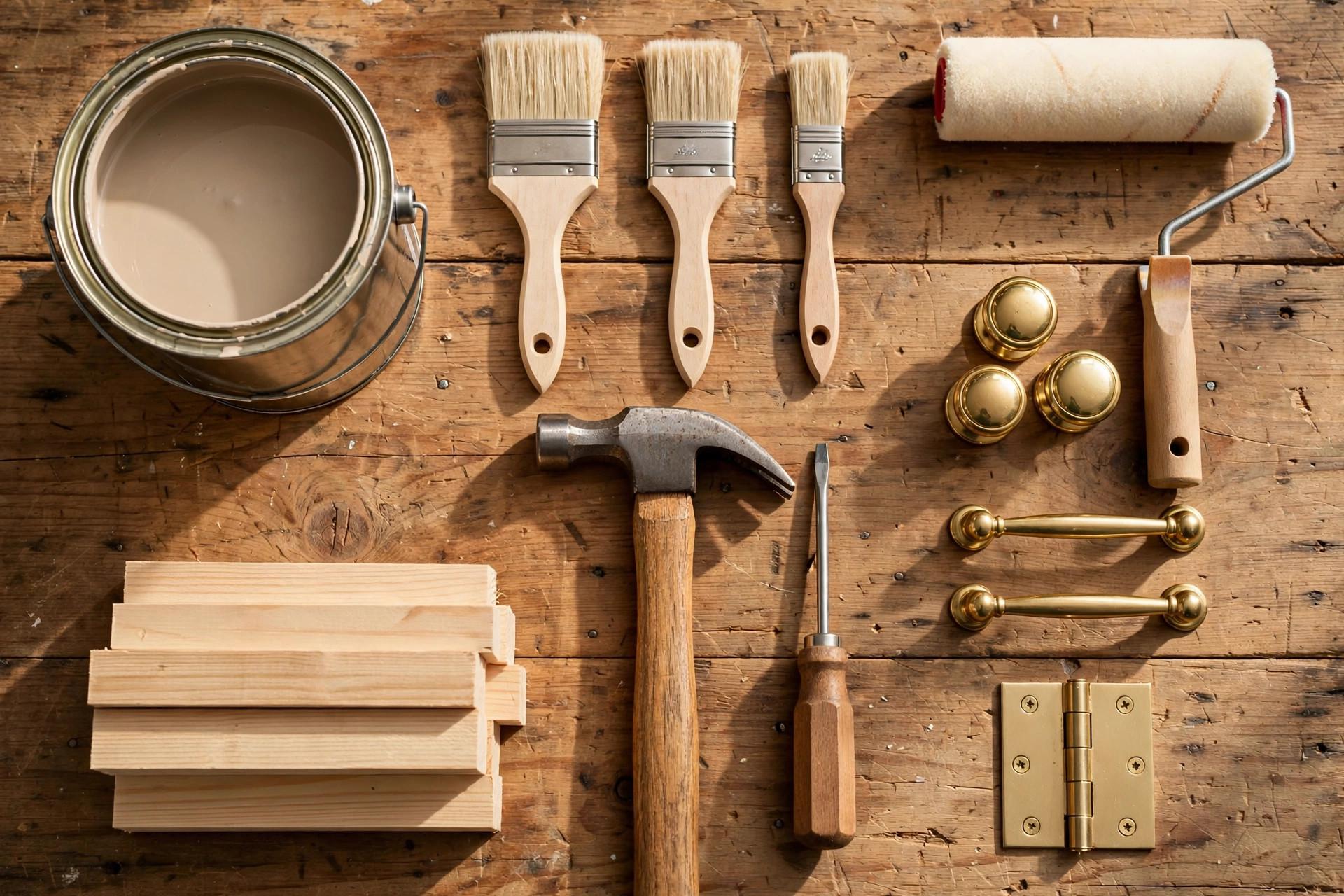

Builders hardware is the working backbone of doors, gates, and many fixed fittings. Hinges, locks, latches, handles, and closers decide whether a door opens smoothly, closes securely, and stays aligned through daily use. Choosing these pieces by strength, material, and location, rather than appearance alone, prevents sagging doors, sticking locks, and early replacement.
Start With the Door and Its Use
Every door has a different job. An entrance door needs security and weather resistance, an interior door needs smooth, quiet operation, and a gate must handle outdoor exposure and frequent movement. Note the door material, weight, thickness, and how often it is used, because a light interior hinge will not support a heavy solid door for long.
Check Weight, Size, and Hinge Count
Heavier doors need more, or stronger, hinges, and the hinge size should suit the door thickness and frame. A door that drops on one side is often a sign of undersized hinges or loose fixings rather than a faulty door. Check screw length and frame strength, especially for exterior and fire-rated doors, and follow the manufacturer's guidance.
Think About Security and Privacy
Locks and latches should match the level of security the room needs. Entrance doors benefit from a robust lock and reinforced strike area, bathrooms and bedrooms may need a privacy lock that can be opened from outside in an emergency, and storage areas may need only a simple latch. Keep spare keys and access in mind before choosing a complex system.
Choose Materials for the Location
Material affects durability, corrosion resistance, and finish. Stainless steel and coated metals suit damp or exterior locations, brass offers a classic look for interior doors, and heavy-duty steel is common for gates and high-use doors. In coastal or humid areas, corrosion resistance matters more than a decorative finish, so check the product rating for outdoor use.
Finish Should Follow Function
Finish ties hardware to handles, hinges, and other fittings in the same area. A consistent finish across a door set looks intentional, but it should not come at the cost of strength. In high-touch areas, a finish that resists fingerprints and wear will look better for longer, and it should be cleaned with mild products rather than abrasives.
Fit, Adjust, and Maintain
Good fitting starts with accurate measurement, correct screw size, and careful alignment. Use a template or jig where available, tighten fixings evenly, and test the door through its full swing before finishing. After fitting, check that latches engage cleanly, hinges move without binding, and closers, if fitted, shut the door at a safe speed.
Simple Maintenance Extends Life
Tighten loose screws promptly, lubricate moving parts with a suitable product, and wipe hardware clean from time to time. Small adjustments early can prevent a door from sagging, rubbing, or failing to latch. Keep a note of the hardware type and finish for future replacements.
Shopping for Builders Hardware
Make a door-by-door list: location, material, weight, lock type, hinge size, and finish. Compare strength ratings and compatibility rather than choosing on style alone, and buy matching fixings for each item. To compare a broad range, browse Builders Hardware and shortlist pieces that suit each door's weight and use.
Strong builders hardware is easy to overlook until a door fails. Plan by door, choose materials for the location, and fit with care. For the wider store, visit Town & Country Hardware and start with the doors you use every day.


