
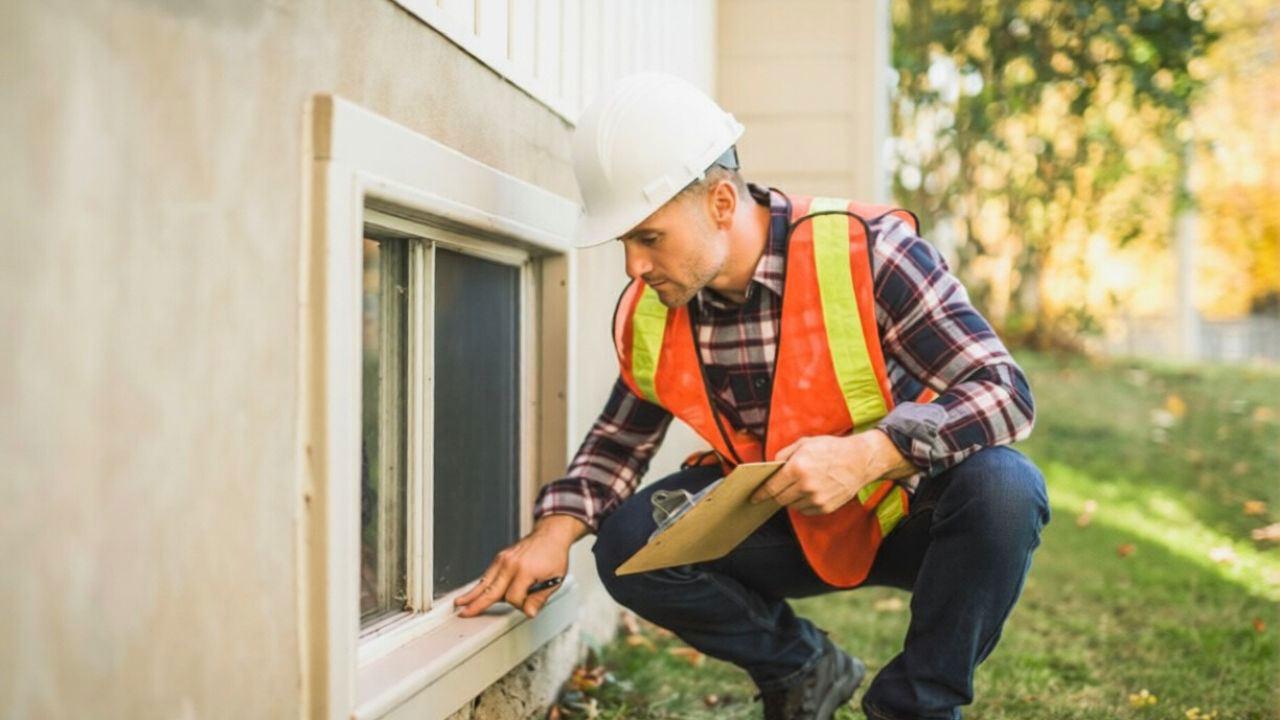

Buying a house is a major financial decision, and understanding its condition before completing the purchase is important. A property may look beautiful during a viewing, but hidden damage, aging materials, or maintenance problems can lead to unexpected expenses later. A home inspector helps buyers and homeowners identify visible concerns and understand which parts of a house may need repairs or further evaluation.
Home inspections are useful for people purchasing a property, preparing to sell, or maintaining a house they already own. From checking the roof to examining accessible plumbing and electrical components, an inspection provides information that supports better decisions. Knowing what to expect from the process can help homeowners protect their investment and plan for the future.
What Does a Home Inspector Do
A home inspector in Port St Joe examines the accessible areas and major components of a house to assess their visible condition. The inspection commonly includes the roof, exterior surfaces, foundation areas, walls, ceilings, floors, windows, doors, and accessible building systems. The exact scope depends on the inspection agreement and the property's characteristics.
During the visit, the inspector looks for signs of damage, deterioration, moisture intrusion, and other conditions that may require attention. For example, water stains on a ceiling could suggest a past or ongoing leak, while loose railings or damaged steps may present safety concerns.
After the inspection, the homeowner or buyer typically receives a written report describing the findings. This report may include photographs, maintenance recommendations, and suggestions for further evaluation. A general home inspection is usually a visual assessment, so it cannot guarantee that every hidden defect will be discovered.
Why a Home Inspection Matters
A house contains many components that can develop problems over time. Roofing materials wear down, plumbing connections may leak, and electrical systems can deteriorate or become outdated. Some issues are easy to see, while others may require closer investigation.
An inspection helps buyers understand the property's condition before making a final decision. It can also help existing homeowners identify maintenance needs before minor problems become more expensive to address. Knowing about potential concerns in advance makes it easier to plan repairs and estimate future expenses.
Although an inspection does not guarantee a problem-free home, it provides useful information about visible conditions. Buyers can review the findings, ask questions, and seek specialist advice when necessary. This process can reduce uncertainty and support more informed property decisions.
What Areas Are Checked During an Inspection?
A standard home inspection generally covers several important areas of the property. The roof may be reviewed for visible damage, missing materials, deteriorated flashing, and signs of water intrusion. Exterior walls, windows, doors, and drainage conditions may also be examined for concerns that could affect the building.
Inside the house, the inspector may look at walls, ceilings, floors, stairs, and other accessible features. Signs of moisture, uneven surfaces, damaged finishes, and loose components may be documented. Accessible plumbing fixtures and visible electrical components can also be reviewed within the inspection's scope.
Heating, ventilation, and cooling equipment may receive a basic operational review, depending on the service and conditions at the time of inspection. Some systems require separate specialist evaluations. Areas that are concealed, unsafe to access, or outside the agreed scope may not be examined.
Common Problems Found in Homes
Water damage is one of the most common concerns in residential properties. Leaking pipes, roof problems, poor drainage, and damaged seals around windows can allow moisture to enter the building. Stains, peeling paint, damp surfaces, and musty odors may indicate a problem that needs further investigation.
Structural warning signs can include cracks in walls, uneven floors, sagging areas, and doors or windows that become difficult to operate. These conditions can have different causes, and not every crack indicates a serious defect. An inspector can document visible signs and recommend further evaluation when the condition appears concerning.
Other common findings include damaged roofing materials, deteriorated exterior finishes, loose handrails, worn flooring, and ventilation problems. The importance of each issue depends on its severity, location, and effect on the house. A clear inspection report helps buyers and homeowners decide which concerns need attention first.
When Should You Hire a Home Inspector?
The most common time to hire an inspector is before purchasing a house. A pre-purchase inspection gives buyers an opportunity to learn about visible defects and maintenance concerns before finalizing the transaction. If significant issues are discovered, they may seek specialist advice or discuss possible repairs with the seller.
Homeowners can also arrange inspections when planning renovations, investigating recurring leaks, or assessing an older property. An inspection may be useful before listing a house for sale because it can reveal visible issues that should be addressed before prospective buyers visit.
After severe weather, unusual movement, or other signs of damage, an assessment may help clarify the property's condition. If an immediate safety concern exists, restrict access to the affected area until it has been evaluated. The appropriate inspection schedule depends on the property's age, condition, and maintenance history.
How to Prepare for a Home Inspection
Preparing the house helps the inspector access important areas and complete the assessment more effectively. Clear pathways to utility spaces, garages, attic entrances, and other accessible areas included in the inspection. Move stored items away from components that need to be observed.
Gather available records about previous repairs, renovations, roof replacements, plumbing work, and recurring problems. Sharing these details can provide useful background and help the inspector understand the property's maintenance history.
Before the appointment, ask what the inspection includes and which areas may be excluded. If you have noticed a specific concern, such as a leaking ceiling or a sticking window, mention it during the visit. You should also confirm when the report will be available and whether photographs or recommendations for further evaluation will be included.
Understanding the Home Inspection Report
The inspection report records the conditions observed during the visit. It may describe damaged materials, maintenance concerns, safety issues, and components that need further evaluation. Photographs can make findings easier to understand and help identify the location of a problem.
Not every finding requires immediate repair. Some items may involve ordinary maintenance, while others may need prompt attention or assessment by a qualified specialist. Reviewing the report carefully helps buyers and homeowners understand the difference.
If the inspector identifies a possible structural problem, electrical hazard, or significant moisture concern, a specialist may need to investigate further. Buyers should avoid assuming that a general inspection provides a complete diagnosis of hidden conditions. Asking questions and obtaining repair estimates can help clarify the next steps.
How to Choose the Right Home Inspector
Choosing an home inspection service in Port St Joe involves more than comparing service prices. Look for someone with relevant qualifications, experience with similar properties, and a clear inspection process. Licensing and certification requirements vary by location, so it is important to understand the rules that apply in your area.
Ask about the areas covered, the inspection methods used, the format of the report, and any limitations. You may also want to confirm whether the inspector can evaluate older homes, recently renovated properties, or houses with specific concerns.
A suitable inspector should explain findings in simple language and distinguish between visible defects, possible problems, and conditions requiring additional assessment. Clear communication helps you understand the report and make decisions based on the property's actual condition rather than appearance alone.
Benefits of Regular Home Inspections
Home inspections can support ongoing maintenance as well as property purchases. Regularly reviewing the condition of a house can help owners recognize changes in roofing materials, drainage, exterior finishes, and accessible building systems. Addressing problems early may reduce the risk of additional damage.
Inspection reports can also serve as useful records. Keeping them with repair invoices and maintenance documents makes it easier to track recurring issues and understand what work has already been completed. This information may be helpful when planning renovations or preparing to sell the property.
An inspection should be part of a wider maintenance plan. Cleaning gutters, maintaining drainage, servicing equipment, and repairing damaged materials remain important between inspections. The frequency of assessments depends on the house's age, condition, local climate, and any known concerns.
Make Better Decisions With a Home Inspection
Understanding the condition of a house can help buyers avoid surprises and help homeowners plan repairs with greater confidence. A thorough inspection documents visible issues, identifies maintenance needs, and highlights areas that may require specialist attention.
Hiring a qualified home inspector before purchasing a property or when significant concerns arise can provide useful information for making informed decisions. By preparing for the inspection, reviewing the report carefully, and following up on important findings, homeowners can take practical steps to maintain their property and protect its long-term value.


