
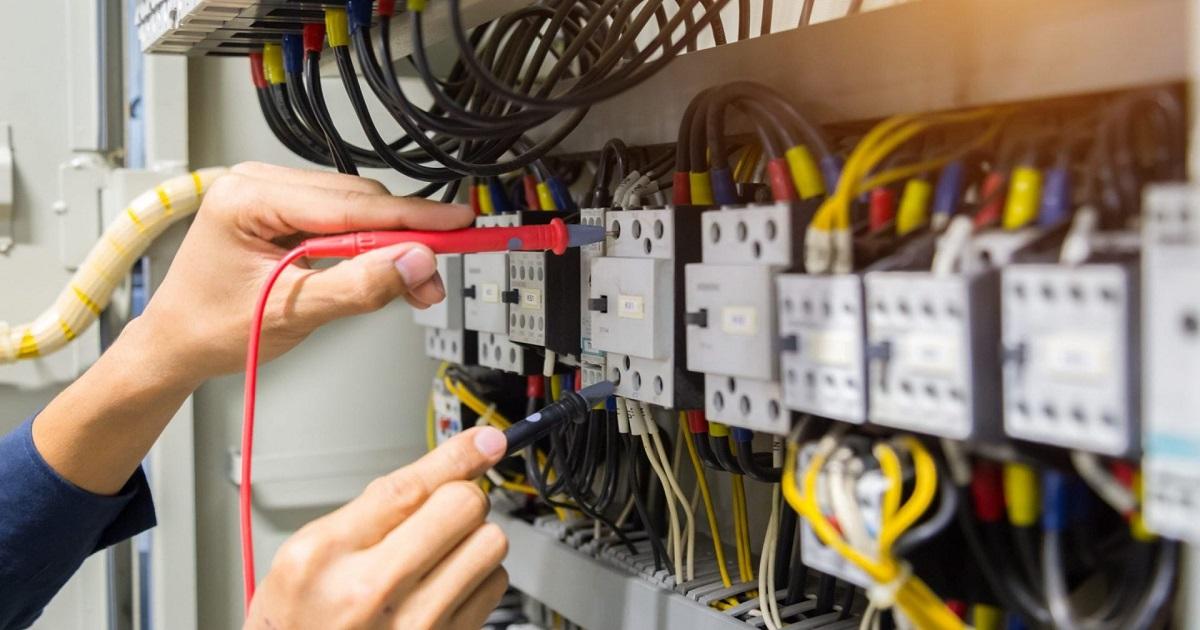

If you own or rent out a one-bedroom flat in south-east London, sooner or later you'll need an electrical safety check.For a typical one-bedroom flat, an EICR in Bromley takes between two and four hours. Most inspections finish in about three. This guide explains what affects that timing and how to prepare, so the visit runs smoothly and your certificate arrives without delays.
At London Property Inspections, we carry out EICR in Bromley checks in flats across the borough every week, so the timings below come from real-world experience rather than guesswork.
What Is an EICR and Why Does It Matter?
An Electrical Installation Condition Report (EICR) is a formal assessment of the fixed wiring and electrical equipment in a property. A qualified electrician inspects and tests the consumer unit (fuse box), sockets, switches, lighting circuits, earthing and bonding, then records the findings in a standardised report.
The inspection follows BS 7671, the UK Wiring Regulations, currently the 18th Edition with Amendment 2. It's not a pass-or-fail "MOT" in the strictest sense. The report gives an overall rating of either satisfactory or unsatisfactory, depending on whether any dangerous faults are found.
Who Legally Needs One?
If you let a property in England, the Electrical Safety Standards in the Private Rented Sector (England) Regulations 2020 require you to have the electrics tested at least every five years. Landlords must give tenants a copy of the report within 28 days and supply it to the local council on request. Fines for non-compliance can reach £30,000.
Owner-occupiers aren't legally obliged to get a report, but it's sensible before buying, selling or after major renovations. Flat owners in older Bromley conversions, such as Victorian terraces split into apartments, often benefit most, because wiring in these buildings can be decades old.
Why One-Bedroom Flats Are Quicker
The inspection time depends on the number of circuits, not the floor space. A one-bedroom flat generally has a lighting circuit, a socket ring or two, a cooker circuit and perhaps a shower circuit. A three-bedroom house can have double or triple that number, which is why larger homes can take five or six hours.
What Happens During an EICR Inspection?
Knowing the process makes the time feel less intrusive. Here's what an electrician will do during a typical electrical inspection in Bromley.
1. Initial Walk-Through and Visual Check
The inspector starts by examining the consumer unit, noting its type, age and condition. They'll look for scorch marks, loose connections, outdated rewireable fuses and missing RCD protection. They'll also check a sample of sockets, switches and light fittings for damage.
2. Dead Testing
With the power isolated, the electrician tests continuity of protective conductors, ring-final circuits and insulation resistance. This is the part most likely to inconvenience you, as lights, the fridge and your Wi-Fi router will be off. Plan accordingly.
3. Live Testing
Power comes back on for earth fault loop impedance, RCD trip times and polarity checks. These tests confirm that protective devices will operate quickly enough if a fault occurs.
4. Reporting
Fault findings are classified using standard codes:
-
C1: Danger present, requiring immediate action
-
C2: Potentially dangerous, requiring urgent remedial work
-
C3: Improvement recommended
-
FI: Further investigation required
A report containing any C1, C2 or FI observation is classed as unsatisfactory. C3 items alone don't cause a failure.
Factors That Can Change the Timing
Most one-bed inspections stay inside the three-hour window, but several things can stretch it.
Access Problems
Locked meter cupboards, furniture blocking sockets, or a consumer unit in a communal hallway can slow things down. In purpose-built blocks around Bromley South or Beckenham, the electrician may need a building manager to unlock a utility room.
Age and Condition of the Wiring
Older installations take longer because there's more to trace and record. Flats with mixed wiring, perhaps partly rewired in the 1990s and partly original, require extra care. Poor or missing circuit labelling also adds time, since the inspector has to identify what each breaker controls.
Faults Found on the Day
If the electrician discovers a serious issue, such as reversed polarity or an overloaded circuit, they'll need to investigate before completing the report. This can add 30 to 60 minutes.
Extra Circuits
A flat with an electric shower, underfloor heating, an EV charger bay or a separate sub-board will take longer than a standard layout.
How to Prepare Your Flat for a Faster Inspection
A little organisation can shave real time off the visit. Try these practical steps:
-
Clear access to the consumer unit, meter and every socket, and move furniture away from walls if you can.
-
Tell your tenant at least 48 hours ahead, as you'd normally do for any property visit.
-
Save your work and shut down computers, as there will be brief power cuts.
-
Locate previous paperwork, such as earlier EICRs, installation certificates or notes on past rewiring.
-
Arrange building access in advance if the board is in a shared area.
-
Secure pets so the electrician can work freely and safely.
One tip we give every client: if you're a landlord, book the inspection between tenancies. The flat is empty, access is easier, and the inspector can test every circuit without disturbing anyone.
What Happens After the Inspection?
You'll normally receive the completed report within 24 to 48 hours, sometimes the same day. If it's satisfactory, you simply file the certificate and diarise the next test, due in five years or sooner if the report recommends a shorter interval.
If the Report Is Unsatisfactory
Landlords must carry out the necessary remedial work within 28 days, or sooner if the report specifies. Once completed, you'll receive written confirmation that the work has been done, and sometimes a short follow-up test is required. Many faults in a one-bed flat, such as a replacement consumer unit or a missing bonding conductor, can be fixed in a single visit.
Choosing the Right Provider
Not all electricians are equally qualified to produce an EICR. Look for registration with a recognised scheme such as NICEIC, NAPIT or ELECSA, current public liability insurance, and clear experience with flats. Ask whether the price includes the report, a copy for your records and a brief explanation of the findings.
Be wary of unusually cheap quotes. An electrical inspection completed in under an hour for a flat with several circuits suggests corners are being cut, and an incomplete test could leave you non-compliant.
An EICR in Bromley for a one-bedroom flat typically takes two to four hours, with three being the most common. Preparation, easy access and an up-to-date consumer unit all help it finish sooner. More importantly, the inspection protects your tenants, your property and your legal position as a landlord.
FAQs
1. How often do I need an electrical safety report for a rented flat?
At least every five years, or sooner if the previous report recommends a shorter interval. You should also arrange a new one at the start of a tenancy if the existing report is out of date.
2. Will I need to leave the flat during the inspection?
No. Most owners and tenants stay at home or pop out briefly. You'll just need to expect short power interruptions.
3. What happens if my flat fails?
The report will list the faults and their severity. Landlords must complete remedial work within 28 days (or sooner if specified) and provide written proof to tenants and, if requested, the council.
4. Is an EICR the same as a PAT test?
No. An EICR covers the fixed wiring installation, while portable appliance testing checks plug-in equipment such as kettles and lamps. Landlords aren't legally required to PAT test, but it's good practice.
5. Can the inspection be done while a tenant is living there?
Yes, provided you give proper notice, usually at least 24 hours in writing, and the tenant allows access. Many landlords still prefer to book it between tenancies for convenience.


