
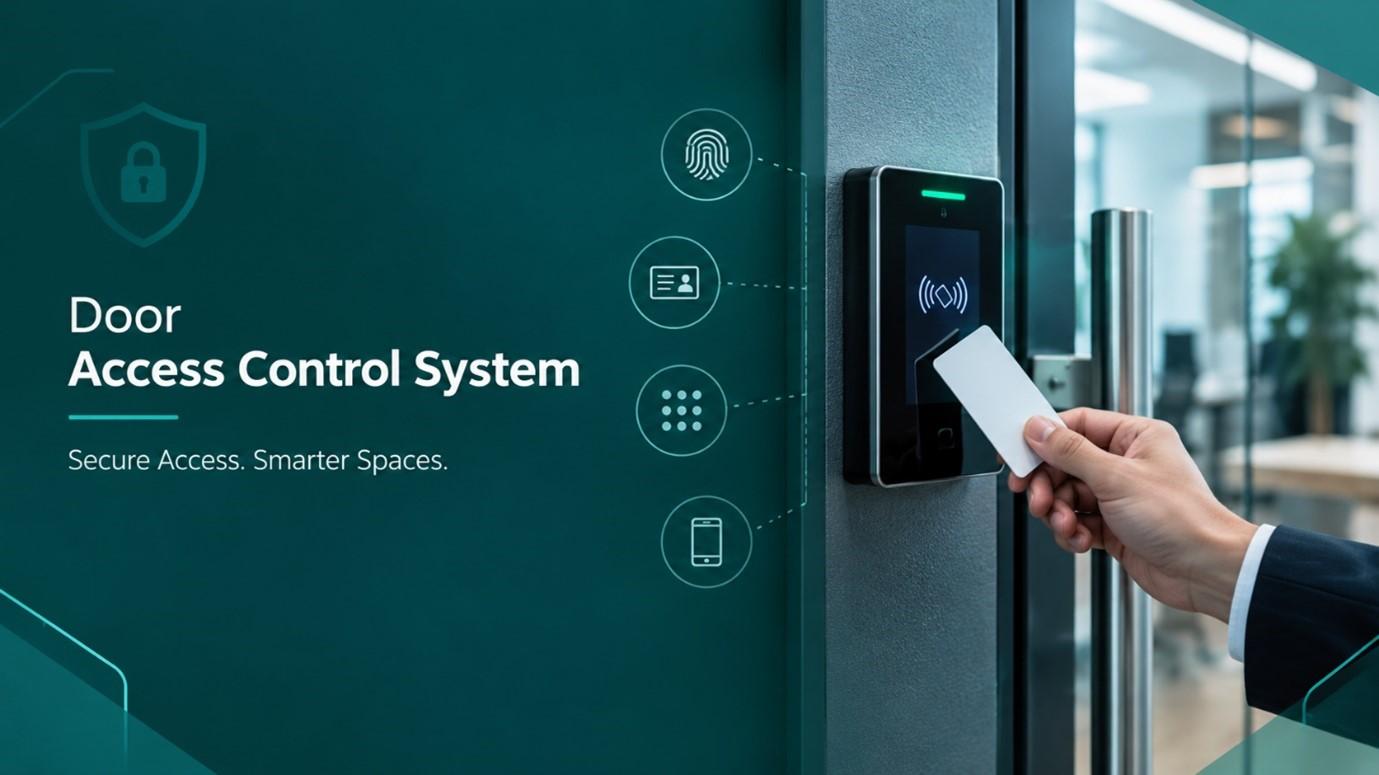
Access Control System UAE: Smarter Access Control Devices for Offices and Commercial Buildings

Selecting a dependable Access Control System UAE solution begins with understanding how modern entry management protects people, data, and physical assets. Offices, business towers, and mixed-use developments across the Emirates now need credential-based security that is reliable, auditable, and ready to grow with the business.
This guide explains how electronic entry devices work, which technologies suit different premises, how local expectations shape a project, and how to plan an installation that stays dependable for years. It is written from the perspective of practical security integration work, where design decisions are tested by real traffic, real tenants, and real audits.
Why Offices and Commercial Buildings Need Modern Entry Management
Commercial properties in the UAE operate under constant pressure. Multi-tenant towers receive hundreds of visitors, couriers, and contractors every day. Corporate offices protect client files, server rooms, and executive floors. Facility managers must prove who entered which area and at what time. Traditional metal keys cannot deliver that visibility, because a lost key forces expensive rekeying and a shared key removes accountability.
Electronic credentials solve both problems. Permissions can be granted, limited, or revoked in seconds from one dashboard, and every event is stored with a timestamp for compliance reviews and incident investigation. Occupancy reports, after hours entry alerts, and tenant specific schedules also help property managers control energy use, cleaning routines, and insurance exposure.
Core Components of Electronic Entry Management
Controllers and Management Software
The controller is the decision maker. It receives a credential from a reader, checks it against stored rules, and tells the lock to open or stay closed. Management software sits above the controllers, letting administrators enroll users, assign time zones, create door groups, and generate audit reports. Browser based platforms allow security teams to manage several floors, towers, or branch offices from a single screen.
Credentials and Readers
Credentials identify the person. They may be proximity cards, smart cards, key fobs, PIN codes, mobile phone credentials, or biometric traits. Readers capture the credential and pass it securely to the controller. Modern readers use encrypted communication protocols such as OSDP, which offers stronger protection than older Wiegand wiring and supports supervised, two-way communication.
Types of Readers and Entry Devices
Every Access Control Device you specify should match the risk level, traffic volume, and user profile of the area it protects. A reception lobby, a finance department, and a data room rarely need the same level of verification.
Card and Proximity Readers
Smart card readers using MIFARE and similar technologies remain the most common choice for general office doors. They are fast, affordable, and simple to issue or cancel. For higher security areas, pairing a card with a PIN adds a second verification layer.
Designing Secure Doors and Entry Points
A properly planned Door Access Control System considers the whole opening, not only the reader. Electric strikes, magnetic locks, and motorised bolts must suit the door material and the fire strategy of the building. Fail safe locks release when power is lost, which is usually required on escape routes, while fail secure locks stay locked and suit storage rooms and server areas.
Request to exit buttons, door position sensors, and emergency break glass units complete the opening. Door held open and door forced alarms warn the security desk when someone props a door or attempts to breach it. Cable routing, battery backup, and clear labelling at the design stage prevent most faults that appear after handover.
Cost and Return on Investment
Total cost depends on the number of doors, the type of readers, lock hardware, cabling condition, software licensing, and integrations. Cloud management and mobile credentials can lower long-term running costs by reducing card production and on-site server needs. The return appears through fewer security incidents, reduced rekeying, better tenant satisfaction, and faster audits.
Conclusion
A well-planned Access Control System gives offices and commercial buildings control, accountability, and lasting peace of mind. Selecting an Advanced Access Control System ensures your premises can scale with new tenants, technologies, and regulations. A properly designed Security Access Control System also protects sensitive data, staff, and visitors around the clock. Reliable Access Control Solutions combine quality hardware, secure software, and professional maintenance.
Contact Tektronix LLC today to plan a tailored entry management upgrade for your building.


