
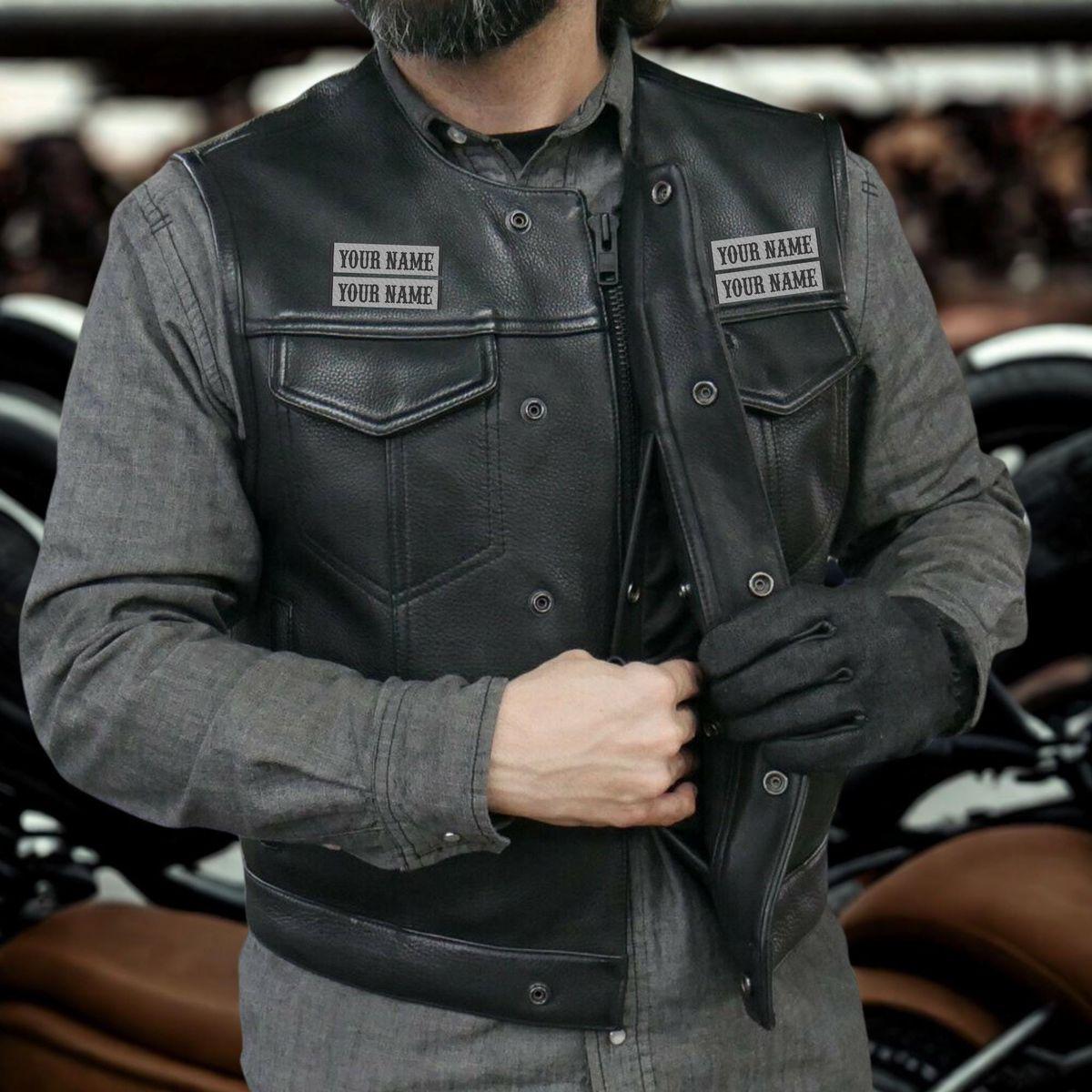
Why Can Adding Patches Change the Way a Leather Vest Sits?
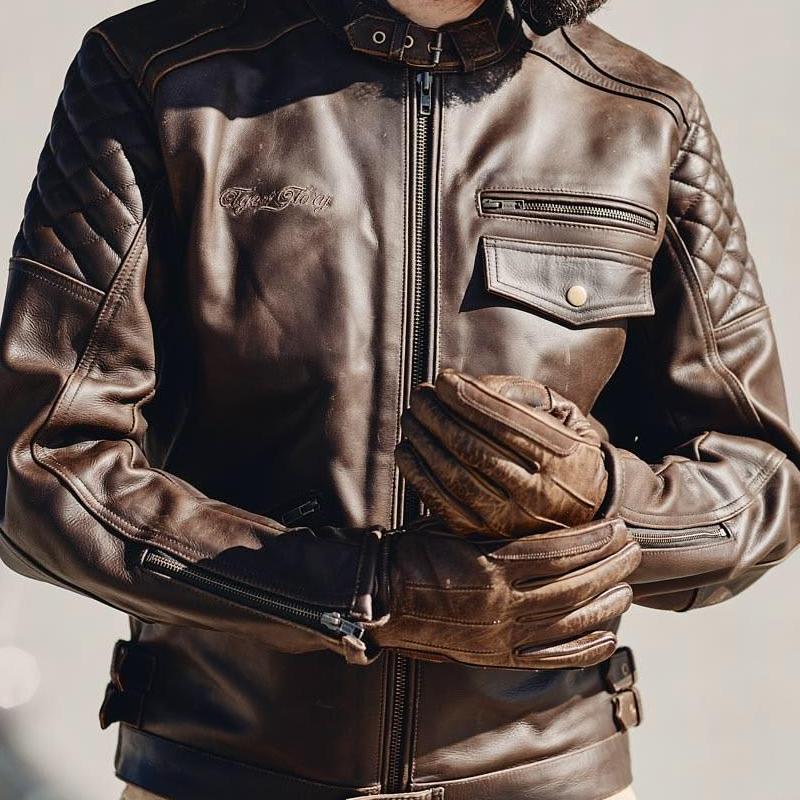
Adding patches can change the way a leather vest sits because every patch adds weight, stiffness, stitching, and another layer of material to the garment. A vest that originally draped evenly across the chest, shoulders, and back may begin to feel slightly firmer or pull differently after several large patches are added. The effect is usually gradual, and riders often notice it most after building up the back panel over time rather than after sewing on a single small patch. Patch placement, backing thickness, stitch density, leather weight, and the rider's posture all influence how much the fit changes.
This does not necessarily mean the vest has been damaged or altered incorrectly. Many patch-covered vests naturally become more structured as they are customized. The important question is whether the added patches still allow the leather to move with the rider without creating excessive pulling, bunching, or uneven tension. Good placement and proper sewing can preserve most of the original fit even as the vest becomes heavier and more personalized.
Patches Add Real Weight to the Vest
Every embroidered or woven patch adds a small amount of weight, and that weight becomes more noticeable as the total number increases. A large back patch, rocker set, side patches, and several smaller emblems can collectively change the balance of the garment. On mens leather motorcycle vests, this often becomes noticeable across the upper back and shoulders because those areas support most of the added load. The vest may begin to hang more heavily toward the rear, especially when the leather itself is relatively soft.
The effect can be subtle at first, but long rides make it easier to feel. A back panel carrying several thick patches may pull downward while the front remains comparatively light. If the vest already fits loosely, the extra rear weight can make it shift more when the rider moves or leans forward.
Large Back Patches Make the Panel Stiffer
A broad embroidered patch does more than add weight. Its backing material, thread, and dense embroidery can make a large section of leather less flexible than it was originally. Instead of bending smoothly across the rider's back, the patched area may move more like a single structured panel. This can change how the vest follows the shoulders and spine, especially when the rider leans forward or twists.
The effect is stronger when several patches are placed close together. Separate areas of stiffness can begin acting as one larger reinforced section. The surrounding unpatched leather then has to absorb more of the bending and movement that was previously distributed across the whole panel.
Patch Placement Changes Weight Distribution
Where patches are positioned matters just as much as how many are added. A vest with most of the patch weight concentrated high on the back can feel different from one where the weight is spread across the entire rear panel. Large patches placed low on the back may pull the lower edge downward and affect how the vest sits around the waist.
Uneven placement can also make one side feel heavier than the other. If several substantial patches are sewn onto only one side of the front or back, the vest may begin twisting slightly or hanging unevenly. Balanced placement helps the garment maintain a more natural drape.
Dense Embroidery Adds More Structure Than Thin Patches
Not all patches behave the same way. Thin woven patches usually add less stiffness than thick embroidered patches with heavy backing. Dense stitching creates a firmer piece that resists folding, which can change how the leather underneath moves.
A heavily embroidered club patch may therefore affect the vest more than several lightweight decorative patches. Riders building a patch layout should consider not only visual size but also thickness and construction. Two patches that look similar in dimensions can behave very differently once sewn onto leather.
Stitching Creates Fixed Points in the Leather
Sewing a patch to leather creates a large number of fixed points where the patch and leather are joined together. These stitches restrict some movement because the leather can no longer flex freely underneath the entire patch area. The more closely spaced the stitches are, the more firmly the two materials act as one.
This can slightly alter the way the leather folds when the rider sits or reaches forward. Correct stitch spacing is important because overly dense stitching can weaken the leather by creating too many holes close together. A well-sewn patch should stay secure without turning the surrounding leather into a perforated stress line.
The Back Panel May Stop Draping as Freely
An unpatched back panel can naturally curve around the rider's torso. Once several large patches are added, that panel may become flatter or more resistant to bending. This can make the vest feel more structured and sometimes slightly farther away from the body in certain areas.
The change is especially noticeable on softer womens leather motorcycle vests, where the original leather may have been designed to follow the body's contours more closely. Thick patch backing can interrupt that natural shaping. Careful placement becomes particularly important when the vest has a more fitted cut.
Shoulder Movement Can Change
Large patches placed high on the back can affect how the leather moves around the shoulder blades. When the rider reaches for the handlebars, the upper back needs to spread slightly. A stiff patch may limit some of that movement and transfer the strain toward the edges of the leather panel.
The rider may then feel extra pulling near the armholes or shoulder seams. This is one reason patches should not be positioned without considering riding posture. A layout that looks perfect while standing may feel different once the arms are extended forward.
Armholes Can Feel Tighter After Heavy Patch Work
If patch weight pulls the vest backward, the front edge of the armholes may sit differently against the shoulders or upper chest. This can create the impression that the armholes have become smaller even though their actual dimensions have not changed.
The problem can also appear when the upper back is made too rigid. The vest may no longer spread naturally with the shoulder blades, so more tension is felt around the arm openings. Riders should test mobility after major patch additions instead of judging fit only by appearance.
The Vest May Ride Up More in Seated Position
A stiffer back panel can change how the vest behaves when the rider sits. Instead of folding gradually through the waist and back, the patched section may resist bending and push the garment upward. This can make the lower front sit higher than before or cause the vest to bunch around the waist.
The exact effect depends on vest length, torso length, and motorcycle posture. Riders with a more forward lean may notice it sooner because the back panel is being asked to curve more sharply. A shorter vest may experience less bunching than a longer one under the same patch load.
Side Laces and Adjustments May Need Retuning
Adding patches can change how the vest balances across the torso, which sometimes makes side adjustments feel different. A vest that previously sat evenly with loose side laces may begin to pull backward once the rear panel becomes heavier.
Small adjustment changes can help restore balance, but tightening the sides excessively is not the right solution. The goal is to stabilize the vest without creating tension across the chest or restricting breathing. Side adjustments should support the new weight distribution rather than compensate for a fundamentally poor patch layout.
Front Patches Can Affect Closure Alignment
Patches are not limited to the back. Large or heavily backed patches on the chest can stiffen the front panels and change how they meet at the center. If one side becomes much more rigid than the other, snaps or zippers may feel slightly different.
The front closure should still align naturally without being pulled sideways. If patch placement causes the leather to twist or resist closing, the issue may be with weight and structure rather than the hardware itself. Balanced front patching helps avoid this problem.
Pocket Access Can Be Affected by Patch Placement
Patches sewn too close to pocket openings can make those areas stiffer and less flexible. A pocket that once opened easily may become harder to reach because the leather around it no longer bends the same way.
The patch stitching can also interfere with pocket bags if the sewing passes through both layers accidentally. This is especially important with interior or concealed pockets. Anyone sewing patches onto leather motorcycle vests should check pocket placement carefully before the first stitch is made.
Patches Can Add Heat to the Vest
A large embroidered patch creates another layer over the leather, which can slightly reduce airflow and increase heat retention across the covered area. This is most noticeable during hot-weather riding, especially on the back where sweat already accumulates.
A patch-heavy vest may therefore feel warmer than the same vest in its original condition. The extra heat can also make the leather and lining feel damp after long rides. Proper airing becomes more important as the patch coverage increases.
Moisture Can Collect Around Patch Borders
Patches and leather do not always dry at the same rate. Fabric backing and dense embroidery can hold moisture longer than the surrounding leather, especially after rain or heavy sweating. This can make the patched area feel heavier temporarily and may also affect how the vest sits until everything dries.
The borders deserve particular attention because water can collect around stitch lines. After a wet ride, the vest should be allowed to dry naturally with good airflow. Direct heat should be avoided because the leather, thread, and patch materials may all react differently.
Patch Weight Can Deepen Existing Creases
The added stiffness and weight of patches can make existing waist or back creases more pronounced. If the leather already folds in a certain location, a heavy patch above or below that line may concentrate movement into a narrower area.
This does not automatically mean the leather is being damaged. The concern begins when the crease becomes hard, dry, or starts cracking. Keeping the leather flexible and avoiding excessive stress helps normal riding folds remain healthy.
Patch Sewing Can Change Leather Tension
If a patch is sewn while the leather is stretched, twisted, or not lying naturally, the stitching can lock that distorted shape into the vest. Once the patch is attached, the leather may pull toward one side or develop puckering around the edge.
This is why proper positioning before sewing matters so much. The vest should lie naturally and the patch should be placed without forcing the leather underneath. Good preparation reduces the chance that the finished garment will sit differently simply because the material was held incorrectly during installation.
Machine Sewing Can Create More Tension if Done Poorly
Leather requires appropriate needles, thread, and machine setup. If the stitch tension is too high, the thread can pull the patch edges inward and create puckering in the surrounding leather.
This can distort the panel and change the way it hangs. A walking foot or leather-capable machine setup can help feed the materials more evenly, but the operator still needs to manage stitch spacing and tension carefully. Poor machine sewing can alter fit more than the patch itself.
Hand Sewing Can Be Safer for Some Areas
Hand sewing allows more control around pockets, linings, and tight areas where machine access is difficult. It can also reduce the risk of accidentally sewing through internal pocket bags or hidden layers.
However, hand stitching still needs consistent spacing and tension. Pulling each stitch too tightly can gather the leather around the patch edge. The goal is secure attachment without compressing the panel.
Patch Backing Can Create Pressure Points
Some patches have thick or rigid backing that does not conform easily to curved areas. If placed over the shoulder blade, chest, or another contoured section, the backing may push outward or create a hard edge against the leather.
This can change how the vest rests against the body. Softer backing or careful placement on flatter sections usually produces a more natural result. Large rigid patches are generally best suited to broad central panels rather than high-movement areas.
Too Many Patches Can Make the Vest Feel Board-Like
There is a point where enough patches can change the character of the vest completely. A heavily covered back may become much more rigid, almost like a reinforced panel rather than flexible leather.
Some riders prefer this structured feel, particularly when the patch layout has personal or club significance. Others may find that mobility and comfort decrease. The key is recognizing that adding many patches is not purely cosmetic, because it changes how the garment behaves mechanically.
Older Leather Reacts Differently to New Patches
Older leather may already have established creases, softened areas, and years of riding shape. Adding a stiff new patch to a well-broken-in panel can create a noticeable contrast between the flexible leather and the rigid new section.
The surrounding material then has to adapt to the new structure. If the leather is dry or weakened, new stitching can also place additional stress around old fibers. Older vests should be inspected carefully before major patch work is added.
Existing Stitch Holes Can Affect New Patch Placement
Vests that have had patches removed may contain rows of old stitch holes. Sewing a new patch directly through weakened or closely spaced holes can reduce the strength of the leather.
It can also create uneven tension because some sections are already more flexible than others. A leather specialist may recommend shifting the patch slightly or reinforcing the area before sewing. Repeated patch changes should be planned carefully to avoid turning the back panel into a weak perforated surface.
Lining Can Change the Way the Patch Sits
Some patches are sewn through both leather and lining, while others are attached after the lining is opened and moved aside. Sewing through the lining can occasionally pull the interior fabric too tightly and affect the way the vest hangs.
It may also create discomfort if thread or backing becomes rough against the body. A professional installer can often preserve the lining more cleanly, especially on vests with interior pockets. The construction method matters as much as the patch itself.
Heavy Patches Can Make One Shoulder Feel More Loaded
If large patches are concentrated on one side, the vest can become noticeably unbalanced. One shoulder may feel as if it is carrying more weight, particularly during long rides.
The rider may unconsciously compensate by adjusting posture, which can create additional neck or shoulder fatigue. Distributing weight more evenly improves both comfort and the way the garment hangs. Visual balance often helps physical balance as well.
Patch Pins and Metal Badges Add More Weight
Pins, metal badges, and decorative hardware may seem small, but several pieces can add meaningful weight to a patch-heavy vest. Metal items also create concentrated load at tiny attachment points rather than spreading weight across a large patch.
This can make one area sag or pull more than expected. Pins should be checked regularly because loose backs or corroded hardware can also damage the leather. Large collections of heavy metal badges are better balanced across the vest rather than clustered in one place.
Storage Can Affect a Patch-Heavy Vest More
A vest carrying substantial patch weight needs good support during storage. A narrow hanger can allow the shoulders to stretch because the garment is heavier than it was originally.
A broad hanger distributes the load across more of the shoulder area. The vest should also have enough space that the patches are not crushed between other garments. Long-term pressure can distort both the embroidery and the leather underneath.
Folding a Patched Vest Can Create Hard Creases
Patch-heavy vests are less suitable for tight folding because rigid embroidered areas do not bend as naturally as plain leather. Folding across a large patch can create pressure on the stitching and force the surrounding leather into sharp lines.
If the vest must be packed for travel, use loose folds and avoid placing heavy luggage on top. Hanging it again as soon as possible allows the garment to settle back into a natural shape.
How Can You Tell if Patches Are Affecting the Fit Too Much?
Some change is normal after extensive patch work, but the vest should still move comfortably with the rider. Problems become more concerning when the garment starts pulling strongly to one side, restricting shoulder movement, riding up excessively, or creating pressure around the armholes.
Other warning signs include puckering around patch borders, stretched stitching, distorted pockets, or side adjustments that suddenly need major changes. These signs suggest that the patch layout or sewing method is affecting the vest beyond normal added structure.
Plan Patch Placement Before Sewing
The best way to prevent fit problems is to plan the entire layout before any permanent holes are made. Place the patches temporarily on the vest and evaluate them while the garment is both flat and worn.
Check shoulder movement, pocket access, side seams, and how the back behaves in riding posture. Large patches should stay clear of areas that need significant flex whenever possible. A few minutes of planning can prevent a layout that looks good but rides poorly.
Test the Vest in Riding Position
Standing in front of a mirror is not enough to evaluate a patch layout. Put the vest on, reach toward the handlebars, lean forward, turn the torso, and sit as you normally would on the motorcycle.
Watch whether the patches cause the back to pull upward or the shoulders to tighten. This test is especially useful before sewing a large central patch or upper rocker. The vest should still follow the rider rather than forcing the rider to move around the patch.
Professional Installation Can Protect the Vest
Large or meaningful patches are often worth having installed by someone experienced with leather garments. A professional can avoid pockets, manage the lining, choose appropriate thread and needles, and control stitch tension.
This is particularly useful on older or expensive vests where mistakes are difficult to reverse. Every stitch creates a permanent hole in leather, so careful installation helps preserve both the appearance and long-term strength of the garment.
Conclusion
Adding patches can change the way a leather vest sits because patches introduce extra weight, stiffness, backing material, and stitching into panels that were originally designed to flex freely. Large back patches can make the rear panel more rigid, uneven placement can affect balance, and heavy embroidery can shift the way the shoulders, armholes, waist, and front closure behave. The more patch work a vest carries, the more important it becomes to think about movement and weight distribution rather than appearance alone.
A well-planned patch layout should still allow the vest to move naturally in riding position. Keep heavy patches balanced, avoid restricting high-movement areas, protect pocket access, use appropriate sewing methods, and support the vest properly during storage. Patches are meant to add identity and history to a vest, and careful installation allows that personalization without unnecessarily compromising comfort or fit.
For riders looking for leather motorcycle vests that can serve as a strong base for personal patches, club layouts, and long-term customization, Born To Race offers options for both men and women. Contact Born To Raceto explore available styles and choose a vest with the fit, panel construction, and riding comfort that suit the way you plan to customize it.


