
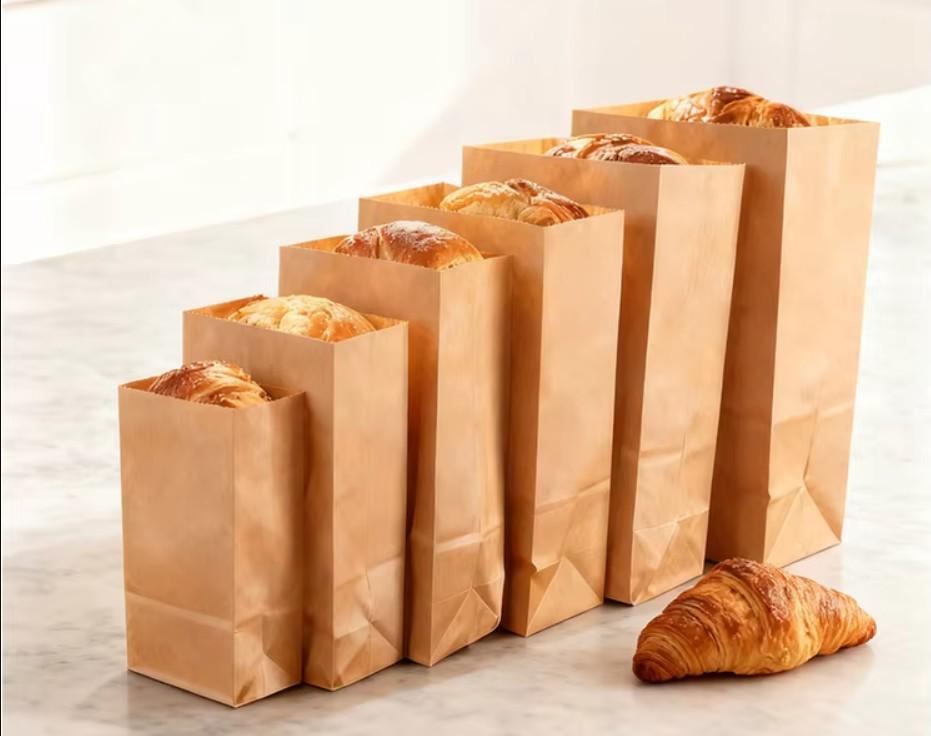
Why Branded Bread Bags Matter for Modern Bakery Businesses
Modern bakeries compete on flavour, freshness and the overall experience they offer customers. Packaging forms part of that experience from the moment a loaf leaves the counter. Clear branding, practical protection and a professional appearance all influence how customers perceive the product and the business behind it. Many bakeries strengthen both product quality and brand recognition when they invest in custom bread bags.
Good packaging does more than wrap a loaf. It protects the bread, communicates values and turns every sale into a small brand encounter.
Protecting Freshness and Product Quality
Bread is sensitive to moisture, air and handling. Packaging that fails to manage these factors can leave loaves soft, dry or damaged before the customer reaches home. Custom bread bags designed with the right materials help control moisture exchange and reduce the risk of crushing during transport.
Paper bags with suitable coatings or linings offer a practical balance. They allow some breathability while limiting excess moisture loss or absorption. This supports better texture for longer, whether the customer eats the bread the same day or the next.
Stronger construction also matters. Bags that tear easily or lack adequate base support can drop or damage the loaf. Reliable materials reduce waste and protect the bakery’s reputation for quality.
Building Brand Recognition with Every Sale
Every bread bag that leaves the bakery carries a visual message. Clear logos, consistent colours and simple typography help customers recognise the business quickly. Over time, repeated exposure builds familiarity and trust.
Many successful bakeries keep the design focused. A well-placed logo, bakery name and short descriptor often communicate more effectively than dense information. Readable text and balanced layout support a professional impression without overcrowding the surface.
Consistent branding across different loaf sizes and product types reinforces identity. When every bag follows the same visual system, the range feels more cohesive and intentional.
Supporting Customer Experience and Convenience
Practical design details improve the experience for both staff and customers. Bags that open easily and close securely save time at the counter. Handles or reinforced openings make larger loaves easier to carry, especially when customers buy multiple items.
Presentation also influences perception. A neatly printed bag feels more considered than a plain or poorly finished alternative. Customers often associate careful packaging with higher overall quality and greater attention to detail.
Clear product information printed on the bag can further support the experience. Simple details such as storage advice or allergen notes add value without requiring extra labels.
Practical Advantages for Busy Bakeries
Speed and reliability matter during peak periods. Bags that are easy to load and handle reduce friction for staff working under pressure. Consistent sizing across common loaf formats simplifies packing and stock management.
Durability during short journeys from bakery to home or office also counts. Bags that resist tearing and maintain their shape help the product arrive in good condition. This reliability reduces complaints and supports positive word-of-mouth.
Some bakeries use different bag styles for different product ranges. A distinct design for sourdough, for example, can help customers identify their preferred loaf more quickly while still remaining within the overall brand system.
Material Choices That Align with Brand Values
Material selection affects both performance and perception. Paper remains popular for its natural appearance and recyclability. Many customers prefer packaging they can dispose of responsibly, and clear recycling information supports this preference.
Grease resistance becomes important for enriched or seeded loaves that may release oil. Suitable coatings protect the bag’s appearance while remaining appropriate for food contact. These practical layers help maintain a clean look until the customer opens the pack.
Some bakeries explore alternatives that further reduce environmental impact. Recycled content, responsibly sourced fibres and minimal ink coverage all contribute to a more considered approach. Transparent communication about these choices builds credibility with environmentally aware customers.
Design Considerations for Effective Branding
The printable area on a bread bag offers valuable space for identity and information. Logos and key messages should sit in positions that remain visible when the bag is carried or displayed. Avoid placing critical text where folds or creases might obscure it.
Colour consistency supports recognition. Matching the bag design to existing brand guidelines creates a seamless link between packaging and the wider bakery identity. Seasonal or limited-edition variations can still sit within the same visual system without causing confusion.
Finish choices influence the overall feel. Matte surfaces often suit artisan or traditional bakeries. Slightly smoother finishes can support clearer print quality for more detailed designs. The right combination reinforces the intended brand character.
Common Challenges and Practical Solutions
One frequent issue is selecting bags that are too thin or poorly constructed. These fail under the weight of larger loaves or during handling. Testing samples with realistic product weights helps identify more reliable options.
Another challenge involves inconsistent branding. Using a mix of plain and printed bags weakens visual identity. Moving to a consistent custom range strengthens recognition over time.
Ignoring end-of-life considerations can also create problems. Packaging that customers find difficult to recycle may generate negative feedback even when the bread itself is excellent. Designing with disposal in mind supports both customer satisfaction and brand reputation.
Planning and Specifying Successful Bread Bags
Clear product details and brand guidelines form the starting point. Share information about typical loaf sizes, weights, any grease concerns and logo requirements early. This shapes practical recommendations and reduces the need for later revisions.
Requesting physical samples allows real-world testing. Checking strength, print quality, ease of packing and appearance under normal conditions reveals issues that digital designs cannot show. Feedback at this stage leads to better final choices.
Consider order volumes carefully. Smaller runs suit new bakeries or limited trials. Larger quantities usually lower the unit cost and support consistent branding as sales grow.
How Packaging Influences Bakery Reputation
Customers notice when packaging feels considered. Clean construction, secure contents and clear branding all contribute to a positive impression. People often associate thoughtful packaging with higher overall quality and greater care from the bakery.
Reliable packaging also supports operational efficiency. Fewer damaged loaves, faster packing and clearer presentation reduce friction for staff and improve consistency across every sale.
Moving Forward with Stronger Bakery Packaging
Custom bread bags give modern bakeries a practical way to protect products, strengthen brand identity and improve the customer experience. They address the specific challenges of freshness, handling and presentation while creating opportunities for clear branding and responsible material choices.
The most effective packaging balances protection, practicality and visual clarity. Bakeries that treat the bag as an extension of their craft rather than a simple wrapper gain a lasting advantage in competitive markets.
Review your current packaging against the needs of your loaves and customers. Identify where better protection, clearer branding, improved convenience or more responsible materials would make the greatest difference. Taking a focused approach helps you create packaging that protects your bread and strengthens the impression you leave with every customer.


