
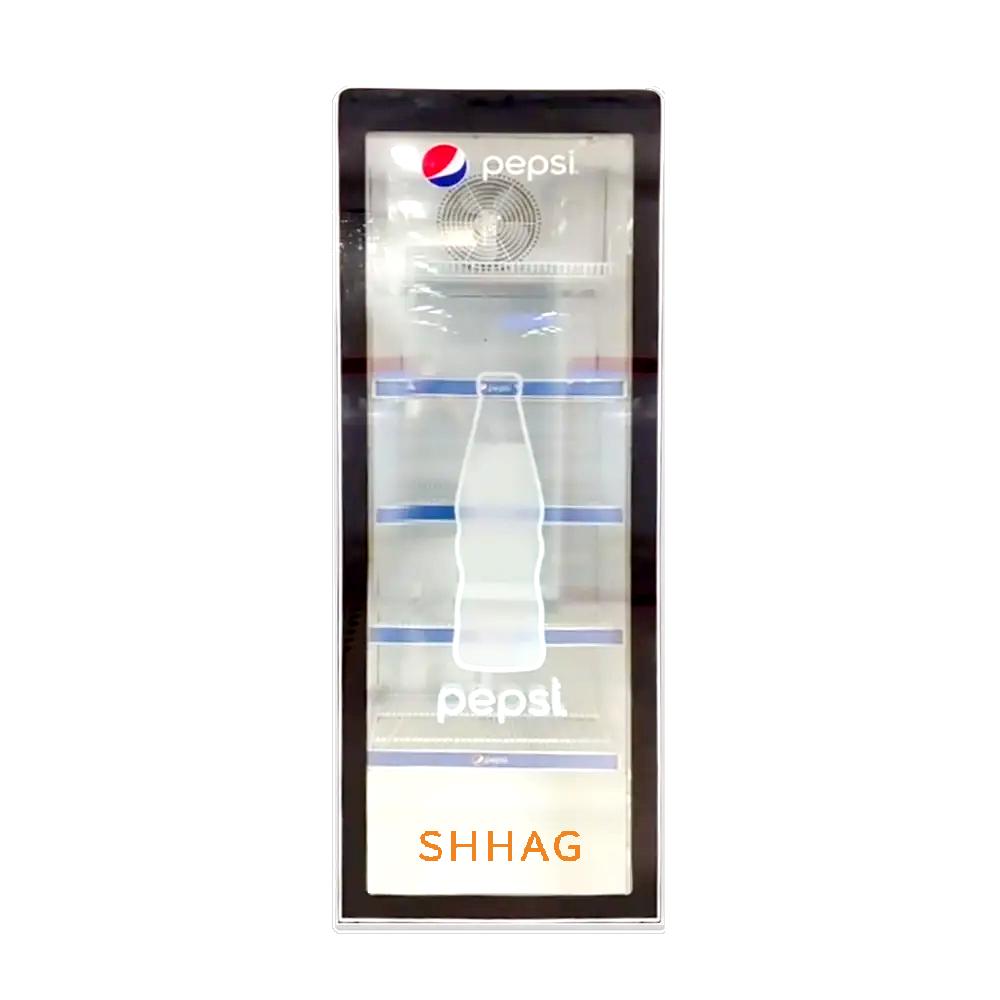
Built for Visibility and Performance: Choosing the Right Upright Freezer Door

In supermarkets, convenience stores, and commercial food outlets, upright freezers provide an organized way to store and display frozen products. Their vertical design makes efficient use of floor space while allowing customers to browse different items conveniently. A well-designed upright freezer glass door plays an important role in this setup by combining clear product visibility with the practical requirements of commercial refrigeration.
From frozen vegetables and seafood to desserts and ready-to-cook meals, retailers need display equipment that keeps products accessible without compromising storage conditions. Selecting suitable freezer doors can help businesses create attractive displays and maintain efficient daily operations.
Why Upright Freezers Are Popular in Retail
Upright freezers are commonly used because their shelving and vertical arrangement make products easier to organize. Instead of searching through a deep storage compartment, customers can view different product categories at eye level or across multiple shelves.
This arrangement benefits both shoppers and store employees. Customers can identify products more quickly, while staff can check inventory, replenish shelves, and maintain an orderly display.
Transparent doors add another advantage. Shoppers can examine the available selection before opening the freezer, reducing unnecessary door access. This can contribute to a more convenient shopping experience and help retailers present their frozen product ranges effectively.
Product Visibility Influences Buying Decisions
Visual presentation is an important part of retail merchandising. When customers can clearly see packaging, labels, and product varieties, comparing available options becomes easier.
Glass doors allow retailers to display frozen products while keeping them protected inside the refrigerated cabinet. This is particularly useful for stores offering multiple brands, sizes, and product categories.
Clear visibility can also help employees identify low stock levels without opening every compartment. As a result, restocking decisions may become more efficient, especially in busy stores where freezer sections receive frequent customer attention.
A clean and well-arranged display can make the frozen food section look more professional and encourage customers to explore the available selection.
Glass Construction and Insulation Matter
Commercial freezer doors must perform reliably under regular use and low-temperature conditions. Their effectiveness depends on more than the appearance of the glass. The complete assembly, including glazing, frame, hinges, and seals, contributes to overall performance.
When evaluating freezer doors, retailers should consider several important characteristics:
-
Thermal insulation: Suitable glazing helps limit heat transfer between the store environment and the freezer interior.
-
Structural durability: The door should be designed to handle repeated opening and closing.
-
Clear visibility: Glass should provide a useful view of products and packaging.
-
Frame quality: A stable frame supports proper alignment and everyday operation.
-
Effective sealing: Properly fitted gaskets help reduce unwanted air exchange.
These features should be considered together to ensure that the selected door is appropriate for the freezer cabinet and its operating environment.
Managing Condensation and Frost
Condensation and frost can affect the visibility of freezer displays. When moisture collects on the glass, customers may struggle to see the products inside. This can reduce the effectiveness of the display and create additional cleaning requirements.
Some commercial freezer door systems use specialized glazing or heating features to help manage condensation. The appropriate solution depends on the freezer design, surrounding humidity, temperature differences, and frequency of door opening.
Retailers should also pay attention to the condition of door seals. Damaged gaskets may allow humid air to enter the cabinet, contributing to moisture problems and making temperature management more difficult.
Regular inspection and suitable maintenance can help preserve clear visibility and dependable operation.
Selecting Doors for Different Business Requirements
A supermarket freezer installation may have different requirements from a smaller convenience store or specialist frozen food retailer. Available space, cabinet dimensions, product range, customer traffic, and refrigeration configuration all influence the selection process.
Before choosing a door, businesses should evaluate:
-
The exact dimensions and design of the existing freezer cabinet.
-
The operating temperature required for the stored products.
-
The frequency of customer and employee access.
-
The insulation and sealing characteristics of the door.
-
Compatibility with the existing refrigeration system.
-
Availability of replacement parts and maintenance support.
Correct sizing is especially important. A door that does not fit the cabinet properly can create alignment and sealing problems. Retailers should confirm technical compatibility before purchasing replacement components or planning a new installation.
Maintaining Long-Term Door Performance
Routine maintenance helps commercial freezer doors remain functional and presentable. Glass surfaces should be cleaned regularly with suitable products that will not damage their finish. Frames, handles, hinges, and gaskets should also be inspected for wear or damage.
Employees should make sure doors close completely after use. A door that remains slightly open can allow cold air to escape and warmer air to enter, placing additional demand on refrigeration equipment.
Other useful maintenance practices include checking for damaged seals, monitoring unusual frost accumulation, and addressing loose fittings promptly. Small issues are often easier to resolve when identified early.
A Practical Investment in Commercial Refrigeration
Upright freezer displays need to balance accessibility, product presentation, and reliable cold storage. The right door helps retailers make products easier to view while supporting the enclosed environment required for frozen food storage.
Businesses planning a new freezer installation or upgrading existing equipment should assess glass quality, insulation, construction, compatibility, and maintenance requirements before making a decision. Specialist suppliers such as SHHAG can help retailers explore suitable refrigeration door options for different commercial applications.
Ultimately, a dependable upright freezer glass door is an important component of an effective retail freezer display, helping businesses maintain an organized presentation and a convenient shopping environment.


