
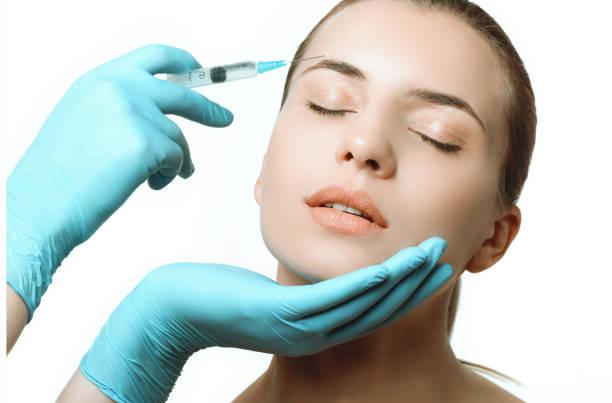
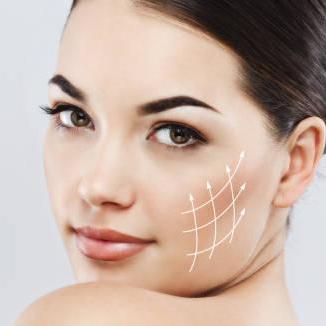
Facial rejuvenation treatments are becoming increasingly popular among people who want to soften wrinkles and maintain a refreshed appearance without undergoing surgery. Among these options, botox riyadh are widely considered for reducing the appearance of expression lines, particularly around the forehead, between the eyebrows, and near the eyes. However, before choosing this treatment, many people want to understand its safety, possible side effects, and whether it is suitable for their facial concerns. When administered by a qualified medical professional using an appropriate product and technique, Botox is generally considered safe for suitable candidates. Understanding how the treatment works and what precautions are necessary can help patients make informed decisions.
Understanding How Botox Works for Facial Rejuvenation
Botox is a purified form of botulinum toxin type A that temporarily reduces muscle activity. Certain facial muscles contract repeatedly when people smile, frown, squint, or raise their eyebrows. Over time, these repeated movements can contribute to the development of expression lines.
Botox works by temporarily blocking nerve signals that tell targeted muscles to contract. As the muscles relax, the overlying skin may appear smoother, making existing dynamic wrinkles less noticeable. The treatment is commonly used for forehead lines, frown lines between the eyebrows, and crow's feet around the eyes.
It is important to understand that Botox does not restore lost facial volume or directly improve every type of wrinkle. A consultation helps determine whether it is an appropriate option for the patient's concerns.
Is Botox Safe for Facial Rejuvenation?
Botox has been used in medical and aesthetic treatments for many years. Its safety profile is well established when it is administered by appropriately trained and licensed healthcare professionals who understand facial anatomy, dosing, and injection techniques.
However, no medical or cosmetic procedure is completely free of risk. The safety of treatment depends on several factors, including the patient's health, the product used, the injection location, and the practitioner's experience.
Importance of Choosing a Qualified Professional
One of the most important safety considerations is selecting a qualified medical practitioner. Facial muscles and nerves are closely connected, so accurate placement is essential for achieving an appropriate result while reducing the likelihood of complications.
A trained professional should:
-
Review the patient's medical history and current medications.
-
Examine facial movements and identify suitable treatment areas.
-
Explain the expected results and possible side effects.
-
Use an approved product obtained through a reliable medical supply chain.
-
Follow appropriate hygiene and injection procedures.
-
Provide aftercare guidance and follow-up when necessary.
Patients should avoid treatments from unqualified providers or anyone offering products without clear information about their source.
Common Side Effects of Botox Treatment
Most side effects associated with cosmetic Botox injections are temporary and relatively mild. They may occur shortly after treatment and generally improve without additional intervention.
Common side effects include:
-
Mild redness around the injection sites.
-
Temporary swelling or tenderness.
-
Small bruises where the needle enters the skin.
-
Mild headaches.
-
Temporary discomfort in the treated area.
Some patients may also experience temporary eyelid or eyebrow drooping, particularly if the product affects nearby muscles. This is one reason accurate injection placement and appropriate dosing are important.
Patients should contact their healthcare provider if symptoms persist, worsen, or cause concern.
Rare but Serious Risks to Understand
Although uncommon with properly administered cosmetic treatment, more serious complications can occur. These may include allergic reactions or unintended spread of the toxin's effects beyond the injection area.
Symptoms requiring urgent medical attention include difficulty breathing, swallowing, or speaking, significant muscle weakness, and severe allergic reactions. Patients should seek immediate medical care if these symptoms develop.
People with certain neuromuscular conditions may have an increased risk of complications. A medical professional should carefully assess their suitability before treatment.
Who Should Avoid or Delay Botox Injections?
Botox may not be appropriate for everyone. Patients should disclose their complete medical history before receiving injections, including any existing health conditions, allergies, and medications.
Treatment is generally avoided in people with a known allergy to the product or an active infection at the intended injection site. People with certain neuromuscular disorders require special medical assessment. Botox is also generally not recommended during pregnancy or breastfeeding because safety information is limited.
Certain medications, including some muscle relaxants and drugs that affect nerve-muscle communication, may influence treatment safety. Patients should never stop prescribed medication without consulting their healthcare provider.
How to Make Botox Treatment Safer
Patients can take practical steps to reduce avoidable risks and support a safe treatment experience. The process should begin with a consultation rather than an immediate injection appointment.
Before the Procedure
Discuss your aesthetic goals, medical history, allergies, and previous cosmetic treatments. Ask which product will be used, who will administer it, and what results are realistic. Follow the practitioner's instructions regarding medications and supplements, particularly those that may increase bruising. Do not discontinue any prescribed medicine without medical advice.
After the Procedure
Follow the aftercare instructions provided by your practitioner. Avoid rubbing or applying unnecessary pressure to the treated areas immediately after injections. Your provider may also recommend avoiding strenuous exercise for a short period, depending on the treatment plan. Contact the clinic if you notice unexpected symptoms or have concerns about your recovery.
What Results Can Patients Expect?
Results usually begin to appear within a few days, although the full effect may take approximately one to two weeks. The treated muscles gradually become less active, helping soften expression lines while allowing a natural-looking appearance when the treatment is appropriately planned.
The effects are temporary and commonly last around three to four months, although individual results vary. Factors such as muscle strength, treatment area, dosage, and personal response can influence how long the results remain noticeable.
A personalized treatment plan can help maintain balanced facial movement and avoid an overly restricted appearance. The goal should be a refreshed look that complements the patient's natural features rather than eliminating all facial expression.
Conclusion
Botox can be a suitable option for facial rejuvenation when performed by a qualified healthcare professional following an appropriate assessment. Understanding the possible side effects, medical precautions, and realistic outcomes is essential before deciding whether treatment is right for you. If you are considering Botox Injections in Riyadh, a professional consultation can help determine your suitability and establish a treatment approach based on your facial anatomy and goals. For personalized guidance and aesthetic care, consult the experienced team at Royal Clinic Saudia to discuss your options and make an informed decision about facial rejuvenation.


