
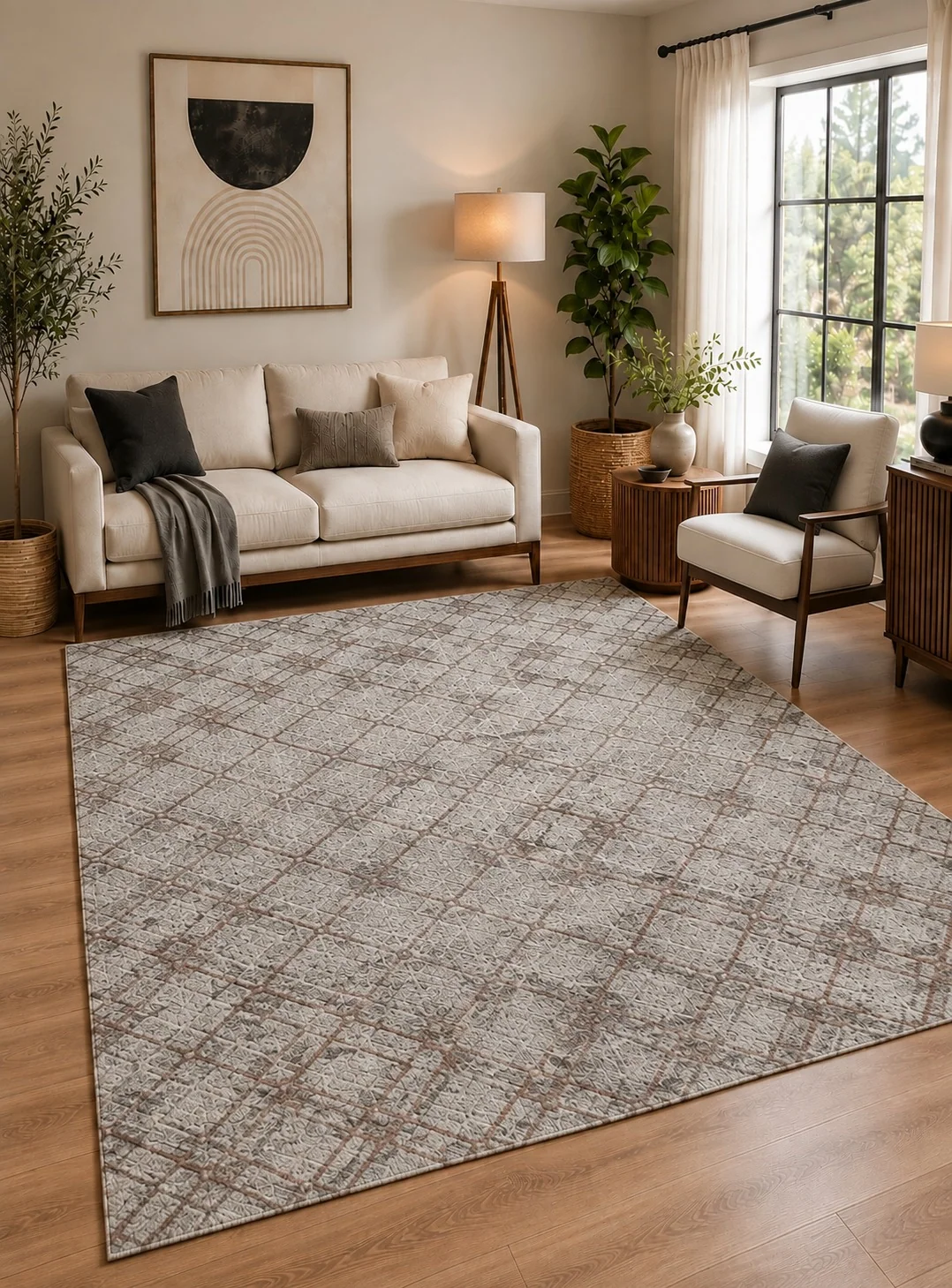
How to Choose a Large Area Rug for Your Living Room in Arlington Heights, Illinois

Choosing the right area rug can completely transform your living room. It adds warmth, comfort, visual appeal, and helps create a more organized and inviting atmosphere. Whether you have a spacious living room, a small apartment, an open-concept home, or a modern interior, the right large area rug for living room spaces can bring your furniture and décor together beautifully. However, selecting a rug involves more than simply choosing a color or pattern. Size, material, texture, placement, durability, and maintenance all play an important role in finding the perfect option.
Homeowners in Arlington Heights, Illinois, often look for practical yet stylish ways to improve their living spaces. A thoughtfully selected rug can make a room feel larger, create a cozy seating arrangement, complement existing furniture, and provide a comfortable surface for everyday activities. Understanding what to consider before purchasing can help you make a decision that suits your lifestyle, interior design, and budget.
Understand the Purpose of Your Living Room Rug
Before shopping for a rug, consider how you use your living room. Some households use the space primarily for entertaining guests, while others spend most of their time relaxing, watching television, reading, or playing with children. The purpose of your living room should influence the type of rug you choose.
If your living room is a busy family space, durability and easy cleaning should be important priorities. A rug with a practical texture and stain-resistant construction can help manage everyday spills, foot traffic, and general wear. Households with children or pets may benefit from materials that are easy to maintain and less likely to show dirt.
For a formal living room, appearance may be a greater priority. A soft, luxurious rug with an elegant pattern can create a sophisticated environment suitable for entertaining guests. If you enjoy a comfortable, relaxed atmosphere, a plush rug can make your seating area feel warm and inviting.
Understanding your lifestyle before shopping helps narrow down the available choices and ensures that your rug is both attractive and functional.
Choose the Right Rug Size for Your Space
Rug size is one of the most important factors when designing a living room. A rug that is too small can make furniture appear disconnected, while an oversized rug may overwhelm the room. The ideal size creates balance and helps define the seating arrangement.
Large living rooms generally benefit from larger rugs that accommodate the sofa, accent chairs, coffee table, and other furniture pieces. A rug positioned beneath the front legs of the seating furniture creates a unified arrangement and visually connects the different elements.
For smaller living rooms, choosing a rug that extends beyond the coffee table and reaches the front legs of the sofa can make the space feel more organized. Leaving some visible flooring around the rug creates a balanced appearance without making the room look crowded.
Before purchasing, measure the seating area carefully. Consider the sofa dimensions, chair placement, coffee table size, and the distance between furniture pieces. Marking the intended rug dimensions on the floor with painter's tape can help you visualize how different sizes will fit.
A properly sized large area rug for living room spaces creates a more comfortable foundation for furniture and makes the entire room look professionally arranged.
Consider Your Living Room Layout
The layout of your living room should influence your rug selection. Furniture arrangement, walking paths, doorways, and available floor space all determine where the rug should be placed.
In a traditional seating arrangement, the rug can sit beneath the sofa and chairs, creating a central gathering area. In an open-concept home, an area rug can separate the living room from the dining area without requiring walls or partitions.
If your sofa faces a television or fireplace, placing the rug beneath the coffee table and extending it toward the seating can help establish a focal point. For rooms with multiple seating arrangements, separate rugs may help distinguish individual areas.
Homeowners in Arlington Heights with open-concept interiors can use rugs to create visual boundaries while maintaining a spacious and connected feeling. Choosing a rug that complements the overall layout ensures that the room remains functional, comfortable, and visually balanced.
Select a Rug Color That Complements Your Furniture
Color is essential when selecting a living room rug because it affects the entire appearance of the space. Your rug should complement the sofa, walls, flooring, curtains, cushions, and other decorative elements.
Neutral colors such as beige, ivory, gray, taupe, and cream work well in many interiors. They create a calm atmosphere and allow furniture and decorative accessories to stand out. Neutral rugs are also versatile because they can accommodate changing décor styles over time.
If your living room furniture is neutral, a colorful rug can introduce personality and visual interest. Blue, green, terracotta, rust, or muted gold can create an attractive focal point without making the room feel overwhelming.
For homes with patterned furniture or bold decorative accessories, a simple rug may create better balance. Conversely, a patterned rug can add depth to a room with plain walls and minimal furniture.
When choosing colors, consider the natural lighting in your Arlington Heights home. Rooms with limited sunlight may benefit from lighter rug shades that help create a brighter atmosphere, while spacious, naturally illuminated rooms can accommodate darker or richer colors.
Explore Different Rug Materials
The material of a rug affects its comfort, durability, appearance, and maintenance requirements. Understanding the differences between common materials can help you choose the best option for your living room.
Wool rugs are popular because they offer softness, warmth, and durability. Their natural fibers provide a comfortable surface and can add a luxurious feeling to the room. Wool is suitable for living spaces where comfort and long-term quality are important.
Synthetic rugs, including polyester and polypropylene options, are often practical for busy households. Many are designed to resist stains, maintain their appearance, and provide easier cleaning. They can also be available in a wide variety of colors, patterns, and textures.
Cotton rugs are generally lightweight and can offer a relaxed, casual appearance. Depending on their construction and size, some cotton rugs may be easier to clean or move than heavier alternatives.
Natural fiber rugs, including jute and sisal, can introduce organic texture into a room. They work particularly well with farmhouse, coastal, rustic, and contemporary interiors. However, their texture may feel different from plush rugs, so consider comfort and maintenance before choosing them.
The best material depends on how frequently your living room is used and the type of comfort and appearance you want to achieve.
Match the Rug to Your Interior Design Style
Your rug should reflect the overall style of your living room. A carefully selected design can enhance the furniture and create a cohesive interior.
Modern living rooms often benefit from geometric patterns, subtle textures, abstract designs, or solid colors. These rugs complement clean lines, contemporary furniture, and simple decorative arrangements.
Traditional interiors may look beautiful with vintage-inspired patterns, ornamental designs, floral details, or rich color combinations. These styles can add character and elegance to classic furniture.
Farmhouse interiors often feature neutral colors, distressed patterns, woven textures, and understated designs. A rug with a natural appearance can complement wooden furniture and comfortable upholstered seating.
Minimalist rooms benefit from rugs with simple designs and subtle textures. Rather than introducing multiple competing patterns, a minimalist rug can enhance the room through its material, color, and proportions.
For homeowners decorating in Arlington Heights, selecting a rug that complements existing furniture can be an effective way to refresh a living room without replacing every decorative element.
Think About Texture and Comfort
Texture influences how a rug feels underfoot and how it contributes to the overall atmosphere of your living room. A soft rug can make a seating area more inviting, especially during colder months when comfortable flooring becomes more important.
Plush rugs offer a cushioned feeling and work well in relaxing environments. Shag rugs provide additional softness and a cozy appearance, although they may require more maintenance depending on their pile height.
Low-pile rugs are practical for rooms with frequent movement because they are easier to vacuum and generally work well beneath furniture. They may also be more suitable for homes where chairs need to move across the rug regularly.
Flatweave rugs provide a lightweight, structured surface and can complement contemporary or casual interiors. Their relatively low profile can make them practical for high-traffic areas.
When selecting a texture, consider how the rug will feel when walking barefoot, sitting on the floor, or spending time with family. Comfort should be considered alongside appearance.
Pay Attention to Patterns and Visual Balance
Patterns can change the way your living room looks and feels. A well-chosen design can introduce personality, hide everyday marks, and create visual interest.
Large patterns may work well in spacious rooms where the design has enough room to stand out. Smaller patterns can provide subtle detail without overwhelming the furniture arrangement.
If your sofa features a bold print, consider a rug with a simpler design. When your furniture is solid-colored, a patterned rug may create an attractive focal point.
The scale of the pattern is also important. A rug with oversized designs can make a small room feel visually busy if combined with too many decorative accessories. Subtle patterns can create depth while maintaining a calm atmosphere.
For a balanced living room, coordinate the rug's colors with at least one or two existing elements, such as throw pillows, curtains, artwork, or accent chairs. This approach helps the décor feel intentional without requiring every item to match perfectly.
Consider Durability and Everyday Maintenance
A living room rug should be able to withstand daily use while maintaining its appearance. Before purchasing, consider how much foot traffic the room receives and how frequently the rug may need cleaning.
Homes with children, pets, or frequent guests may benefit from rugs made with durable fibers and practical construction. Darker shades, multicolored patterns, and textured designs can help conceal minor marks between cleaning sessions.
Regular vacuuming helps remove dust, dirt, and debris that can accumulate within rug fibers. Rotating your rug occasionally can also distribute wear more evenly, especially in areas exposed to sunlight or frequent walking.
Using a suitable rug pad can improve stability, provide additional cushioning, and help protect the flooring underneath. It can also reduce movement, which is particularly helpful when rugs are placed on smooth hardwood, laminate, or tile floors.
Always check the manufacturer's cleaning instructions before using cleaning products or equipment. Appropriate maintenance can help preserve the rug's texture, color, and overall appearance for years.
Establish a Budget Before Shopping
Area rugs are available in different price ranges depending on their size, materials, construction, brand, and design. Establishing a budget before shopping helps you compare options and avoid spending more than necessary.
Rather than focusing exclusively on the lowest price, consider the value a rug offers over time. A durable rug that maintains its appearance and provides comfortable use may be a better investment than an inexpensive option that requires frequent replacement.
Compare different sizes and materials within your budget. Sometimes choosing a practical synthetic rug with an attractive design can provide excellent value for a busy household. If you prefer a natural fiber or premium material, consider whether its maintenance requirements and durability align with your lifestyle.
Also remember to account for a rug pad if you need one. A suitable pad can improve comfort and stability while helping protect your flooring.
Furniture stores offer a range of styles and price points, making it easier to explore different options before deciding which rug best suits your home.
Measure Your Room Before Making a Purchase
Taking accurate measurements is a simple step that can prevent disappointment after purchasing a rug. Begin by measuring the length and width of your living room, then determine the dimensions of the furniture arrangement you want to cover.
Think about how much flooring you want to remain visible around the edges of the rug. Leaving a consistent border of exposed flooring can create a clean, balanced appearance. However, the ideal border depends on the size and shape of the room, furniture placement, and personal preference.
Check the position of doorways, hallway entrances, floor vents, and other features that may affect rug placement. A thick rug positioned near a door can interfere with opening and closing it. Similarly, rugs placed in walking paths should not create tripping hazards.
If you are uncertain about measurements, compare different rug dimensions with your room's layout before shopping. Taking time to plan helps you select a rug that fits naturally into your living space.
Choose the Right Rug Shape
Although rectangular rugs are the most popular choice for living rooms, other shapes can work beautifully depending on your furniture and room layout.
Rectangular rugs are versatile and suitable for most traditional and contemporary living rooms. They work particularly well beneath rectangular sofas, coffee tables, and coordinated seating arrangements.
Round rugs can soften a room filled with straight lines and rectangular furniture. They may work well beneath circular coffee tables, in smaller seating arrangements, or as decorative accents in compact spaces.
Square rugs can complement square rooms or symmetrical furniture arrangements. Their proportions create a structured appearance that can work well in contemporary interiors.
Choosing the right shape allows you to improve visual balance and create a more natural flow between furniture pieces. Consider the shape of your room and the furniture before deciding which rug style will provide the most appealing arrangement.
Find the Perfect Rug for Arlington Heights Homes
When shopping for living room rugs in Arlington Heights, Illinois, homeowners should consider their interior design preferences, household needs, available floor space, and budget. A comfortable and stylish rug can make an ordinary seating area feel more welcoming while improving the functionality of the living room.
Shopping locally can help you explore furniture and home décor options that complement your preferred interior style. Comparing rug colors, sizes, textures, and materials alongside your existing furniture can make it easier to identify the right choice for your home.
If you are updating your living room, exploring options at a trusted Furniture store in Arlington Heights, Illinois can help you find furniture and home furnishings that complement your rug selection. Coordinating your sofa, coffee table, accent chairs, and decorative accessories with the rug can create a cohesive interior without making the space feel overly designed.
Whether you prefer modern designs, classic patterns, neutral colors, or cozy textures, selecting a rug that meets your practical needs and design preferences can help you create a living room that feels comfortable and inviting throughout the year.
Conclusion
Choosing the right living room rug involves balancing size, material, color, texture, durability, design, and budget. A well-selected rug can define your seating area, improve comfort, complement your furniture, and make your living room feel more complete. Measuring your space carefully and considering your household's everyday needs will help you make a more confident purchasing decision.
From soft neutral rugs to bold patterned designs, the right option can enhance your home's interior while providing practical benefits for daily living. Arlington Heights homeowners can explore different furniture and home décor styles to create a welcoming space that reflects their personality and lifestyle. For furniture and home furnishing inspiration, Five Star Furniture Store offers options to help you create a comfortable, stylish, and functional living room that you can enjoy for years to come.
Frequently Asked Questions
What size rug is best for a living room?
The best size depends on your room dimensions and furniture arrangement. Larger rugs can accommodate multiple seating pieces, while smaller rugs may work beneath a coffee table and the front legs of a sofa.
Should a living room rug go under the sofa?
Yes, placing at least the front legs of your sofa on the rug helps connect the furniture and creates a balanced seating arrangement.
Which rug material is best for a busy living room?
Polypropylene and other durable synthetic materials are popular choices because they are often easy to clean and suitable for everyday use.
What color rug makes a living room look bigger?
Light colors such as cream, beige, ivory, and soft gray can make a living room feel brighter and more spacious, especially when paired with complementary furniture.
How do I keep my living room rug clean?
Vacuum regularly, clean spills promptly, rotate the rug occasionally, and follow the manufacturer's cleaning instructions to maintain its appearance and durability.


