
How Does a Laser Cleaner Transform Modern Industrial Cleaning Processes
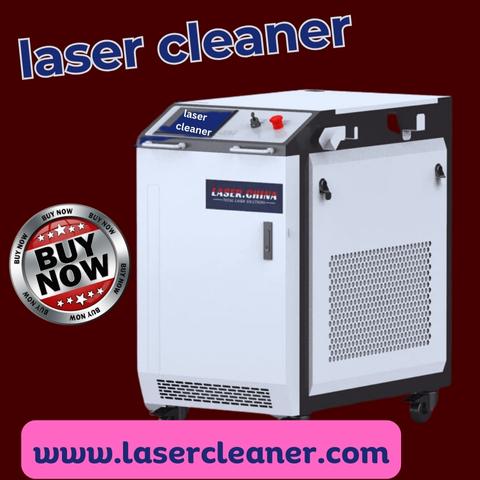
Industrial cleaning plays an important role in maintaining the quality, appearance, and performance of metal components. Traditional cleaning methods often involve chemicals, abrasive materials, or manual labor. With advancements in laser technology, manufacturers now have access to more controlled and precise cleaning solutions. A laser cleaner is a modern machine designed to remove rust, paint, oil, oxidation, and other unwanted contaminants from different surfaces using concentrated laser energy.
This technology is becoming increasingly popular in manufacturing facilities, automotive workshops, metal fabrication units, and industrial maintenance operations.
What Is a Laser Cleaning Machine?
A laser cleaning machine uses focused laser beams to remove unwanted materials from a surface without relying on conventional chemical treatments or abrasive blasting. The laser energy interacts with contaminants, causing them to separate from the underlying material.
Depending on the machine's configuration, operators can adjust parameters such as laser power, scanning speed, frequency, and cleaning width to match different applications. These adjustments help achieve consistent cleaning results across various materials and surface conditions.
Industrial users can choose between different laser power levels depending on their production requirements. Portable systems are suitable for maintenance work and smaller components, while high-power industrial equipment can handle larger cleaning tasks.
Common Applications of Laser Cleaning Technology
Laser cleaning technology is used across several industries because different production processes require clean and properly prepared surfaces.
1. Rust Removal from Metal
Rust develops when metal surfaces react with moisture and oxygen. It can affect the appearance and condition of metal components. Laser cleaning systems can remove rust from steel structures, pipes, automotive parts, machinery, and industrial equipment.
2. Paint and Coating Removal
Removing old paint and protective coatings is often necessary before repainting, welding, or repairing metal components. Laser technology allows operators to target unwanted coating layers while controlling the cleaning process according to the material and application.
3. Oil and Grease Cleaning
Manufacturing equipment frequently collects oil, grease, and other industrial residues. These contaminants may interfere with maintenance and production processes. Laser-based cleaning can help prepare components for further processing.
4. Mold Cleaning
Molds used in plastic manufacturing, rubber production, and other industrial applications require regular maintenance. Laser cleaning can remove accumulated residues from mold surfaces and help maintain their working condition.
5. Surface Preparation Before Welding
Clean surfaces are important for many welding operations. Contaminants such as rust, paint, and oxidation can interfere with the preparation process. Laser cleaning can be used to prepare metal components before welding and fabrication.
Choosing the Right Equipment
Selecting suitable equipment requires an understanding of the cleaning application. Buyers should consider the material, type of contamination, surface condition, required cleaning speed, and production environment.
Laser power is another important consideration. Lower-power systems may be appropriate for light cleaning and delicate applications, whereas higher-power machines are generally considered for demanding industrial operations.
The choice between handheld and automated equipment also depends on the working environment. Handheld systems provide flexibility when cleaning different components, while automated systems can be integrated into production lines for repetitive tasks.
Before purchasing a laser cleaner, businesses should also review the manufacturer's technical specifications, available support, operating requirements, and safety documentation.
Laser Cleaning and Industrial Manufacturing
Modern manufacturing requires reliable surface preparation and maintenance processes. Laser cleaning technology is becoming part of this development because it provides a controlled approach to removing unwanted surface materials.
Industries involved in automotive manufacturing, shipbuilding, aerospace, construction, and metal fabrication can incorporate laser systems into different production stages.
However, proper machine configuration and operator training remain essential. Different materials respond differently to laser energy, so testing the cleaning parameters before full-scale operation is important.
Laser Safety and Maintenance
Operating laser equipment requires appropriate safety precautions. Industrial laser systems may present serious eye and skin hazards if used incorrectly. Operators should follow the manufacturer's instructions and applicable laser safety standards.
Protective eyewear suitable for the specific laser wavelength, controlled working areas, warning signs, and appropriate protective equipment should be used. Proper ventilation and fume extraction may also be necessary when removing coatings, paint, or other contaminants.
Regular inspection of optical components, cleaning heads, cooling systems, and electrical connections helps maintain equipment performance. Following a suitable maintenance schedule can also reduce unexpected interruptions during production.
Final Thoughts
Laser technology is changing how industries approach surface cleaning, rust removal, coating removal, and equipment maintenance. Its applications extend across manufacturing, automotive, construction, and metal fabrication. Choosing the right laser cleaner requires careful consideration of the material, contamination type, cleaning requirements, and working environment. With suitable equipment, trained operators, and proper safety procedures, businesses can integrate laser cleaning into their industrial processes and improve their surface preparation operations.


