
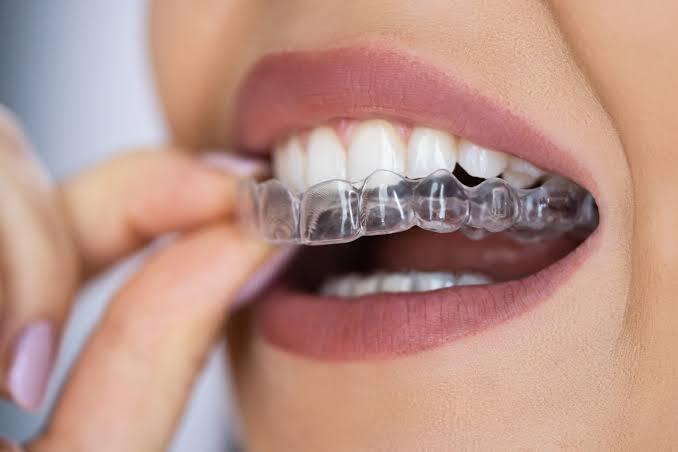

Invisalign has become a popular orthodontic treatment for people who want to straighten their teeth without wearing traditional metal braces. These clear, removable aligners gradually move teeth into their desired positions using controlled pressure. Although Invisalign offers several advantages, including convenience and a discreet appearance, many people wonder whether wearing the aligners causes pain or discomfort.
The short answer is that Invisalign can cause mild, temporary discomfort, particularly when starting treatment or switching to a new set of aligners. However, this sensation is generally manageable and often indicates that the aligners are applying pressure to move the teeth. Understanding what causes this discomfort, how long it lasts, and what can help relieve it can make the treatment experience more comfortable.
Why Do Invisalign Aligners Cause Discomfort?
Invisalign aligners work by applying gentle, controlled pressure to specific teeth. Each aligner is designed to make small adjustments to tooth positioning before the next set continues the process.
When a new aligner is introduced, it may feel tight because it is designed to guide teeth into slightly different positions. This pressure stimulates changes in the surrounding periodontal ligament and supporting bone, allowing teeth to move gradually.
The discomfort associated with Invisalign is usually caused by:
-
Tooth movement: Pressure applied to teeth can create temporary soreness as they begin shifting.
-
New aligners: Switching to another set can produce a sensation of tightness or pressure.
-
Gum irritation: The edges of an aligner may occasionally rub against the gums or inside of the cheeks.
-
Bite adjustments: As teeth move, the way upper and lower teeth meet may temporarily feel different.
These sensations are generally part of the adjustment process rather than an indication that something is wrong.
How Much Pain Should You Expect from Invisalign?
Most Invisalign patients experience mild pressure or tenderness rather than severe pain. The sensation can vary depending on individual sensitivity, treatment complexity, and the amount of tooth movement required.
Some people describe the feeling as tightness around their teeth, while others experience slight soreness when biting or chewing. The discomfort is often more noticeable during the first few days after beginning treatment or changing aligners.
Unlike traditional braces, Invisalign does not involve metal brackets or wires that can frequently irritate the cheeks and lips. Its smooth plastic design helps reduce certain types of soft-tissue irritation.
However, every patient responds differently. People with sensitive teeth or more significant orthodontic adjustments may experience greater temporary discomfort.
How Long Does Invisalign Discomfort Last?
Invisalign discomfort is generally temporary. Many patients notice the most pressure during the first 24 to 48 hours after receiving a new set of aligners.
The sensation usually becomes less noticeable as the teeth adjust to the new positioning. For many individuals, any significant soreness improves within a few days.
A typical adjustment experience may look like this:
First 24 Hours: New aligners may feel tight, and teeth can become slightly sensitive as pressure is introduced.
Second and Third Days: The initial tenderness often begins to decrease as the mouth adapts to the aligners.
Following Days: Most patients become more comfortable wearing the current aligner set, although slight pressure may remain.
It is important to remember that discomfort varies between individuals. Persistent, worsening, or severe pain should be discussed with an orthodontic professional rather than automatically considered a normal part of treatment.
Do New Invisalign Aligners Hurt More Than Previous Ones?
New Invisalign aligners can sometimes cause more noticeable pressure than the previous set because each one is designed to continue the movement of specific teeth.
When patients switch to a new tray, the aligner may initially feel tighter around certain areas. This is expected because the teeth need to adjust to the new positioning.
However, not every new set will necessarily cause the same level of discomfort. Some aligners may produce very little noticeable pressure, while others may create more tenderness depending on the planned tooth movements.
Following the recommended replacement schedule is essential. Patients should not switch aligners earlier than instructed simply because they feel comfortable, as the teeth may need additional time to complete the movements planned for that stage.
Practical Ways to Reduce Invisalign Pain and Discomfort
Although some discomfort is normal, several simple habits can help make Invisalign treatment more manageable.
1. Wear Aligners According to Your Orthodontist's Instructions
Consistency is important throughout Invisalign treatment. Removing aligners for longer than recommended may interrupt the treatment process and make reinsertion uncomfortable.
Patients should follow their prescribed daily wear schedule and avoid changing aligners without professional guidance.
2. Choose Softer Foods When Teeth Feel Sensitive
Chewing can feel uncomfortable during the first few days after switching to a new aligner. Eating softer foods can reduce pressure on sensitive teeth.
Suitable options include:
-
Mashed potatoes
-
Yogurt
-
Scrambled eggs
-
Smooth soups
-
Soft fruits
-
Oatmeal
As sensitivity improves, patients can gradually return to their usual diet.
3. Use Cold Water for Temporary Relief
Drinking cool water may help soothe mild oral discomfort. It can also provide a refreshing sensation when teeth feel sensitive.
Patients should avoid drinking hot beverages while wearing aligners because excessive heat can affect the shape of the plastic material.
4. Maintain Proper Oral Hygiene
Keeping teeth and aligners clean helps support overall oral health during treatment. Patients should brush and floss regularly and clean their aligners according to professional instructions.
Good oral hygiene also reduces the risk of gum inflammation and other dental problems that could contribute to discomfort.
5. Use Pain Relief Medication Only When Appropriate
If discomfort becomes difficult to manage, patients can ask their dental professional whether an appropriate over-the-counter pain reliever is suitable for them.
Medication choices should account for individual medical circumstances, existing medications, and potential side effects. Patients should follow professional advice and product instructions rather than self-medicating unnecessarily.
Can Invisalign Cause Gum or Cheek Irritation?
Although Invisalign aligners are made from smooth plastic, some patients experience minor irritation around their gums, tongue, or inner cheeks.
This can happen when an aligner edge presses against sensitive oral tissues or when a tray does not fit properly.
Minor irritation may improve as the mouth adjusts. However, sharp edges, persistent rubbing, or painful sores should not be ignored.
Patients should avoid cutting or significantly modifying their aligners themselves. An orthodontic professional can assess the fit and make appropriate adjustments when necessary.
When Should You Be Concerned About Invisalign Pain?
Mild pressure and temporary tenderness are common during Invisalign treatment. However, severe or persistent discomfort may indicate an issue that requires professional attention.
Patients should contact their orthodontist if they experience:
-
Severe or worsening tooth pain.
-
Significant gum swelling or bleeding.
-
Persistent sores inside the mouth.
-
An aligner that does not fit properly.
-
Cracks or damage to the aligner.
-
Pain that does not improve after several days.
An orthodontic assessment can help determine whether the discomfort is related to normal tooth movement, an aligner-fitting issue, or another dental concern.
Is Invisalign More Comfortable Than Traditional Braces?
Invisalign is often considered more comfortable than traditional braces because it uses smooth, removable plastic trays instead of metal brackets and wires.
Traditional braces can sometimes cause irritation when brackets or wires rub against the cheeks and lips. Invisalign generally reduces this particular problem because its aligners are custom-made to fit over the teeth.
However, Invisalign still applies pressure to move teeth, meaning some soreness is expected with either treatment.
The overall experience depends on individual dental needs, treatment complexity, and personal sensitivity. An orthodontic consultation can help determine which option is more suitable.
Conclusion
Invisalign aligners can cause mild pain, pressure, and temporary discomfort, particularly during the first few days of treatment or when switching to a new set. However, these sensations are generally manageable and tend to improve as the teeth adjust to their new positions. Maintaining proper oral hygiene, following the recommended wearing schedule, and attending regular dental appointments can help support a smoother treatment experience.
For individuals considering orthodontic treatment, consulting an experienced professional is an important first step. Dr Hasan Odeh provides dental care and orthodontic guidance to help patients understand their treatment options and achieve healthier, more aligned smiles. If you are exploring Invisalign Clear Aligners in Dubai, a professional assessment can help determine whether this treatment is appropriate for your dental condition, alignment goals, and individual needs.


